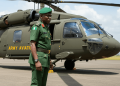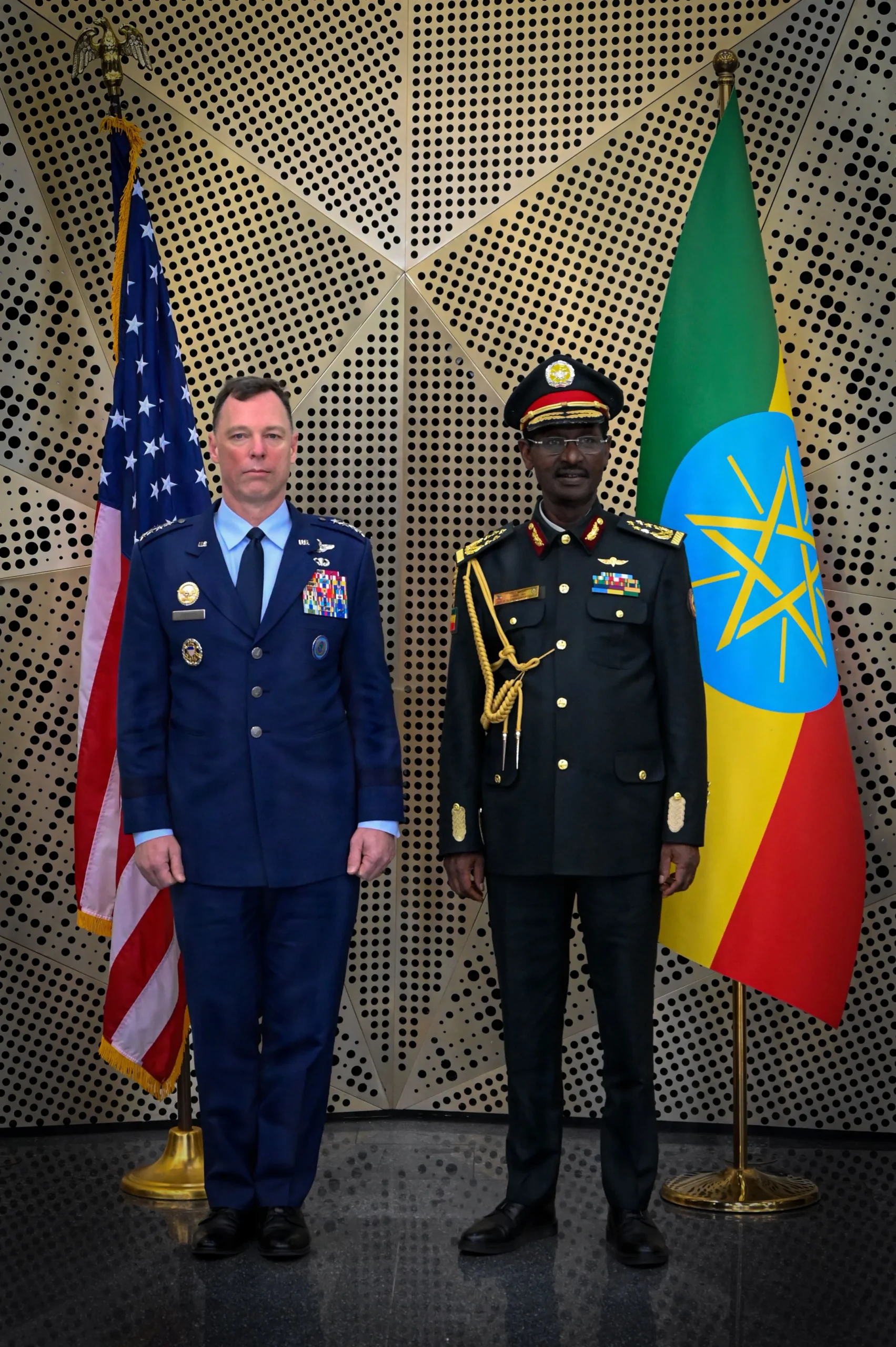
Field Marshal Birhanu Jula, Chief of General Staff of the Ethiopian National Defence Force (ENDF), told a press conference on Saturday 14 November 2026 that Eritrea led the latest offensive by the Tigray People’s Liberation Front (TPLF) against federal troops and that Egypt provided the logistics and military supplies behind it. “The offensive was led by Eritrea, with logistical support and military supplies provided by Egypt,” he said, according to MENAFN. “However, our forces managed to repel the offensive.”
Birhanu described the attack as a fourth wave of assaults on federal positions and said its aim went beyond Tigray. “The ultimate objective was to unite these forces to destroy Ethiopia and overthrow its government,” he said, naming a coalition of the TPLF, the Amhara-based Fano militia, the Oromo Liberation Front, Sudan and Egypt, with Eritrea at its centre. He also accused Asmara of trying to turn Ethiopia’s northern regions into the battlefield so that Eritrean territory would be spared. He gave no evidence for the claims at the briefing, and they could not be independently verified. Neither Eritrea nor Egypt responded immediately; both have rejected earlier Ethiopian accusations of interference.
From Pretoria to a New War
Fighting between the TPLF and federal forces resumed on 23 September 2026, almost four years after the Pretoria agreement of November 2022 ended the previous war. The rebels pushed into the neighbouring Afar region, but federal troops drove the offensive back and took the Tigrayan capital, Mekelle. On 28 September Birhanu had already accused Eritrea, Sudan and Egypt of backing the rebels, describing Eritrea as the go-between linking outside powers with armed groups inside Ethiopia, Al Jazeera reported. Egyptian Foreign Ministry spokesperson Nader Zaki replied that Cairo’s policy rests on “full respect for the sovereignty, unity and territorial integrity of states, and noninterference in the internal affairs of other countries.”
Relations with Asmara have since deteriorated further. Ethiopia expelled ten Eritrean diplomats and closed its embassy in Eritrea, the Associated Press reported, while Prime Minister Abiy Ahmed has repeated that Ethiopia’s loss of sea access “was not voluntary.” Eritrea fears that Addis Ababa wants to seize its Red Sea port of Assab, and risk analysts such as Edward Bach of Verisk Maplecroft have said the northward advance of Ethiopian troops and drone strikes in northern Tigray “suggest that Ethiopian forces are preparing conditions for a conflict with Eritrea.”
Why Cairo Is in the Frame
Egypt’s quarrel with Ethiopia centres on the Grand Ethiopian Renaissance Dam (GERD) on the Blue Nile, which Cairo regards as a threat to its water supply and which Ethiopia inaugurated in September 2025 without a binding agreement with downstream states. Egypt has since deepened military ties with Eritrea and Somalia and backs the Sudanese army, which in turn accuses Ethiopia of letting the Rapid Support Forces (RSF) launch drones from its territory. The accusations now run in every direction: Addis Ababa says Cairo, Asmara and Khartoum are arming its rebels, while Khartoum says Addis Ababa is arming its own.
Birhanu did not say what supplies Egypt had sent or how they reached Tigray, which has no border with Egypt and is surrounded by Ethiopian, Eritrean and Sudanese territory. Any route would most likely run through Eritrea or Sudan, both of which have closer ties with Cairo than with Addis Ababa.
An Army Built for a Bigger War
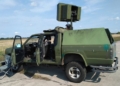
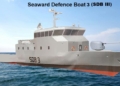
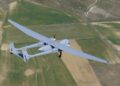
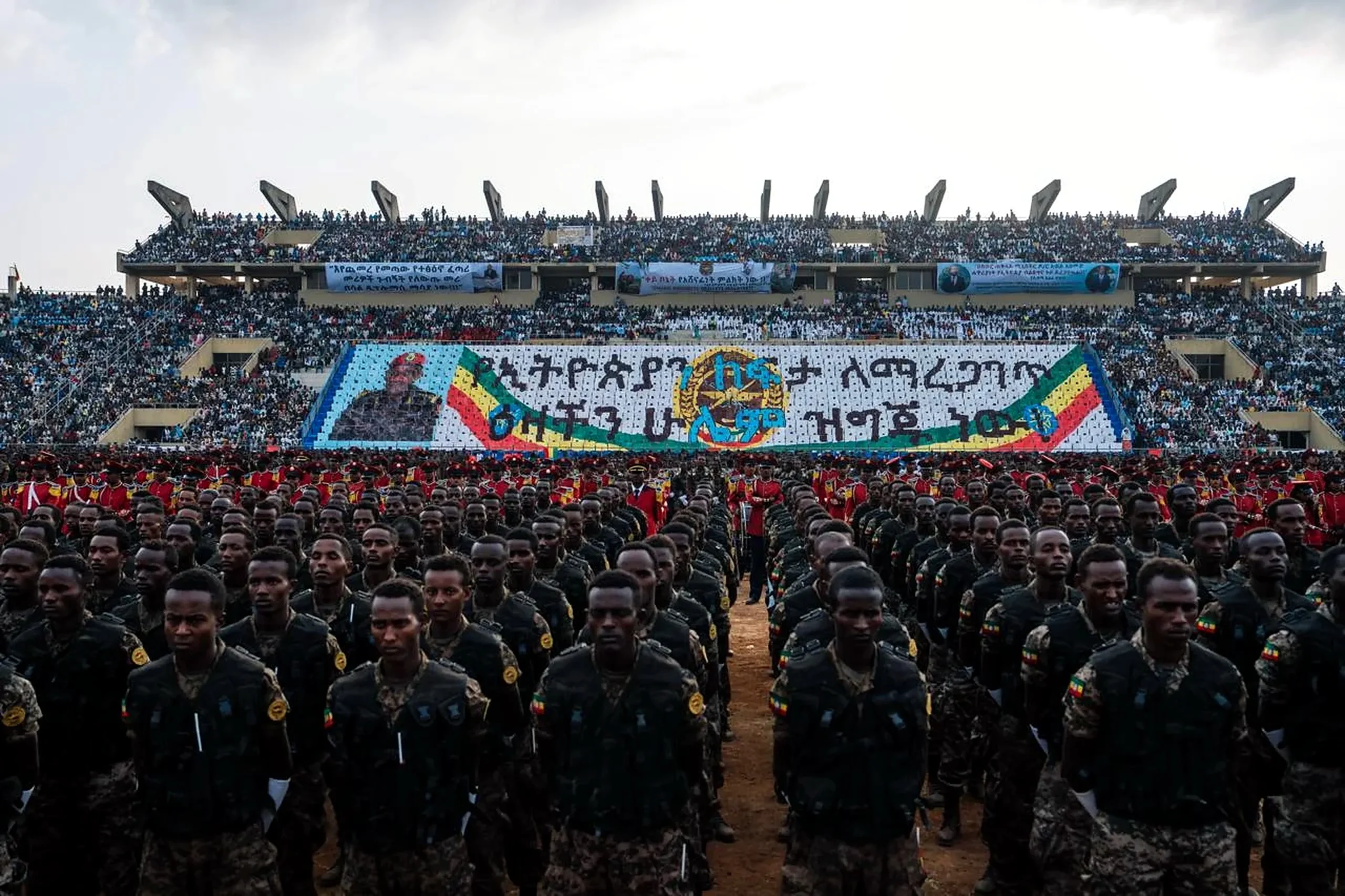
The ENDF has been expanding fast. Military Africa has reported that the army has grown to about 500,000 troops through forced conscription, that the air force has received its first twelve Su-35 fighters with S-400 air defence systems expected to follow, and that the United States has lifted its ITAR arms embargo. Armed drones have carried much of the fighting inside the country, at a heavy civilian cost: three strikes between late October and early November killed at least 62 civilians, according to witness and media accounts.
The Eritrean Frontier
By naming Eritrea as the leader of the offensive rather than a supporter, Ethiopia’s most senior soldier has moved the government’s language a step closer to treating Asmara as a direct party to the war. Combined with the expulsion of diplomats, the advance of federal troops towards the border and Abiy’s statements on sea access, the claim raises the risk that the fighting in Tigray widens into an interstate conflict. Eritrea fought alongside federal forces against the TPLF in 2020 to 2022; a war in which the two former allies face each other would draw in Egypt and Sudan and threaten shipping and stability along the Red Sea coast.