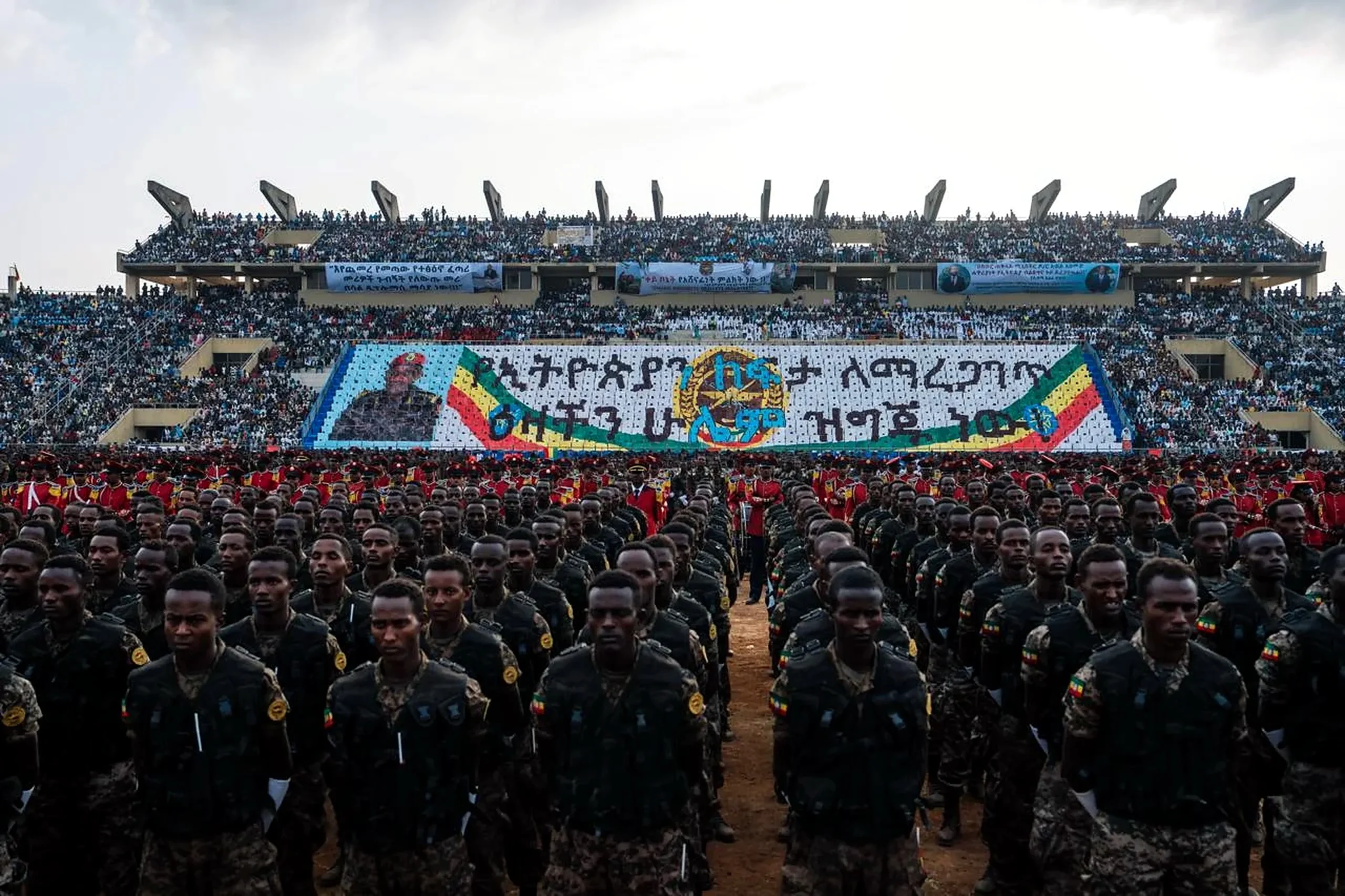
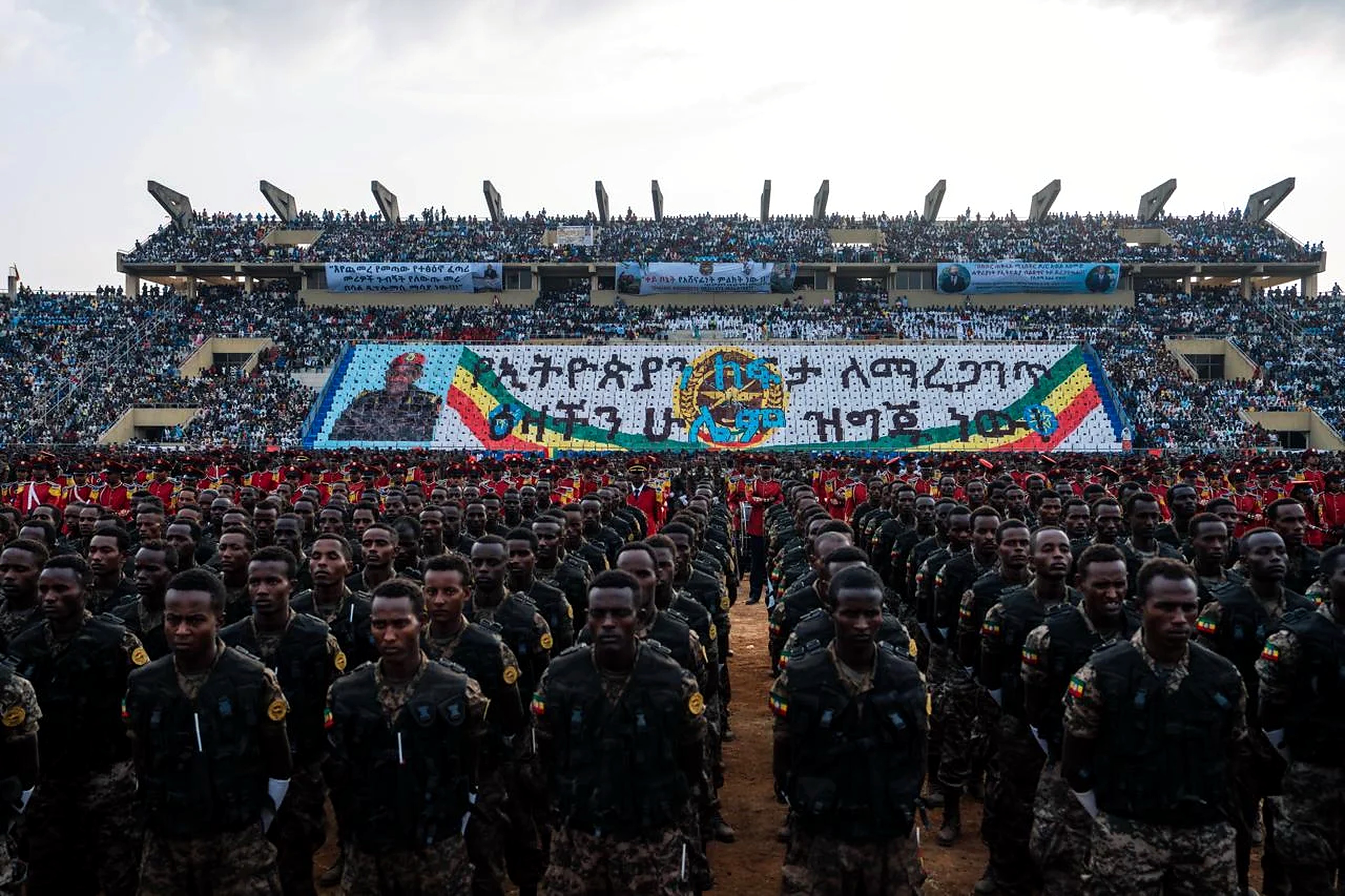
Ethiopia’s armed forces have grown to an estimated half a million soldiers, one of the largest armies in Africa, with young men taken off the streets of Addis Ababa and other cities in night-time raids and forced into service, The Globe and Mail reported on 12 November 2026. The expansion under Prime Minister Abiy Ahmed, an army veteran, comes alongside a fast-growing arsenal of drones, fighter jets, artillery and armoured vehicles, as Ethiopia fights insurgencies at home and prepares for possible conflicts with Eritrea, Sudan and Egypt.
The size of the force is difficult to confirm because of government secrecy. Cameron Hudson, a United States-based analyst who specialises in the Horn of Africa, estimates that Ethiopia has more than doubled its army since the end of the last Tigray war in 2022. “They have significantly expanded both their hardware and personnel,” Kjetil Tronvoll, a Norwegian professor of peace and conflict studies who specialises in Ethiopia and Eritrea, told the newspaper. “The heavy military equipment has been flowing in, in huge shipments.”
Night Raids in Addis Ababa
Families in the capital describe men in civilian clothes pushing young men onto unmarked trucks. One mother told The Globe that her only son, aged 19, vanished in March and was found more than a month later to have been taken in a late-night raid with dozens of other young men from her neighbourhood. After training, he was sent to a border town in northern Ethiopia where the army is fighting Tigrayan rebels. Another mother said two of her sons were seized in September from a bar where they were playing pool and watching football, and called weeks later from an unknown number as they headed north.
The practice is not confined to Addis Ababa. In December 2024 the Ethiopian Human Rights Commission (EHRC) reported forced conscription, arbitrary detention and extortion in Adama, Bishoftu, Jimma and Shashamene in Oromia, including detainees as young as 11; in one detention centre almost half of 32 conscripts were aged 15 or 16. In August 2026, Addis Standard reported fresh cases in East Hararghe and East Bale, where families said money was demanded for the release of relatives taken “for the army”. Ethiopia’s Defence Forces Proclamation No. 1100/2019 allows the ministry to recruit only people “fit and willing for military services” under an employment contract, and the constitution prohibits forced labour. The Oromia regional government has dismissed earlier allegations as “unfounded propaganda”.
Rebel forces use the same methods. In July, Human Rights Watch said the Tigray Defense Forces were abducting and forcibly recruiting civilians, including children as young as 15, creating a “climate of fear” in the region.
Drones, Fighters and a Navy for a Landlocked State
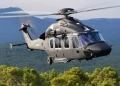
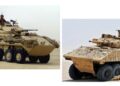
The manpower drive is matched by a rapid build-up of equipment from China, Russia, Türkiye, the United Arab Emirates and other suppliers. “We have seen videos of newly purchased Chinese and other heavy materiel, including artillery and armoured vehicles,” Tronvoll said. “Ethiopia has established two drone assembly factories. And the air force has been newly equipped with fourth-generation fighter jets.”
Military Africa has tracked the build-up closely. Ethiopia received its first twelve Russian Su-35 fighters a year early, with four S-400 Triumf air defence batteries to follow, a deal that shows Russia’s widening military reach in Africa. “By equipping itself with these fighter jets, Ethiopia has taken the lead among sub-Saharan African nations,” Abiy said. Addis Ababa has also pledged deeper defence industry cooperation with China and opened a UAE-backed artificial intelligence (AI) defence research laboratory, while the United States has removed Ethiopia from its International Traffic in Arms Regulations (ITAR) embargo list.
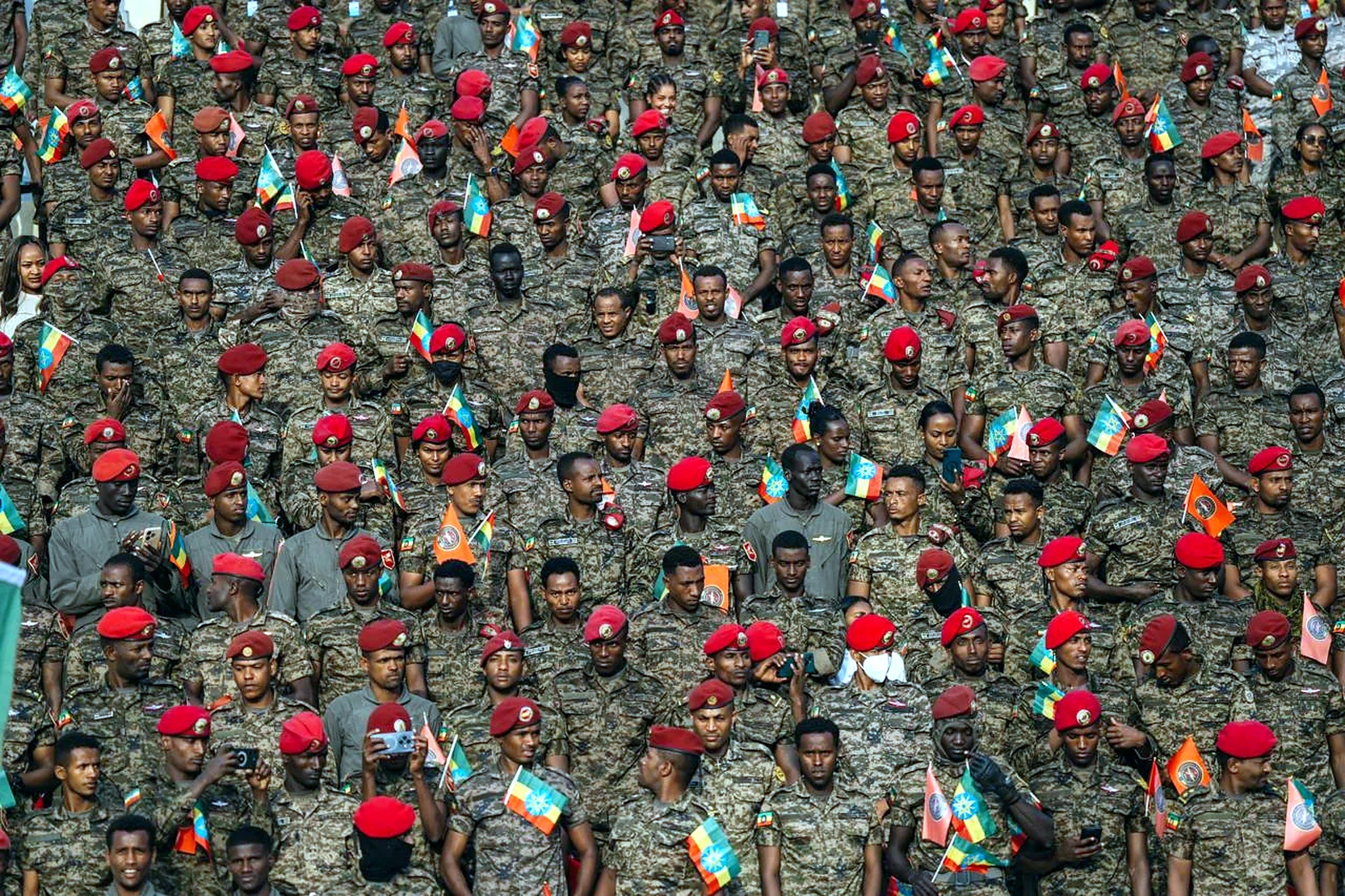
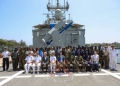
Landlocked Ethiopia is even building a navy, sending officers abroad for training and setting up a naval headquarters in Addis Ababa, a training centre in Bishoftu and an academy in Bahir Dar. The militarisation reaches into government itself: Abiy recently sent many cabinet ministers and senior officials to a military training programme and posted photographs of them jogging and doing push-ups at an army base. Officially, the Ethiopian National Defence Force (ENDF) describes the transformation as reform. “The defense force has been built with quantity, quality and technology,” the Chief of General Staff, Field Marshal Birhanu Jula, said in February, according to the Ethiopian News Agency.
Fronts at Home and Abroad
The army is fighting insurgencies in Tigray, Amhara and Oromia. Thousands of soldiers moved into Tigray in September, and drone strikes in the north have killed hundreds of civilians and rebels, according to The Globe. Abiy has vowed to secure access to the Red Sea, which sets Ethiopia against Eritrea, which controls the nearest ports. Egypt objects fiercely to the Grand Ethiopian Renaissance Dam (GERD) on the Nile, and Ethiopia has reportedly provided drone bases for Sudan’s paramilitary Rapid Support Forces (RSF), an allegation Addis Ababa denies.
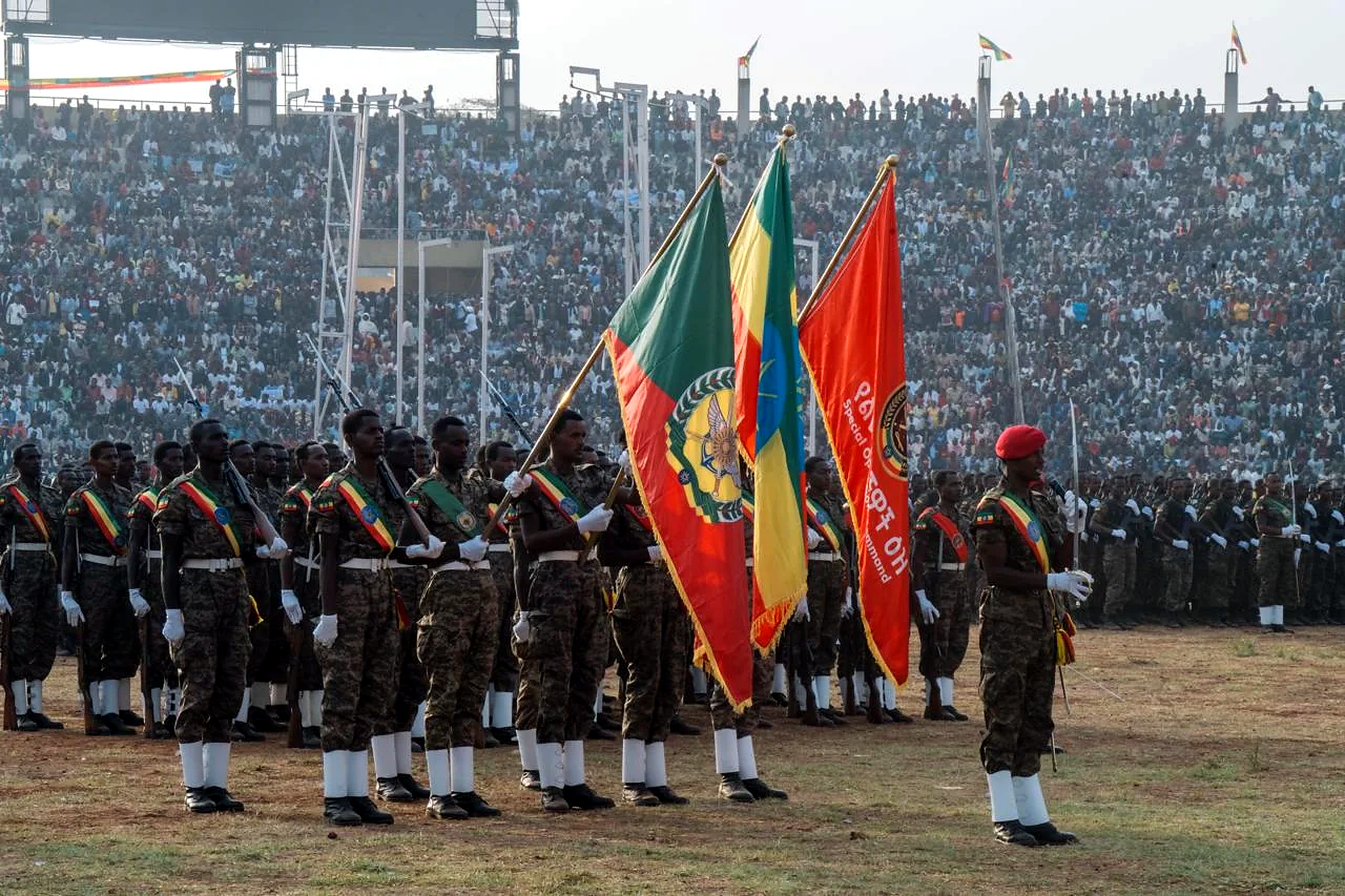
The build-up is drawing scrutiny in Washington. This week five Democratic senators, led by Jeanne Shaheen, ranking member of the Senate Foreign Relations Committee, called for a halt to US arms sales to Ethiopia, warning of a possible “multi-front conflict” that could destabilise the Horn of Africa and Red Sea shipping lanes. They recalled that an estimated 600,000 people died in the 2020 to 2022 war in northern Ethiopia.
Mass Without Training on the Eritrean Frontier
Numbers alone do not make an effective army. Conscripts seized in raids and rushed through short training are more likely to desert, break under fire or abuse civilians, as the Tigray war showed on both sides. Families interviewed by The Globe fear that sons with little preparation will not survive if fighting in the north escalates into war with Eritrea. Ethiopia’s new drones, Su-35s and air defences give it a technological edge over its neighbours, but the force that would carry any ground campaign is being built through methods its own constitution forbids. How Addis Ababa balances mass, training and legitimacy will shape the risk of a wider war in the Horn of Africa.