
A wave of drones struck Sudan’s capital in the early hours of Sunday 22 November 2026, killing four people in and around Khartoum, destroying homes and damaging a United Nations (UN) building with staff inside, as air defences tried to intercept the attack. Explosions were heard around Khartoum International Airport and other parts of the city from about 02:00 to 04:30 local time, witnesses told AFP. A Sudanese army source said the drones had been launched from Bahir Dar airport in Ethiopia’s Amhara region, a claim Addis Ababa denies and which has not been independently verified.
“The drone attack at dawn today is a continuation of Ethiopian aggression against Sudanese territory, as the drones were launched from Ethiopia’s Bahir Dar airport,” the source told AFP. The attack is blamed on the paramilitary Rapid Support Forces (RSF), which have fought the Sudanese Armed Forces (SAF) since April 2023.
Airport and Omdurman in the Crosshairs
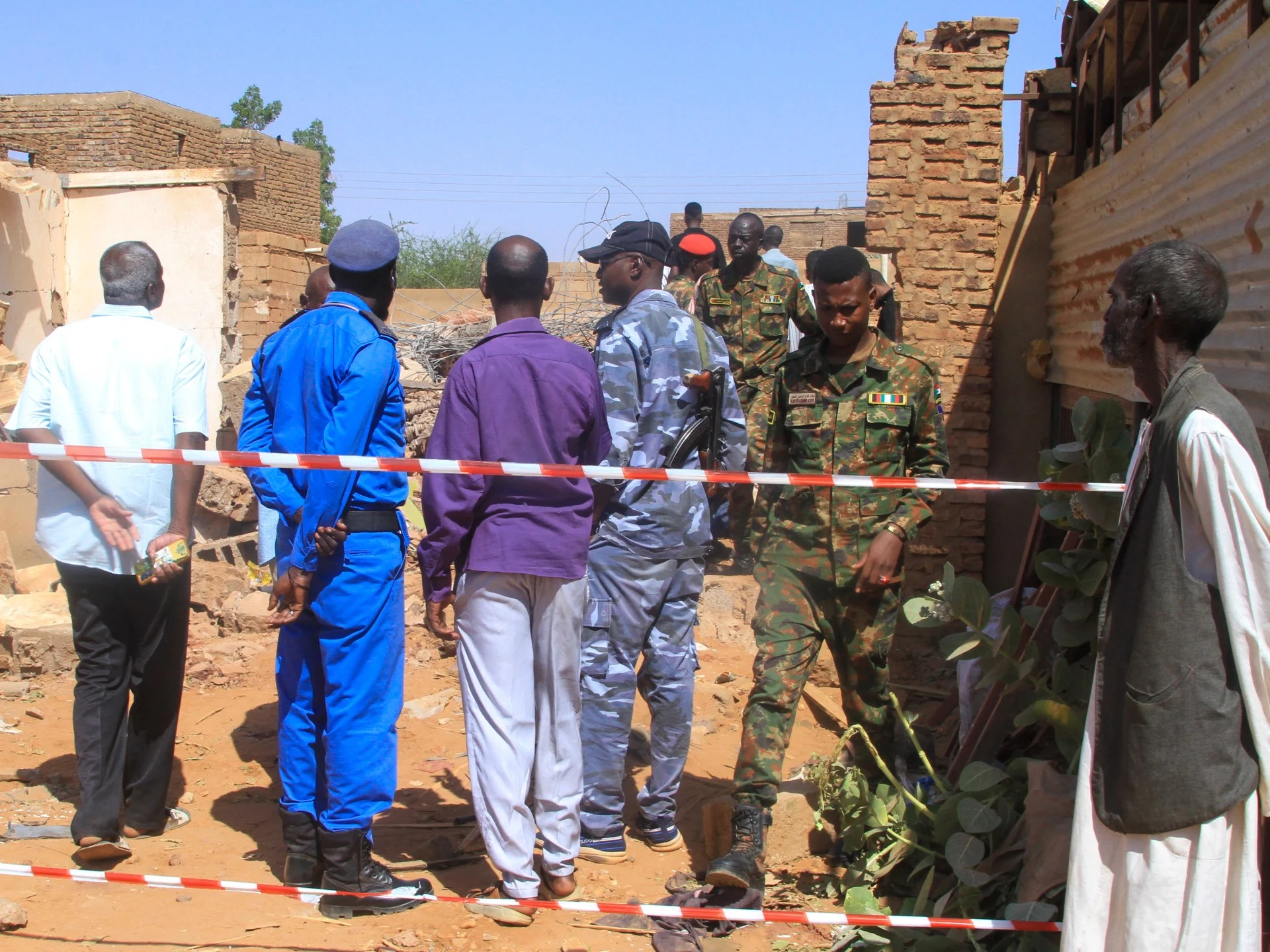
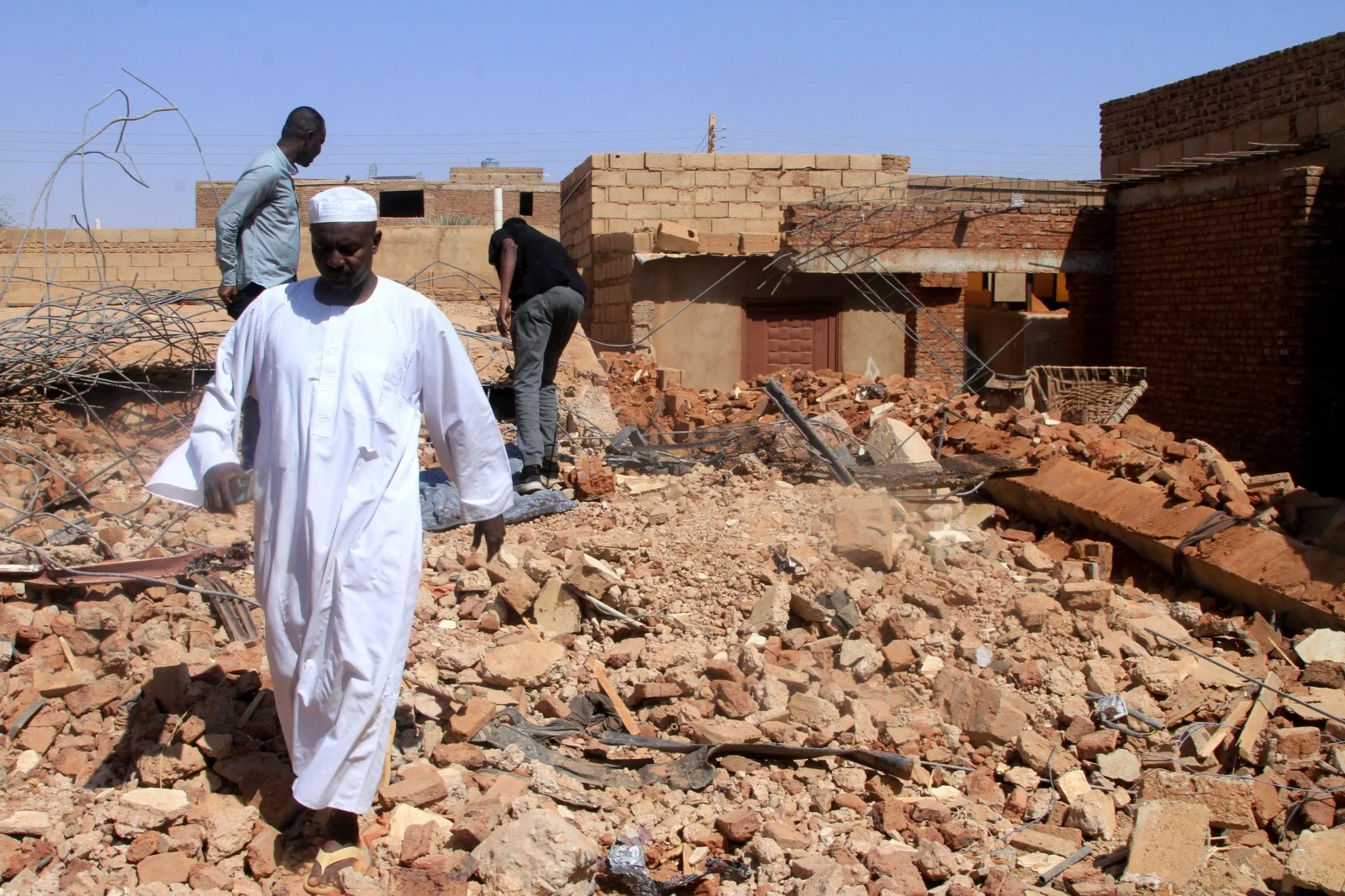
The drones appeared to be aimed at government buildings and the airport, Al Jazeera reported, while witnesses quoted by Addis Standard said air defences intercepted a swarm targeting Khartoum International Airport and a military facility in Omdurman. Several drones still got through to residential districts. Al Jazeera’s AlMigdad Alruhaid reported that three people were killed and nine wounded when a drone hit a home in northern Omdurman, and a child was killed in a separate strike south of the capital. In Jebel Aulia, about 45 km south of Khartoum, a drone hit the home of a muezzin, and residents dug through the rubble for trapped relatives.
UN Resident and Humanitarian Coordinator Denise Brown said one of the organisation’s buildings had been damaged while staff were inside. The UN Office for the Coordination of Humanitarian Affairs (OCHA) said the strike “occurred in a civilian neighbourhood” and called the danger to its personnel “unacceptable”. Massad Boulos, the United States senior adviser for Arab and African affairs, also condemned the attack. “Drone attacks, reportedly launched by the RSF, in Khartoum today resulted in major damage to a civilian neighborhood and to UN premises, yet again compromising the safety of civilians and humanitarian personnel,” he said, according to Addis Standard.
Khartoum’s Case Against Bahir Dar
Bahir Dar is not a new name in Sudan’s accusations. On 1 November, Khartoum lodged complaints with the UN Security Council and the African Union Peace and Security Council alleging that 187 one-way attack drones had been launched from Ethiopian territory in 70 attacks between February and October 2026. A Sovereignty Council account named three launch sites: Asosa Airport in Benishangul-Gumuz, the Kurmuk-Gizen border area, and the Bahir Dar airbase in Amhara. On 13 November the SAF said it had shot down a “hostile strategic drone” that crossed from Ethiopia into Blue Nile state. None of the figures has been independently verified, and Ethiopia rejects the claims, accusing Khartoum in turn of backing rebels linked to the Tigray People’s Liberation Front (TPLF).
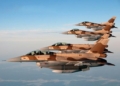
The accusation lands as Ethiopia rebuilds its air power and fights its own war in the north. Addis Ababa took delivery of its first Russian Su-35 fighters in October, Washington has removed Ethiopia from the ITAR arms embargo list, and Ethiopia’s army chief has accused Eritrea and Egypt of backing the latest TPLF offensive. Ethiopian drones have meanwhile killed dozens of civilians in Amhara, Tigray and Oromia.
A War Fought from the Air
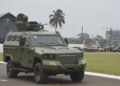
Both sides now rely heavily on drones. The UN says drones killed more than 1,100 people in Sudan in the first half of 2026, and the UN Children’s Fund (UNICEF) says drone attacks caused about two-thirds of the children killed or injured between January and September. The RSF has used long-range strike drones against power stations, airports and army-held cities, and has fielded Chinese-made FH-95 aircraft, while the SAF has answered with Turkish equipment, using a Bayraktar AKINCI to bring down an RSF CH-95 and deploying HİSAR-A surface-to-air missiles in the capital. The same day as the Khartoum strikes, Sudan’s government accused RSF fighters of executing captured soldiers in Blue Nile state, near the Ethiopian border, a claim that has not been independently verified.
Evidence on the Blue Nile Frontier
Sudan has now tied a strike on its capital directly to an Ethiopian airfield, but has published no wreckage analysis, flight-path data or other evidence to support the claim. Whether the Security Council or the African Union acts on Khartoum’s complaints will turn on that proof. Until it appears, each new raid on Khartoum adds to the risk that a civil war fought largely by drones draws Sudan and Ethiopia, two of the Horn of Africa’s largest armies, into direct confrontation along the Blue Nile.