
Three drone strikes in Ethiopia’s Amhara, Tigray and Oromia regions between 29 October and 6 November 2026 killed at least 62 civilians, according to witness and media accounts compiled by Addis Insight, as federal forces press a renewed war in the north with armed drones as their main striking arm. The Ethiopian National Defence Force (ENDF) has not responded to journalists’ requests for comment on the incidents.
None of the figures has been independently verified, and casualty counts differ between sources. Military Africa has used the lowest figures reported for each strike.
Three Strikes in Nine Days
The first hit a camp for internally displaced people at Jari Number 2, near Hayq in Amhara, about 400 kilometres north-east of Addis Ababa, on 29 October. A witness named Yasin told AFP: “We have buried 14 people at the IDP centre. Two more died while receiving medical treatment,” adding that children and pregnant women were among the dead. BBC Amharic later reported 18 deaths and more than 30 wounded.
The next evening a drone struck a vehicle carrying sorghum in the centre of Rama, in Tigray near the Eritrean border. “This morning, people were collecting the scattered grain when another strike hit them,” a resident told AFP. Hospital sources confirmed 11 deaths, while the Armed Conflict Location and Event Data Project (ACLED) recorded 12 civilians killed in a strike “believed to have been carried out by the ENDF.”
The deadliest came on 6 November at Kiremu, in the East Wollega zone of western Oromia, where at least 36 people were reported killed and at least 16 wounded, according to witnesses who spoke to BBC Amharic and BBC Tigrinya. The BBC said it could not verify those accounts independently. An earlier strike on 22 September in Alamata, southern Tigray, killed 14 people and wounded 22, and on 4 October a strike on a displacement camp at Sheraro, in western Tigray, killed eight civilians including a child, an aid worker told AFP.
A War Fought From the Air
Fighting between the Tigray People’s Liberation Front (TPLF) and federal forces resumed on 23 September 2026, nearly four years after the Pretoria agreement ended the 2020 to 2022 war. Federal troops pushed back the TPLF offensive and took the Tigrayan capital, Mekelle, while the army continues separate campaigns against Fano militias in Amhara and the Oromo Liberation Army in Oromia. Addis Ababa accuses Eritrea of backing the TPLF, and it has since expelled ten Eritrean diplomats and closed its embassy in Asmara, AP reported.
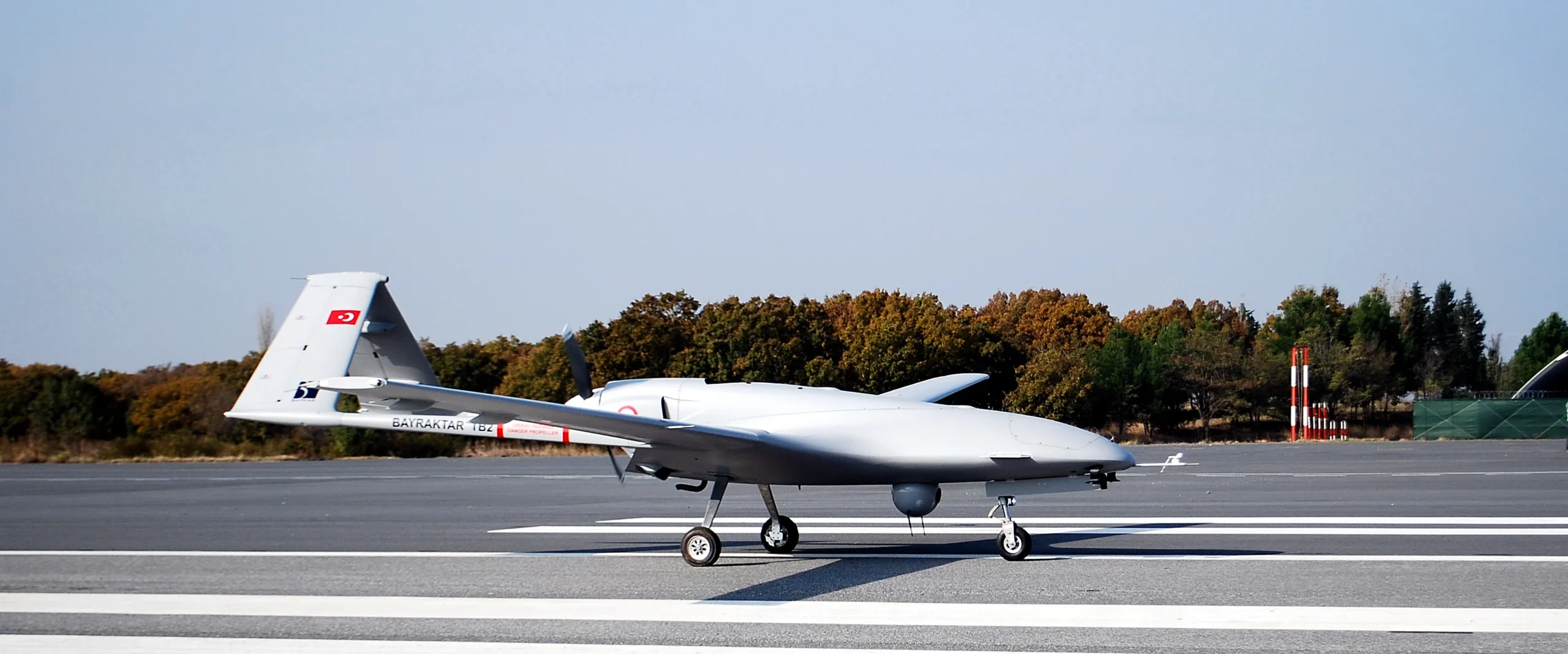
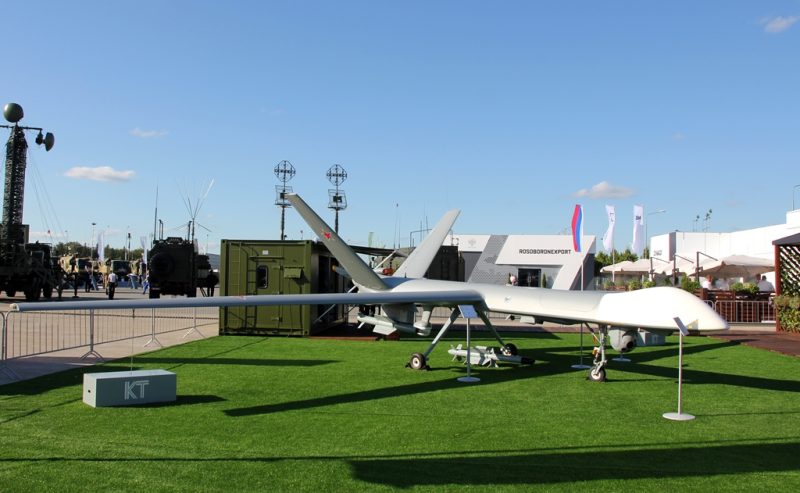
Drones have given the government a decisive edge in all three theatres. Ethiopia began buying armed drones during the last Tigray war, fielding the Turkish Bayraktar TB2, the Chinese Wing Loong and the Iranian Mohajer-6, and in January 2026 the Ethiopian Air Force showed Russian Orion-E drones for the first time at its 90th anniversary in Bishoftu. The air arm is also growing at the high end, having received its first twelve Su-35 fighters, while the army has swelled to about 500,000 troops through forced conscription. Washington’s removal of Ethiopia from the ITAR arms embargo list has opened another possible source of equipment.
No Drones Over the Capital
While its own drones fly over the regions, the government has closed the skies over Addis Ababa to everyone else. On 30 September the National Intelligence and Security Service (NISS) imposed an indefinite ban on flying drones in the capital and surrounding areas. Hours later, three blasts were heard in different parts of the city, including one near the defence headquarters, according to AP and diplomatic sources. The authorities did not say what caused them.
The order reflects a wider fear across Africa that armed groups are adopting cheap commercial drones. A report presented at the Tana Forum this month listed nine African states, Ethiopia’s neighbours Kenya and Sudan among them, where armed groups now use drones.
A Pattern Since Dedebit
The latest deaths follow a long record of civilian casualties from Ethiopian air strikes. Human Rights Watch documented a strike on a camp for displaced people at Dedebit, in Tigray, on 7 January 2022 that killed at least 57 people, and strikes in Amhara at Finote Selam in August 2023 and near Sasit in February 2024 killed dozens more. Monitors including ACLED, Action on Armed Violence and Insecurity Insight have tracked dozens of drone incidents since 2021, but access restrictions and communications blackouts in conflict zones make independent verification rare.
Accountability Over the Highlands
Ethiopia’s experience shows how quickly medium-altitude drones can change an internal war, and how hard it is to hold anyone to account once they do. Strikes on markets, grain trucks and displacement camps damage the government’s standing with the communities it needs to win over in Amhara, Tigray and Oromia, and they raise questions for suppliers in Türkiye, China, Iran and Russia about how their aircraft are used. With the TPLF pushed out of Mekelle and tension with Eritrea rising, the number of strikes is more likely to grow than fall in the weeks ahead.