
Terra Industries, the Abuja-based defence technology company, used the Africa International Defence Exhibition (AFRIDEX) 2026 at Eko Atlantic, Lagos, from 26 to 29 October to present itself as a would-be defence prime for Africa. Its director of marketing, Ikenna Nnaji, told Military Africa in an interview at the show that the firm builds air, ground and software systems that work as one network, and that it is preparing to open its second factory, in Ghana.
“Terra Industries is a multi-domain defence technology company, building defence capabilities for Africa and the Global South,” Nnaji said. “Right now, we manufacture in Nigeria, and we’re currently expanding to open up our next factory in Ghana.”
He framed the company’s work as part of a wider industrial push. “We feel like this is definitely a push to help Africa industrialise,” he said. Terra chose defence as its first pillar, but Nnaji described it as a dual-use business that also sells to commercial customers in energy, power, mining, oil and gas, and agriculture.
ArtemisOS at the Centre
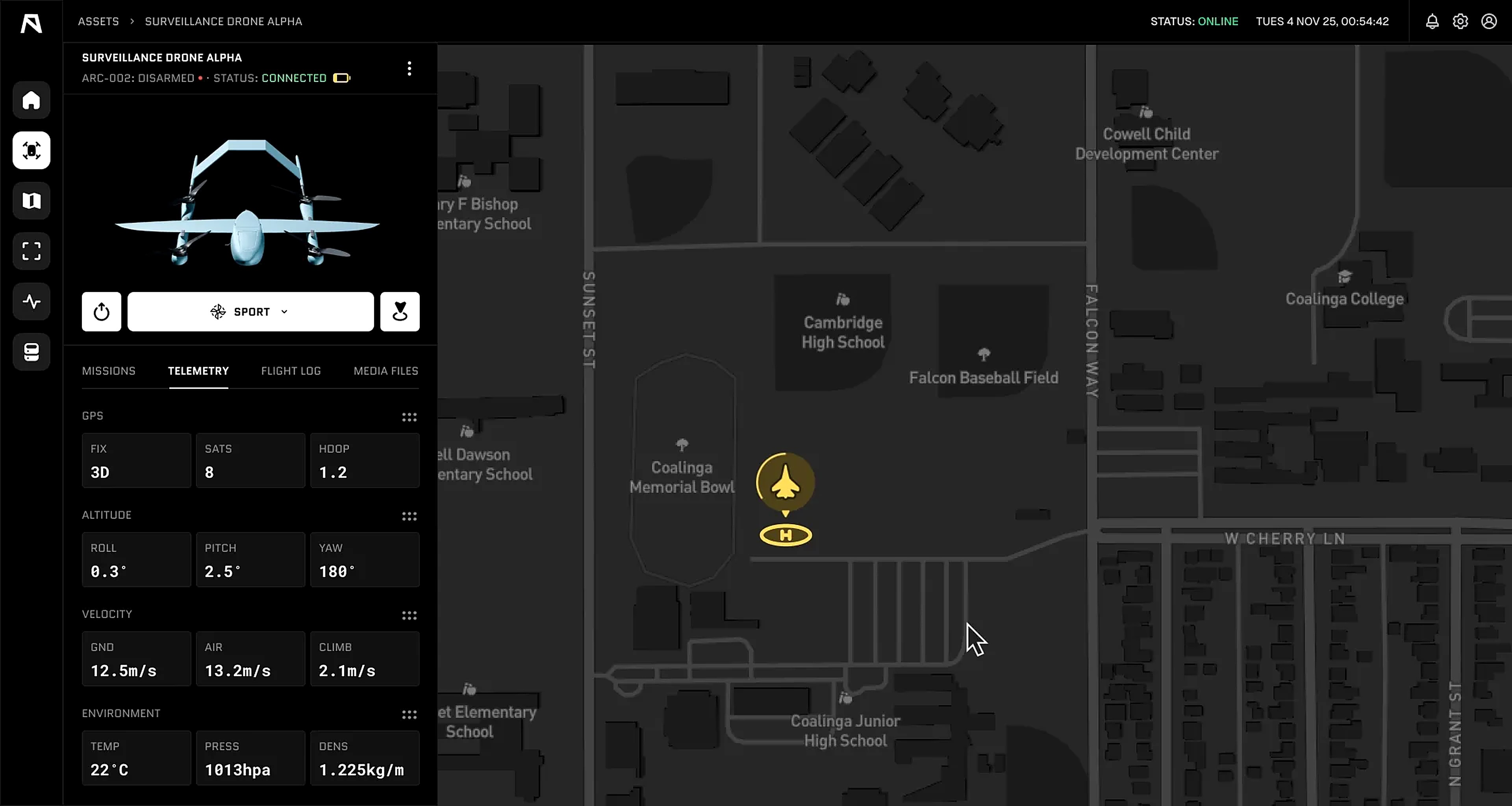
Terra’s product range covers air defence systems, ground systems and software. Nnaji said the systems are designed to work as an ecosystem, communicating with each other through a central platform, ArtemisOS, which he called “basically the brain of what we do.” The company describes ArtemisOS as an artificial intelligence (AI)-powered operating system that brings data intelligence and autonomy to infrastructure security.
“The main thing is, we’re trying to provide critical information to the military, to whoever is using any of our products, whether it’s in the commercial sector or in the military sector,” Nnaji said. He argued that the shared picture would help with mission planning and operations, cutting the time needed to scale an operation “from months to a couple of weeks or even less”, and helping users target problems on the battlefield.
Ground Robots for Mine Clearance and Combat Support
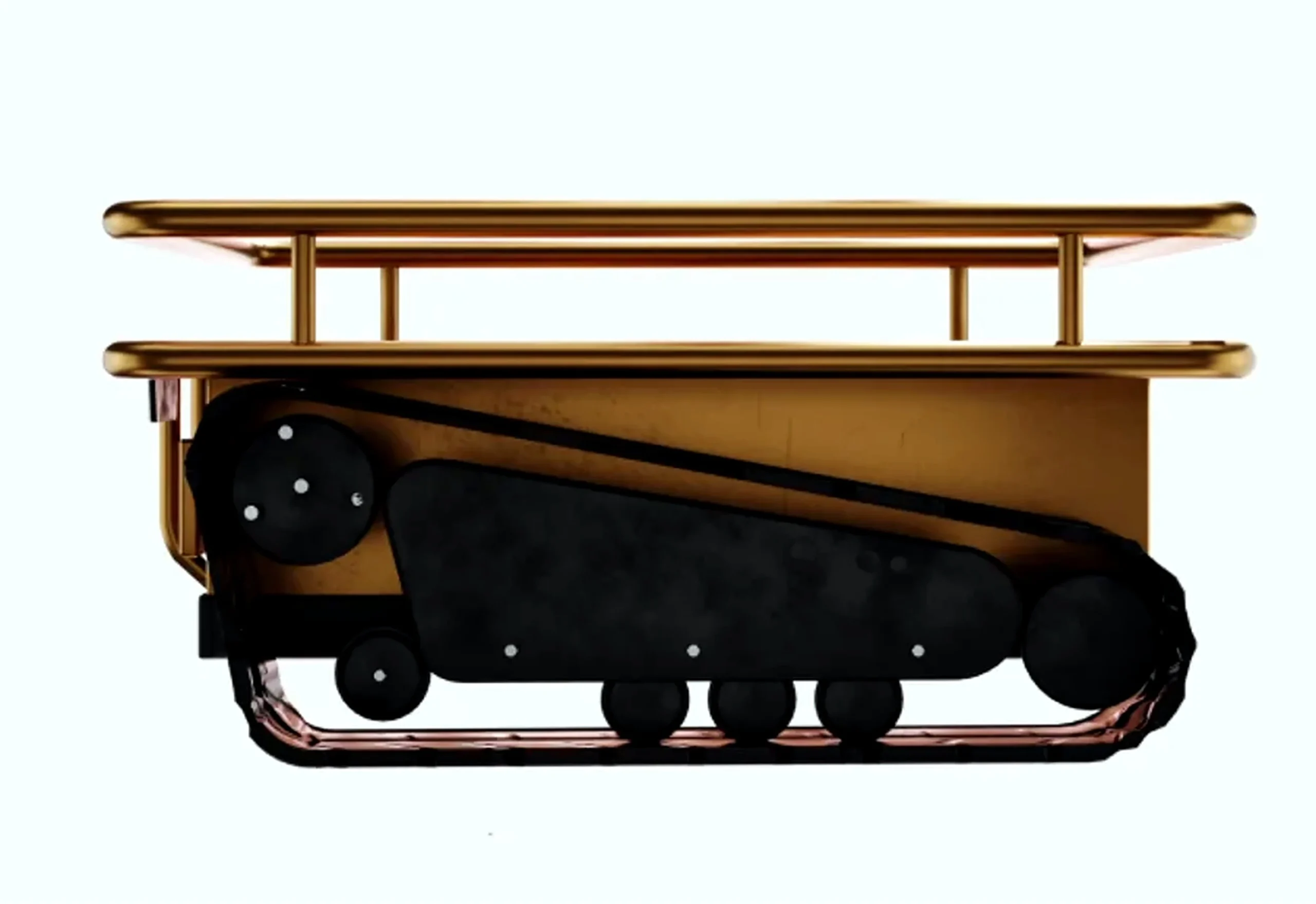
On the ground, Nnaji pointed to Terra’s unmanned ground vehicles (UGVs). One is configured as a minesweeper to detect improvised explosive devices (IEDs) and can be sent to the front line ahead of troops. “They can now send our minesweepers to detect and also to eradicate any of these IEDs,” he said, so that soldiers do not have to be sent forward when commanders are unsure whether a route is booby-trapped.
The company also offers combat versions of its Duma UGV, which Nnaji said can support a major push on the front line and reduce how many troops have to be committed, with soldiers supporting from the rear. Military Africa reported in March that Terra had armed the Duma with machine guns and rocket launchers. On Terra’s published figures, the tracked Duma weighs about 350 kilograms, carries a payload of up to 600 kilograms, reaches up to 45 km/h and runs for 24 hours, with a control range of 10 kilometres.
IEDs remain one of the deadliest threats to Nigerian troops in the north-east, where Boko Haram and the Islamic State West Africa Province (ISWAP) mine roads used by army convoys. A robot that can search and clear a route without putting an engineer team at risk is the kind of capability Nigerian commanders have long sought. “They can definitely help the military and all the different sectors in Nigeria, in Africa, and the Global South,” Nnaji said.
Drones, Sentries and Two Factories
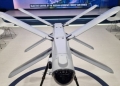
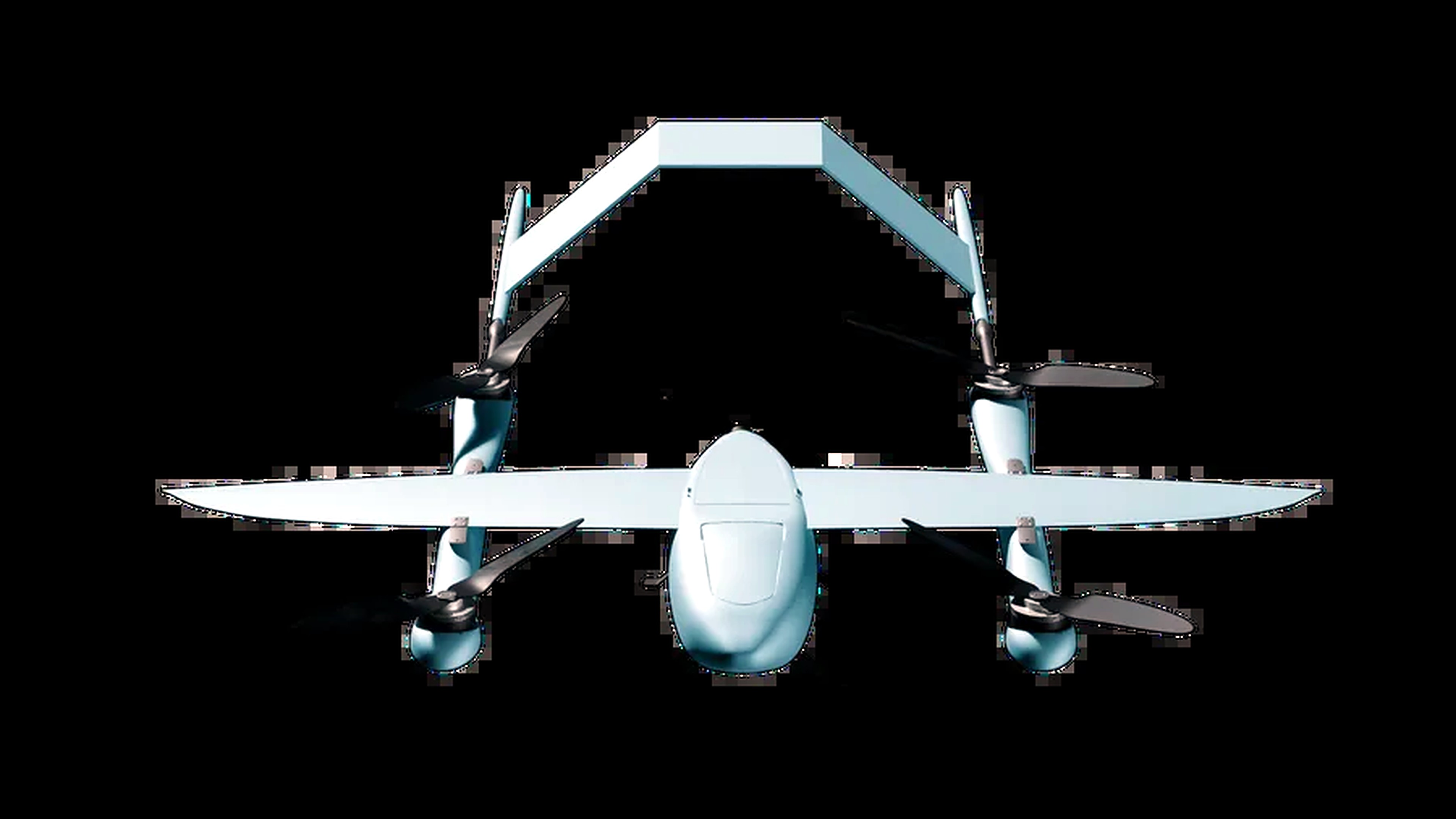
Terra’s air portfolio, according to the company, includes the Archer, a vertical take-off and landing (VTOL) drone with a range of up to 1,000 kilometres, four hours’ endurance and a 20-kilogram payload; the Iroko quadcopter for rapid tactical deployment; and the Kama, a high-speed interceptor drone it says can reach 300 km/h. The Kallon, a solar-powered AI sentry tower, can detect and track threats at up to 5 kilometres.
The company builds these systems at Pax-1, a 15,000 square foot factory in Abuja. The Ghana plant Nnaji referred to is Pax-2, a 34,000 square foot facility in Accra whose construction Terra announced in April 2026. Terra says Pax-2 will be the largest drone factory in Africa, create 120 engineering jobs and give the company capacity for 50,000 aerial systems a year by 2028. Business Insider Africa reported in August that the plant was due to open in the fourth quarter of 2026, as Terra raised a further $18 million to take its seed funding to $52 million and opened its first international office, in London.
Terra has come a long way since 2024, when, as TerraHaptix, it closed its defence division to focus on commercial clients. It has since returned to defence and signed an agreement with Nigeria’s Defence Industries Corporation (DICON) on local production. Its work has also reached heavier equipment: the Nigerian Army displayed tanks and armoured personnel carriers modified by Proforce and Terra Industries in Bauchi on 19 November.
Partnerships and Investment at AFRIDEX
Nnaji said the show had brought many innovative products and companies to Lagos that want to set up in Nigeria and the rest of Africa. “I feel like there’s a lot of room for opportunities for partnerships. We are very happy to see this in some of the investments,” he said.
That fits the mood of the first AFRIDEX, where President Bola Tinubu told delegates that Africa must become more self-reliant in defence, and where foreign firms such as Spain’s EM&E and India’s Airbornics Defence and Space signed agreements with Nigerian partners. Military Africa has argued that local capability must replace foreign reliance if Nigeria is to sustain its counter-insurgency campaigns.
Building a Defence Prime from Abuja
Nnaji set out the company’s ambition in plain terms. “We as a company are scaling more rapidly to be the defence prime for Africans, to support our industries, to support our governments and to curb our insecurity, but also to industrialise the continent and the Global South,” he said.
The test now is delivery. Pax-2 has to reach production, and Terra’s UGVs and drones need to move from demonstrations into sustained use with Nigerian and other African forces. If they do, a company founded in 2024 could become one of the first African firms to supply networked unmanned systems at scale to the continent’s armed forces.