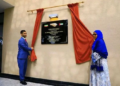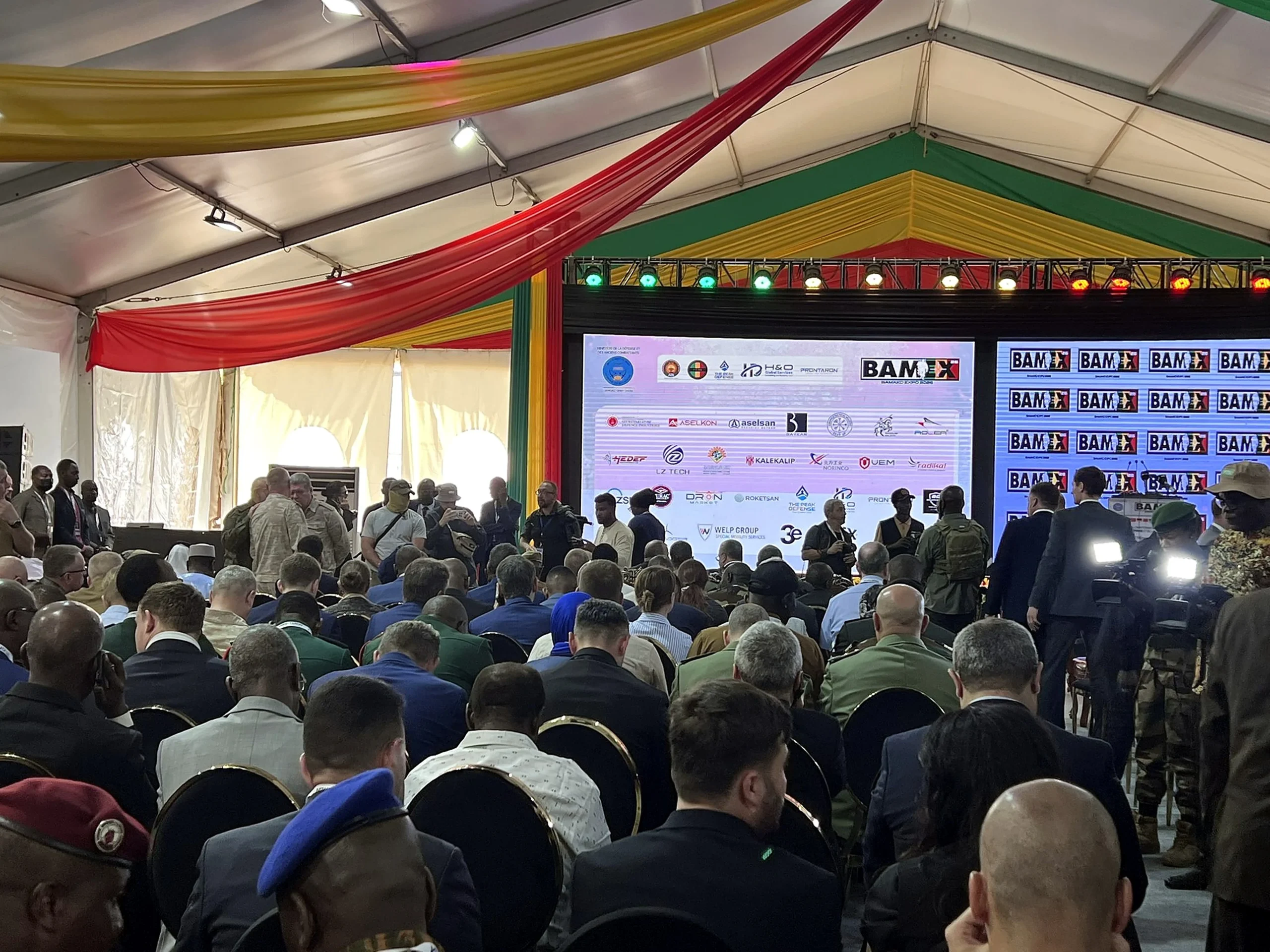
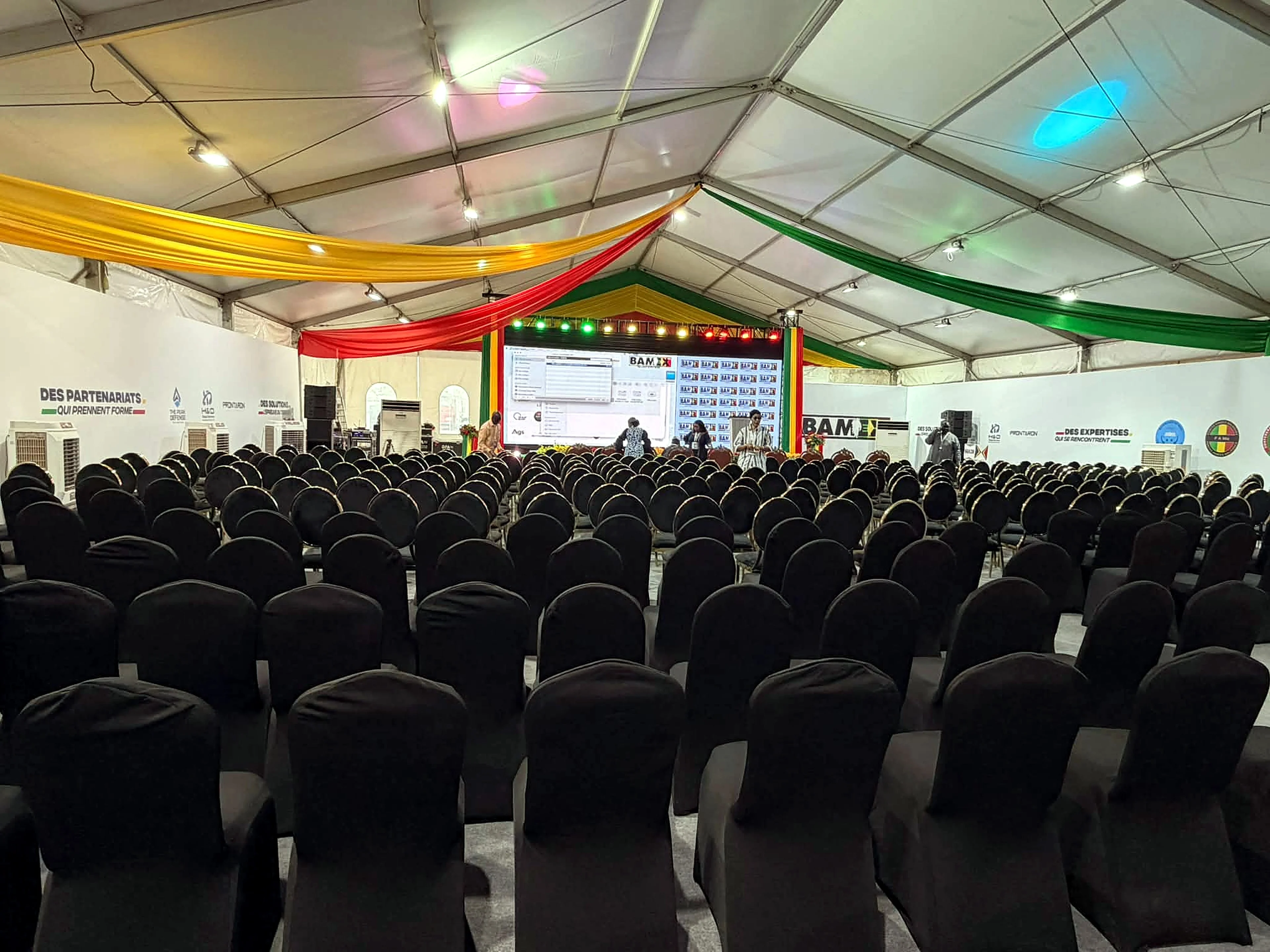
The second Bamako International Defence and Security Exhibition (BAMEX) opened in Mali’s capital on Monday, 9 November 2026, bringing international manufacturers and African military delegations together for five days under a programme framed around effective arms procurement and the growth of local defence production. Organisers expect representatives from more than 40 African countries and over 20 Turkish companies, including Baykar, ASELSAN and Roketsan, to attend the show, which runs until 13 November.
The exhibition is being held at the Bamako Exhibitions Park, known as FEBAK (Foire Exposition de Bamako), and is organised by the Turkish firm Prontaron Defence, trading as The Peak Defense, under the auspices of the Malian Presidency and the Ministry of Defence and Veterans Affairs. According to a statement released by the organisers, Türkiye’s Deputy Minister of National Defence is also expected to attend, along with senior military officers and industry representatives. The programme combines technology exhibits with live demonstrations so that delegations can watch the systems on display operate in the field.
A Wider Field After a Turkish Debut
BAMEX was first held from 11 to 14 November 2025. As Military Africa reported at the time, the inaugural edition functioned largely as a showcase for Turkish industry, with around 30 companies coordinated by Türkiye’s Secretariat of Defence Industries (SSB, Savunma Sanayii Başkanlığı) and delegations from more than 50 countries in attendance. Opening that edition, Prime Minister Abdoulaye Maïga criticised traditional defence financing models built on foreign aid and loans and called for industrial cooperation and co-financing instead, the same theme that frames this year’s emphasis on procurement that leaves capability behind in the country.
This year the organisers are presenting a broader international line-up. Besides Türkiye, manufacturers from several countries are attending, chiefly China, Germany and Sudan, according to the organisers and APA News. The Turkish industrial delegation of more than 20 companies includes Baykar, ASELSAN, Roketsan, Skydagger and Prontaron Defence, and representatives of Türkiye’s Ministry of National Defence and the Presidency of Defence Industries are also in Bamako. Sponsor boards at the opening session also carried the names of Turkish firms Kalekalıp and HEDEF and China’s Norinco.
BAMEX chairman Harun Saraç, chief executive of The Peak Defense, told Military Africa in September that the event would be judged by what follows it: “For us, the real success of BAMEX is what happens after the exhibition,” he said, pointing to procurement decisions, local partnerships, training, technology cooperation and maintenance agreements as the outcomes that matter.
Two Days for Demonstrations
One of the central elements of the programme is Demo Day, which allows participating companies to show their products and systems away from their stands. Military and official delegations can examine equipment on the exhibition floor first and then watch it perform in the field. The official website lists three days of exhibition, from 9 to 11 November, and two days of demonstrations on 12 and 13 November, which will take place at Koulikoro, northeast of the capital, according to Turdef.
The demonstrations will be run in real field environments and under simulated operating conditions, with technical observation by official delegations, complementing the static displays across the five days. The format carries over from 2025, when the final 48 hours of the show were set aside for live trials that let buyers check heat tolerance and dust resistance, two factors that often degrade equipment not designed for the Sahel.
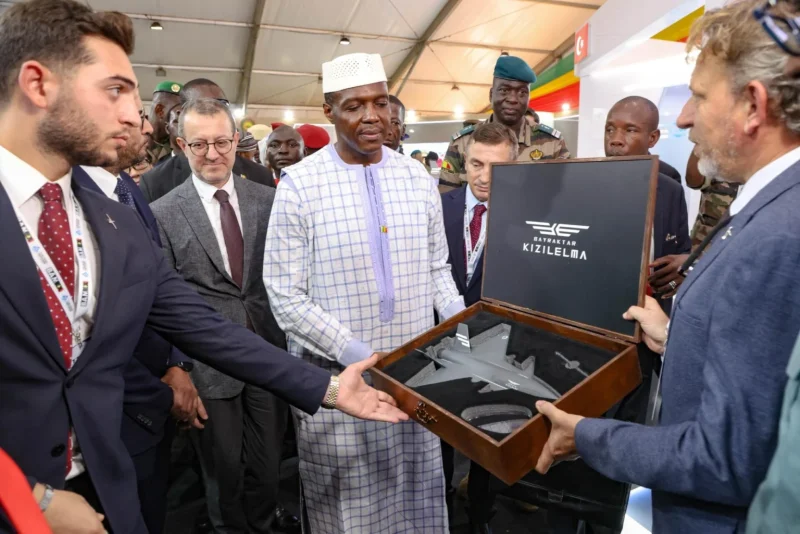
From Drones to Communications and Armoured Vehicles
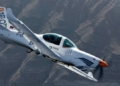
The organisers expect unmanned aerial vehicles (UAVs) and counter-drone systems to feature prominently, along with electro-optical equipment, reconnaissance and surveillance systems, tactical communications and border security equipment. These will sit alongside armoured ground vehicles, weapons, ammunition and personal protective equipment.
The call for exhibitors ties these areas directly to the Sahel’s security needs, listing counter-terrorism, border control, reconnaissance, surveillance, communications and unmanned systems as potential fields of cooperation. BAMEX aims to bring that regional demand and the offers of manufacturers from different countries into a single venue.
Mali’s own purchases show where that demand lies. The Malian Armed Forces (FAMa) have flown Bayraktar TB2 drones since at least early 2024, and received a further batch of Akinci combat drones at Sévaré Air Base on 30 July 2026. Russian equipment is also in theatre, including an RB-531B Infauna electronic warfare vehicle recently photographed with the Africa Corps.
A Show Held Under Pressure
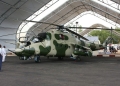
The exhibition takes place in a harder security climate than its first edition. Coordinated attacks by Jama’at Nusrat al-Islam wal-Muslimin (JNIM) and the Azawad Liberation Front (FLA) in April 2026 reached Bamako and Kati and killed Defence Minister Sadio Camara, and the FLA went on to seize equipment including a Malian Air Force Mi-24P attack helicopter. For Mali and its partners in the Alliance of Sahel States (AES), Burkina Faso and Niger, the pressure to buy equipment that works quickly, and to sustain it locally, has grown accordingly.
Koulikoro Field Trials and the Contracts to Follow
The demonstrations at Koulikoro on 12 and 13 November will give delegations their clearest view of how drones, counter-drone systems and armoured vehicles cope with Sahelian conditions. Whether BAMEX 2026 lives up to its procurement and local production theme will depend on what follows: signed contracts, maintenance and training arrangements, and any assembly or co-production deals that keep part of the work in Mali, rather than the number of stands on the FEBAK floor.