The armed forces of Côte d’Ivoire, France and Gabon have been conducting Exercise Fangha across Jacqueville, Yamoussoukro and Bouaké since 7 November 2026, opening the Grand Multinational Exercise (Grand Exercice Multinational, GEX) 2026 with amphibious landings, air-land manoeuvres and a French amphibious helicopter carrier offshore. The Ivorian phase runs until Saturday 14 November.
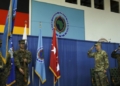
The Ivorian General Staff announced the exercise in a communiqué dated 4 November and signed by General Lassina Doumbia, Chief of the General Staff of the Armed Forces. He formally launched the Ivorian phase on Tuesday 10 November at the Hôtel des Armées in Abidjan, three days after troops began moving in the field. According to Pulse Côte d’Ivoire and Bénin Web TV, Doumbia placed operational coordination at the centre of the drill, citing terrorist threats, cross-border criminal networks and information manipulation.
2,131 troops, a helicopter carrier and three theatres
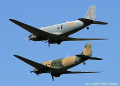
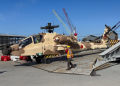
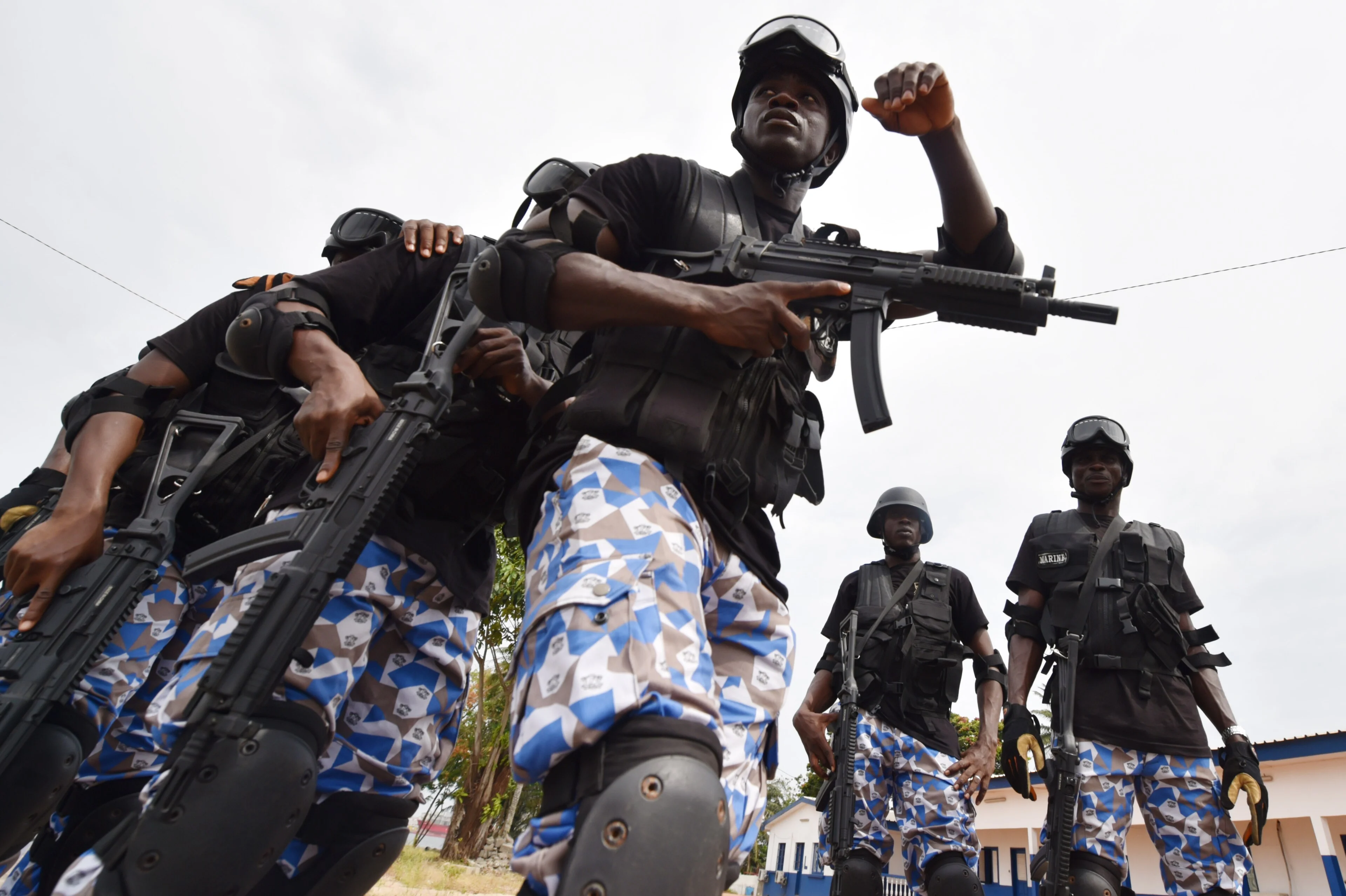
Fangha brings together 1,181 Ivorian, 850 French and 100 Gabonese personnel, a total of 2,131, with Benin, Guinea, Liberia and Senegal following the manoeuvres as observers. State broadcaster RTI gave slightly different figures of about 1,200 Ivorian, about 100 Gabonese and more than 600 French troops. The equipment committed includes nine armoured vehicles, six aircraft and seven light boats, and Infos Gabon reports that Mirage 2000 combat aircraft are taking part in GEX 2026.
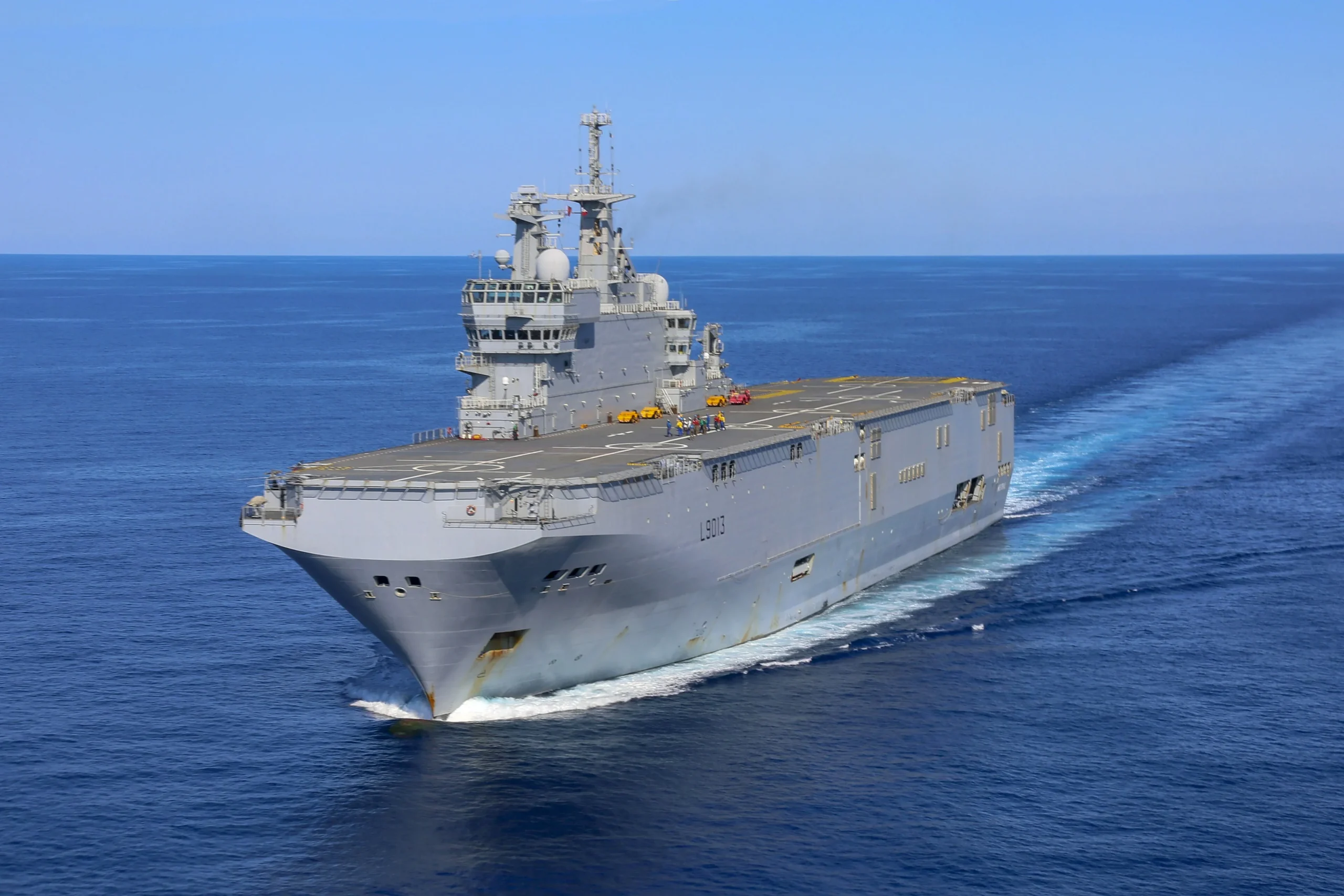
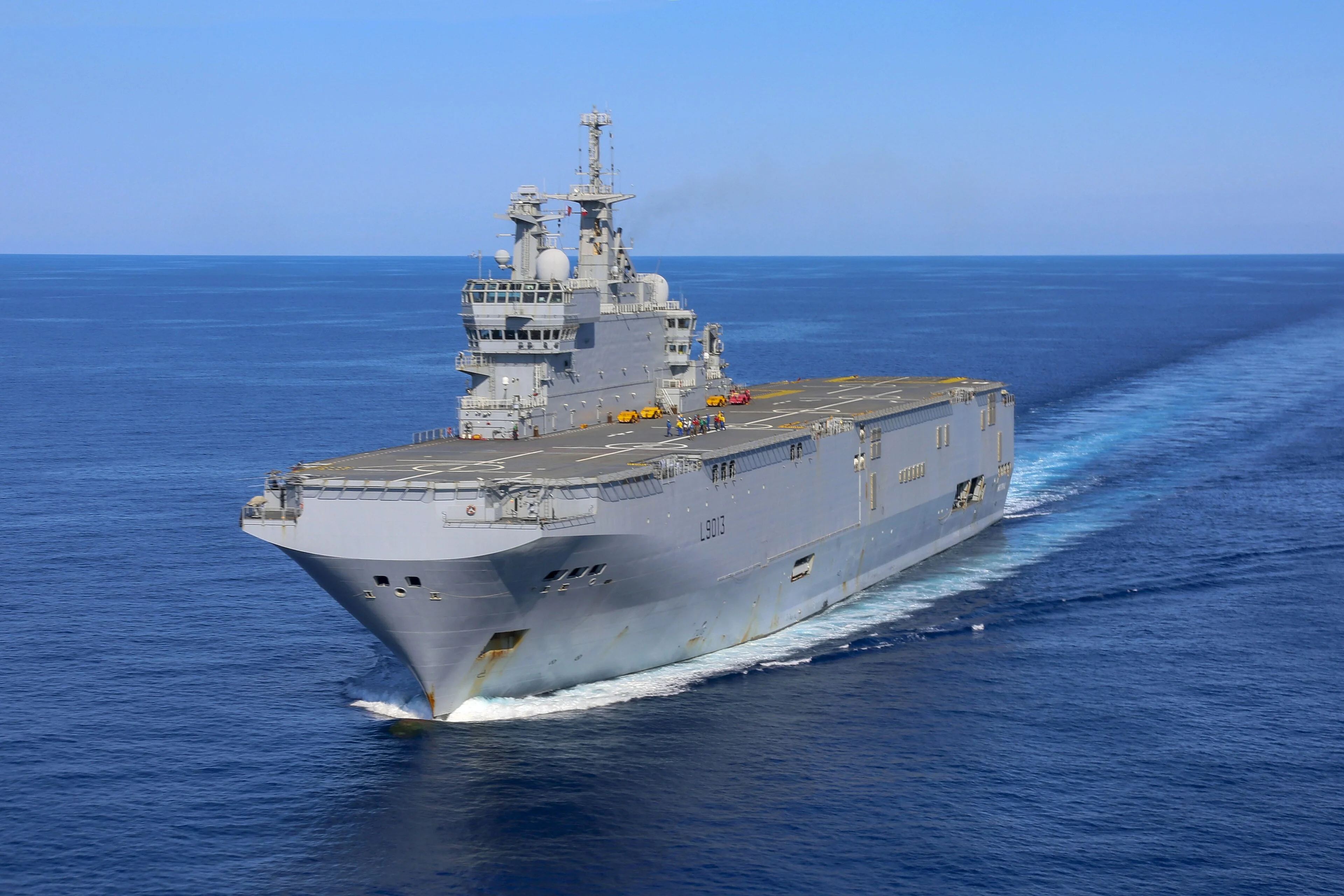
The French amphibious helicopter carrier arrived on 8 November. RTI identifies it as the Mistral (L9013), the lead ship of the French Navy’s Mistral class, a 199-metre, 21,300-tonne vessel able to carry up to 16 heavy helicopters and landing craft in a well dock. Ivorian and French troops simulated a landing from the ship on the coast and lagoon at Jacqueville, west of Abidjan, on 9 and 10 November.
Inland, air-land manoeuvres continued around Bouaké until 12 November, and military leaders were due to meet in Yamoussoukro on the same day. The spread of sites, from the coast to the centre of the country, tests the forces in very different terrain and draws the navy, army and air force into the same scenario.
Eight months of planning, African-led conduct
Planning for GEX 2026 began in Abidjan on 31 March, and the final planning conference was held at Camp Aïssat in Libreville from 22 to 24 September. During the preparatory work, French Air Brigadier General Pierre Wencker said that conduct of the exercise would fall to the African partners. After Côte d’Ivoire, GEX 2026 moves to Gabon under the name WAIYA. RTI and Infos Gabon give its dates as 24 to 29 November.
France’s new model on the Gulf of Guinea
The exercise reflects a reshaped French military presence in West and Central Africa. France handed the Port-Bouët camp back to the Ivorian army in February 2025 and now concentrates on training and joint exercises rather than permanent bases. The same GEX deployment has reopened a door in the Sahel: the French armed forces said in late October that two Mirage 2000 fighters and a CASA transport aircraft would make a technical stop in Chad as part of GEX, after Paris and N’Djamena revived defence cooperation in October.
For Abidjan, Fangha is one strand of a broad modernisation that mixes partners. The Ivorian forces have confirmed Chinese Wing Loong II drones, are training pilots in France ahead of Hongdu K-8 deliveries, and signed a State Partnership Programme with the Pennsylvania National Guard in July. Gabon, meanwhile, is renewing its navy with the first of 15 patrol vessels from France’s Ocea.
Readiness against a southward-moving threat
The scenario’s focus on terrorism and hybrid threats matches the risk facing Côte d’Ivoire’s northern border, where jihadist groups active in Burkina Faso and Mali have pushed towards coastal states, and the maritime security challenges of the Gulf of Guinea. Like the busy run of exercises in neighbouring Ghana, Fangha is a test of whether coastal West African forces can plan and lead joint operations themselves, with WAIYA in Gabon offering a second test before the end of the month.