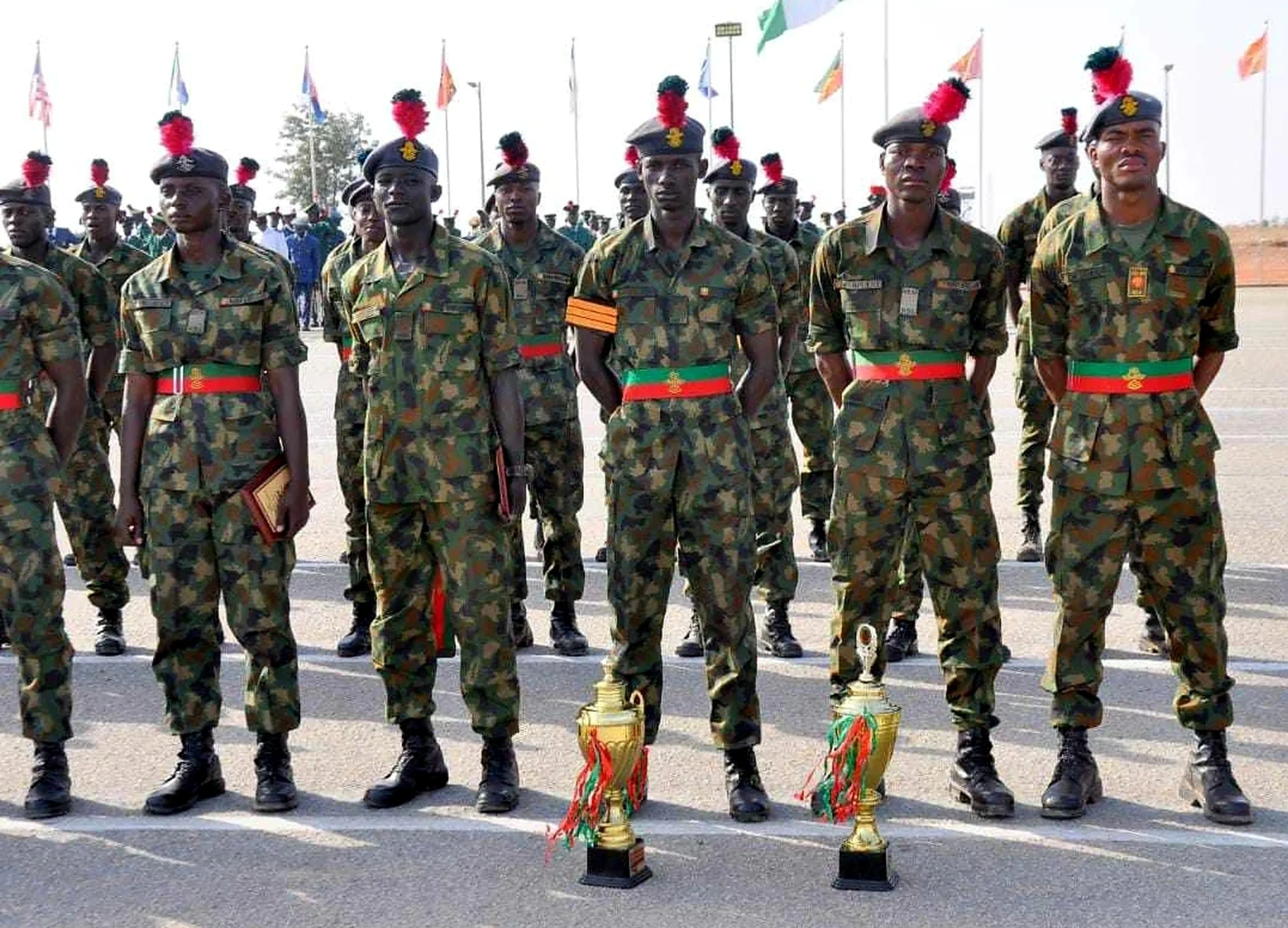
Nearly three-quarters of Nigeria’s ₦3.154 trillion defence budget for 2026 is going on personnel costs, leaving less than a quarter for equipment, maintenance and training, a former Nigerian Air Force (NAF) spokesperson has said. Retired Group Captain Sadeeq Shehu told ARISE News that ₦2.4 trillion, or 75.9 per cent of the allocation, goes to personnel, Premium Times reported on 5 November.
Overheads account for a further 9.4 per cent, about ₦297 billion, which leaves what Shehu called a “paltry less than 25 per cent” for the equipment, maintenance and training that turn a budget into combat power. “What global best practice has shown us is that the only thing that comes out from this budget is personnel cost,” he said.
A planning problem, not a funding problem
Shehu argued that Nigeria is not underspending on defence. “I think we are spending right as far as amount is concerned,” he said. “The problem is the plan and where do we put the money. The problem is also a governance issue.” He said neither the executive nor the National Assembly had challenged the imbalance. “I do not see either the executive branch or even the legislature attacking this,” he said, adding that lawmakers “do not have really a clear picture of what the defence budget is all about.”
Part of the problem, in his view, is the format of the budget itself. Nigerian defence spending is presented under three broad subheads: personnel, overhead and capital. “If you just leave it into these three, you know, three subheads, personnel, capital and overhead,” he said, planners and legislators cannot see where operational gaps lie. “If you don’t plan your defence budget properly, you are likely to leave things that are essential.” He called for more detailed spending classifications tied to specific military needs, so that money can be directed to priorities, and for better briefing of lawmakers on operational requirements, rather than simply raising the overall allocation.
How the 2026 allocation breaks down
Shehu’s figures match the budget documents. As Military Africa reported in June, the 2026 defence budget approved on 31 March was a nominal record, but inflation cut its real value by about 8.5 per cent. Of the Ministry of Defence allocation, about ₦2.39 trillion went to pay and allowances, while capital spending was ₦464.47 billion, roughly 15 per cent of the total and the lowest share since 2021.
The Nigerian Army took the largest share at ₦1.504 trillion, ahead of the Nigerian Navy at ₦443.9 billion and the NAF at ₦407.2 billion. Investment budgets for the army and navy fell by about 37 per cent in real terms once rising payroll costs had been met, while NAF overheads, which cover training, maintenance and fuel, rose by 18 per cent.
Big programmes, thin sustainment
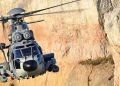
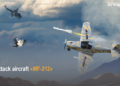
The imbalance matters because Nigeria is bringing in some of the most expensive equipment in its history. The NAF is preparing to receive the first of 24 Leonardo M-346FA fighter-attack jets, and its technicians are already training in Italy to maintain them. Bell has begun building Nigeria’s AH-1Z Viper attack helicopters. Each new type brings years of spares, fuel, ammunition and training costs, and those come out of the same quarter of the budget that Shehu describes as stretched.
Nigeria’s armed forces are also fighting on several fronts at once: against Boko Haram and Islamic State West Africa Province (ISWAP) in the North-East, against bandits in the North-West and North-Central, and in support of the police across much of the country. A large share for pay reflects a growing force, but without money for maintenance and training, aircraft sit on the ground and vehicles wait for parts. The government has announced outside support such as €20 million in European Union assistance, but that is small against the size of the gap.
Turning a ₦3 trillion budget into combat power
Shehu’s critique echoes a long-running debate about how Nigeria spends on security. The answer he proposes is not a larger budget but a different structure, with spending lines that show how much goes to flying hours, vehicle maintenance, ammunition and training, so that lawmakers can see what the money buys. The 2027 budget cycle, which normally opens with the executive’s proposal to the National Assembly towards the end of the year, will show whether the defence ministry and the legislature take up that call or continue to fund a growing payroll at the expense of the equipment and readiness the force needs.