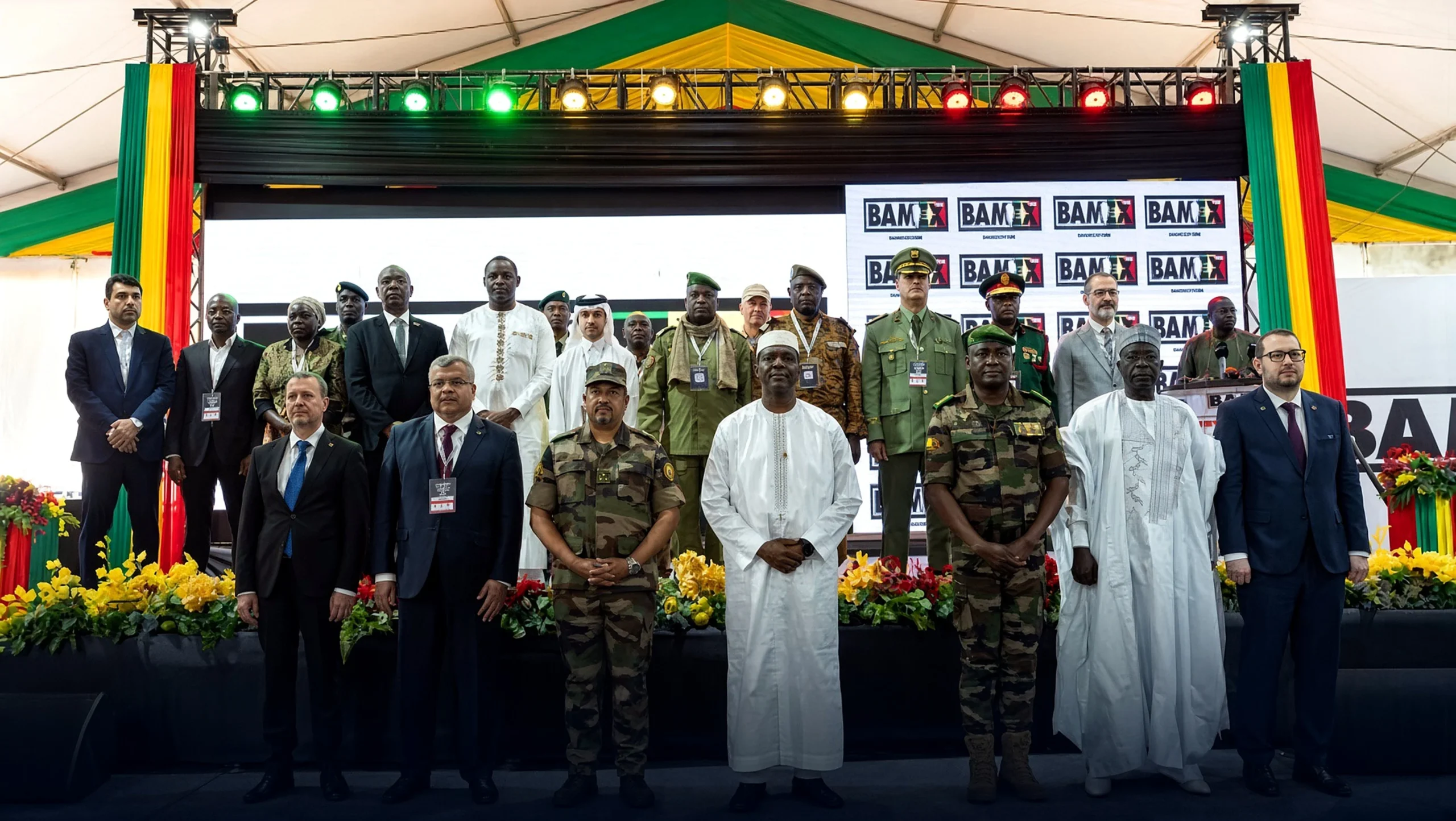
Mali is putting technology transfer at the centre of its defence cooperation with Türkiye and wants Turkish companies to expand into the country’s energy, agriculture and healthcare sectors, Foreign Minister Abdoulaye Diop said on Tuesday. Speaking to Türkiye’s Anadolu Agency on the sidelines of the Bamako International Defence and Security Exhibition (BAMEX) 2026, which Mali’s Ministry of Defence organises with the Turkish company The Peak Defense, Diop discussed the exhibition’s growing international reach, relations with Ankara and the negotiations between West Africa’s two regional blocs.
“Türkiye has stood by us despite all the difficulties of this period. We appreciate this solidarity and want to strengthen our cooperation with Türkiye,” Diop said.
Equipment, but also the know-how
Diop said Mali, under transitional President General Assimi Goïta, has made clear choices on equipping its defence and security forces, on technology transfer and on developing its own defence industry. Defence and security, he said, remain fundamental priorities for African countries.
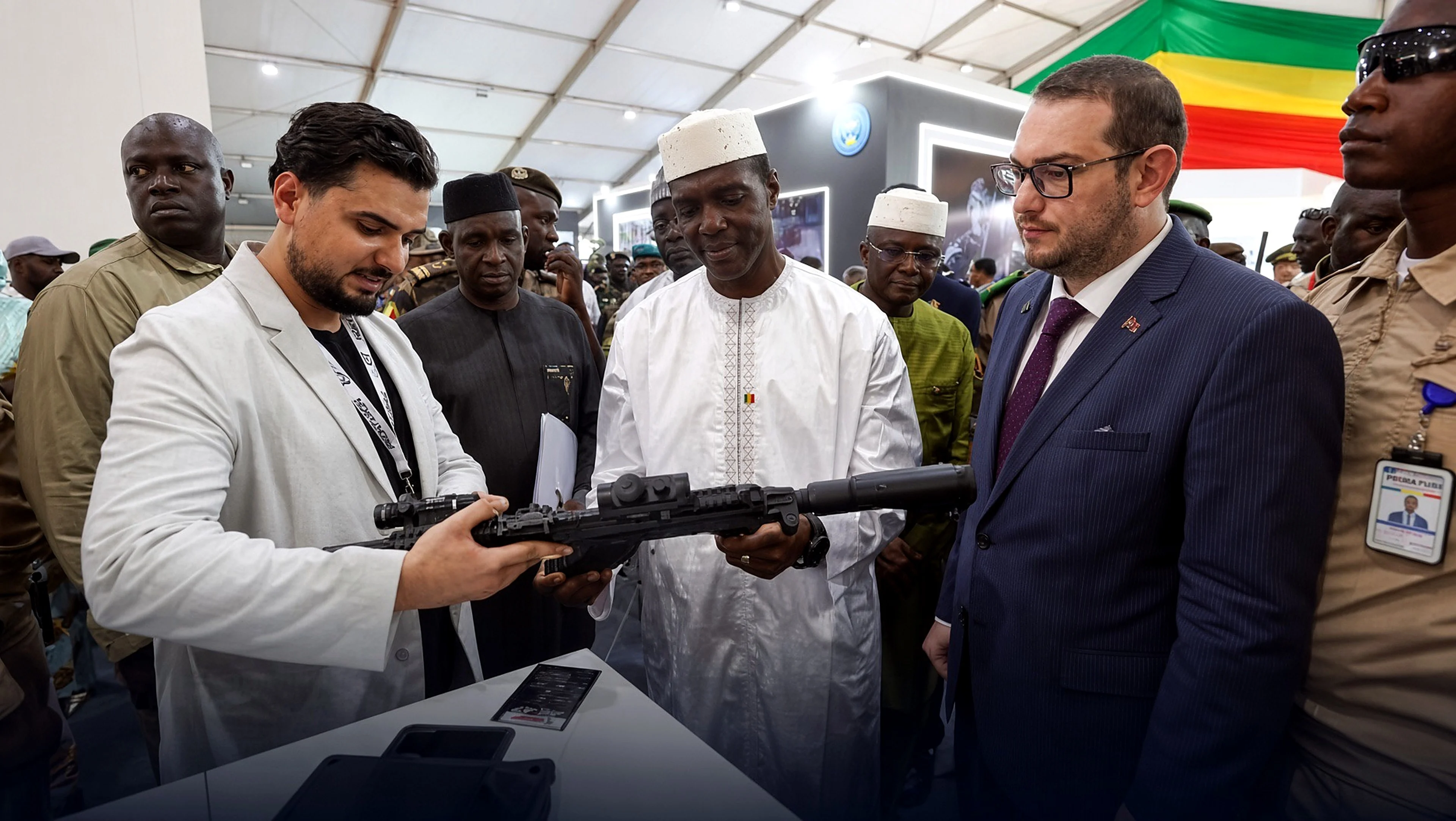
Mali wants to move away gradually from partnerships that create dependency, he said, and is interested in acquiring advanced technology and equipment while building domestic capability. “We want to acquire advanced technology and equipment, but we also want technology transfer. We want to work with partners like Türkiye to develop our own capabilities,” he said.
He welcomed the strong showing of Turkish defence companies at the first BAMEX in 2025, saying Türkiye had stood alongside Mali, and said the new partnerships should help Mali and other African countries strengthen their ability to provide their own security and gradually reduce external dependency. Diop said defence, security and military procurement remain important elements of relations with Türkiye, and welcomed President Recep Tayyip Erdoğan’s and Türkiye’s willingness to respond to Mali’s equipment needs.
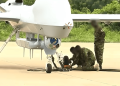
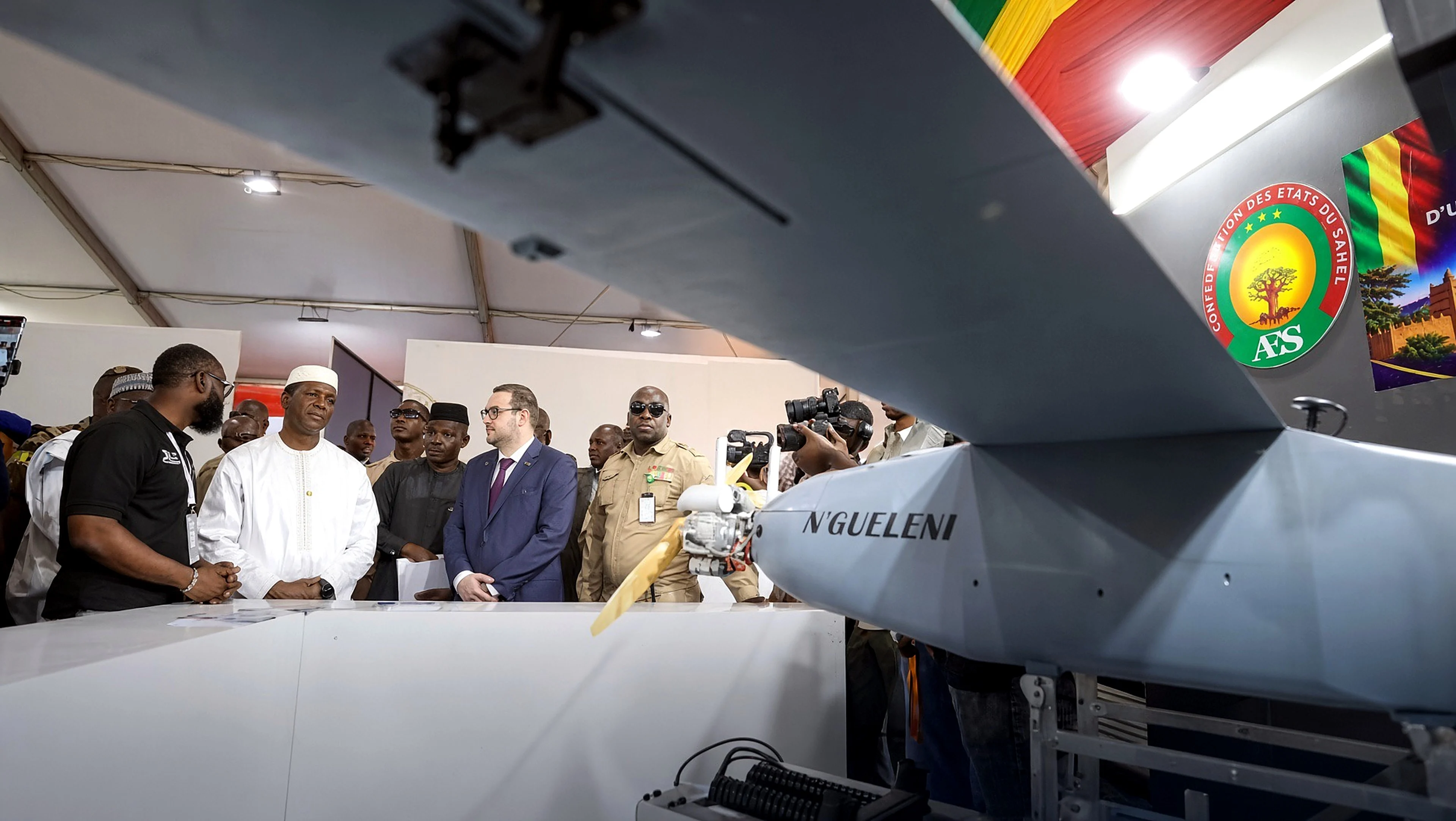
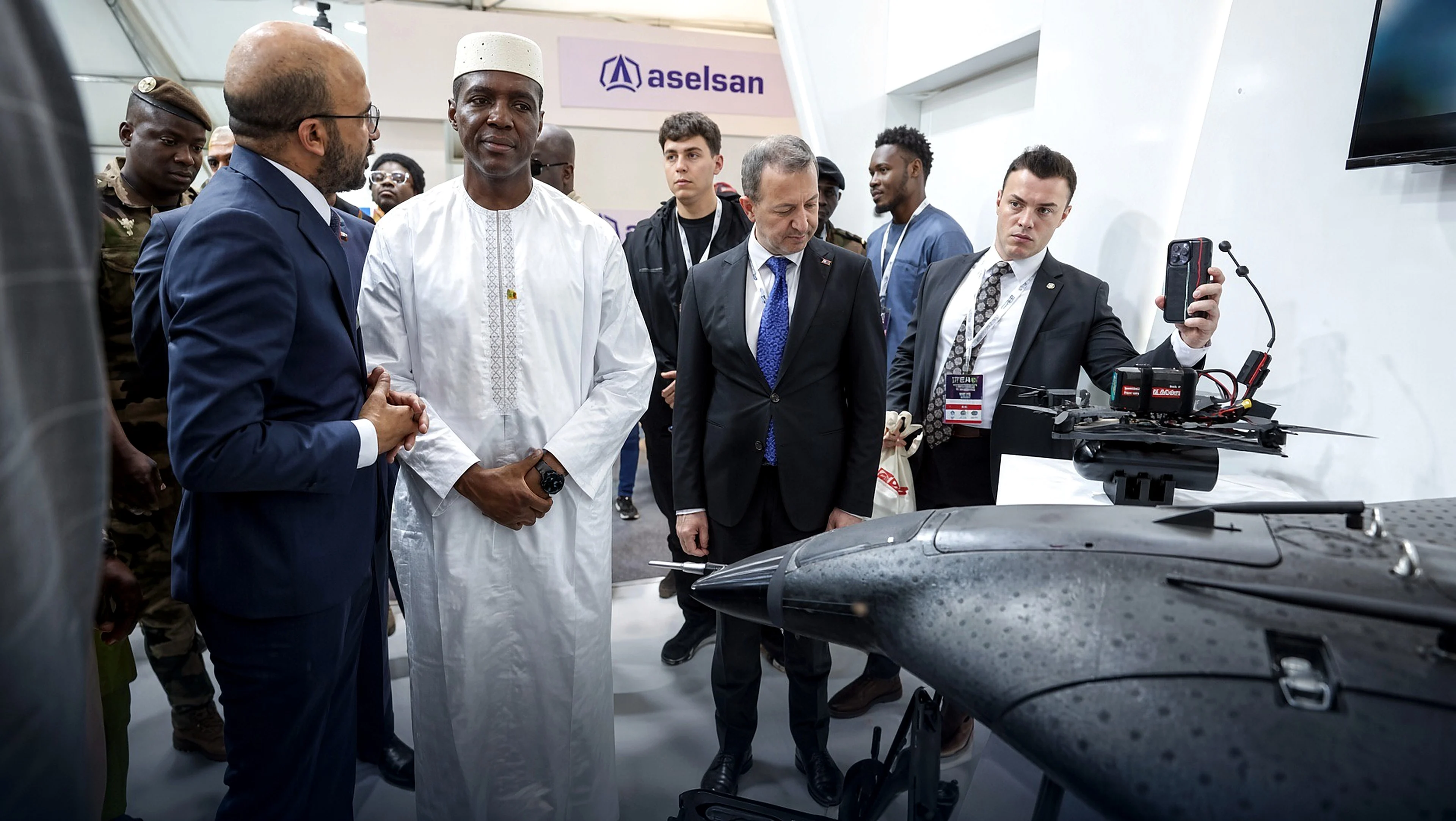
That relationship is visible in Mali’s arsenal. The Malian Armed Forces (FAMa) operate Baykar Bayraktar TB2 and AKINCI drones, and Turkish firms dominate the halls in Bamako: more than 20 are exhibiting, among them Baykar, which is showing its KIZILELMA unmanned combat aircraft in Malian colours, ASELSAN with its KORKUT air defence system, and The Peak Defense’s sister brand Prontaron Arms. Mali’s push for local production echoes the message from Lagos, where Nigerian President Bola Tinubu told AFRIDEX 2026 that Africa must become more self-reliant in defence.
Beyond the military sphere
Diop said Bamako now wants the relationship to reach well beyond arms. “Our goal today is to go beyond the military sphere and develop mutually beneficial economic, commercial, and industrial cooperation with Türkiye,” he said. “We want Turkish companies to come to Mali and work with us in every sector, particularly energy, agriculture, and healthcare.”
Mali wants this cooperation to contribute to economic transformation and to the development of its domestic capabilities, he said. The two countries aim to increase bilateral trade, make technology transfer easier and encourage businesspeople from both sides to work together.
Diop also expressed disappointment at Turkish Airlines’ temporary suspension of flights to Bamako, saying air links are important for strengthening bilateral cooperation, and said he hoped the necessary decisions would be taken soon to resume them.
A second BAMEX with wider attendance
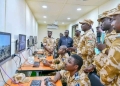
Diop said BAMEX had made progress in its second year in both the number and quality of participants. Several new countries had joined those represented at the first exhibition, with delegations including government ministers and deputy ministers. Russia, China, Türkiye and many African countries were among the participants, alongside the United States and other nations, which he said showed Mali’s effort to broaden its international partnerships. Military Africa reported at the opening that delegations from more than 40 African states had come to Bamako.
He said he hoped BAMEX would eventually become one of Africa’s leading defence and security gatherings, bringing together governments, companies and military and security institutions, an ambition the show’s chairman, Harun Saraç of The Peak Defense, has also set out to Military Africa.
Diop said the growing international participation sent a message to those seeking to impose sanctions on Mali. “We worked hard to make the first BAMEX a success. The second exhibition demonstrates our determination and resilience. Many of those who were skeptical about the first exhibition are now attending,” he said. “Threats, pressure, sanctions and even disinformation have no effect. They have no effect because Mali is working towards the objectives it has set.”
He repeated that Mali wants to move away gradually from partnerships that left the country dependent on others. “We want to acquire advanced technology and equipment, but we also want technology transfer. We want to work with Türkiye and our other partners to develop our own capabilities,” he said, adding that the presence of countries from across the world showed BAMEX had created an environment of trust in which new partnerships could be formed.
ECOWAS and the AES on separate paths
Diop also addressed mediation by the Economic Community of West African States (ECOWAS) aimed at persuading members of the Alliance of Sahel States (AES), Mali, Burkina Faso and Niger, to return to the regional bloc they left in January 2025. Foreign ministers from ECOWAS and AES countries recently met in Dakar, Senegal, to work towards a framework agreement governing relations between the two groups, he said.
Asked whether the AES states would rejoin ECOWAS, Diop said: “Our priority in these negotiations is not to return to ECOWAS. Our priority is for two sovereign organizations to coexist and cooperate in a way that protects the interests of our peoples.”
He named the free movement of people and goods as the key priorities and said the two sides could also discuss possible security cooperation and the conditions under which it might take place. The two organisations could work together on shared diplomatic interests concerning regional issues, the African Union and the United Nations, he said. Security cooperation is a live question: armed groups operate across the borders of the AES and its coastal neighbours, and Nigeria’s Defence Headquarters has said it is working with the AES juntas to reposition the Multinational Joint Task Force in the Lake Chad Basin.
Diop said the AES countries had closed the chapter on ECOWAS membership and opened a new chapter in their relations with the bloc. “ECOWAS and AES will each continue on their own path. Both organizations remain open to cooperation, dialogue, and consultation,” he said.
Bamako’s bet on Ankara
Diop’s remarks set out the terms Mali now wants from Türkiye: not only drones and rifles, but the skills to build and maintain them, and Turkish investment in power, farming and hospitals. Whether Ankara’s defence companies offer genuine technology transfer, and whether Turkish firms follow them into Mali’s civilian economy despite the security situation and suspended flights, will decide how far the partnership Diop described moves beyond the exhibition halls of BAMEX.