


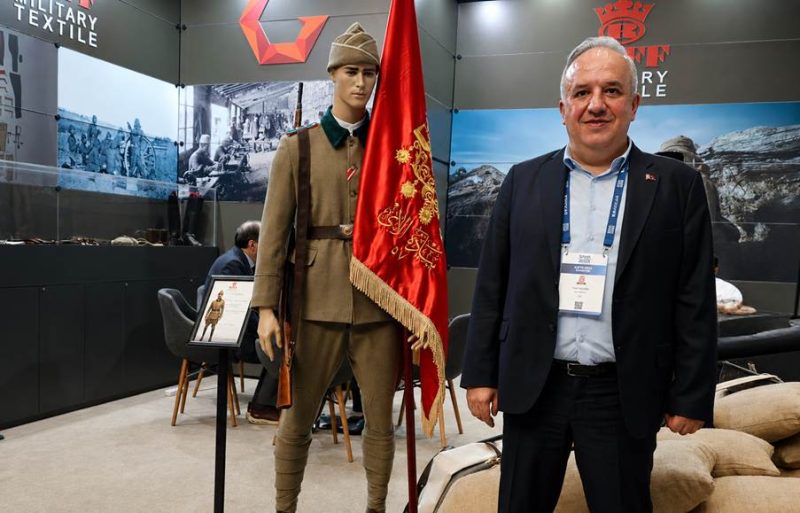
In the military textile sector, international testing standards are the foundation of our work. Measuring fabric strength, colour retention, and breathability in a laboratory is a strict requirement. However, field experience reveals a crucial truth: passing a test in a controlled facility is entirely different from surviving an active mission. A standard data sheet cannot predict how a piece of equipment will perform under the extreme physical stress of a real operation. True quality in tactical gear is not defined solely by testing machines; it is proven on the frontline by the personnel who rely on it for their survival and efficiency.
The Limits of a Controlled Room
In a testing centre, machines pull a piece of fabric in a stable, warm room. This shows the material is strong and will not tear easily. But a machine cannot copy the reality of a soldier running for cover over rough ground, carrying a heavy 30 kilograms bag. Labs provide a safe, clean space.
The modern field, especially in the extreme and changing climates across Africa, is completely unpredictable. The diverse landscapes of the continent present unique challenges. Fine desert sand can break down standard zippers, and strong sun rays can ruin basic camouflage patterns very quickly. From the dry heat of the Sahel to the wet air of tropical forests, nature creates problems that no machine can fully copy. A waterproof coat might work perfectly at 20°C in a lab but trap too much body heat during a fast jungle patrol at 40°C. Real operations do not happen in controlled rooms.
Practical Design for the Human Body

Field experience reveals a key fact: a military uniform is a tool, not just clothes. The final test of any jacket or trousers is how it supports the human body under deep stress.
A thick, strong seam might get excellent scores in a lab test. However, if that exact seam sits directly under the heavy straps of a soldier’s bag, it will cause bad rubbing and painful blisters over a long walk. The fabric survives the test, but the soldier cannot move well and their focus drops. True skill in military textiles means focusing on practical design. A manufacturer must know exactly where a fabric should stretch, where it must let air in, and where seams must be removed completely to stop pain.
Field Feedback as the Ultimate Test
At Raff Military Textile, laboratory certificates are our starting point, not our final destination. The most valuable information we gather comes directly from the field. Listening to the armed forces and security personnel who wear the equipment every day is vital. If a pocket is difficult to open with tactical gloves, or if a fabric makes too much noise during a night mission, the design must change immediately. Industry leaders must learn from the end-users.
The highest praise for a military uniform is when a soldier completely forgets they are wearing it. When they can move and perform their duties without restriction, the product is a success. Laboratory standards ensure baseline safety, but real field experience ensures operational success. For the military textile industry, the true laboratory will always be the battlefield.