
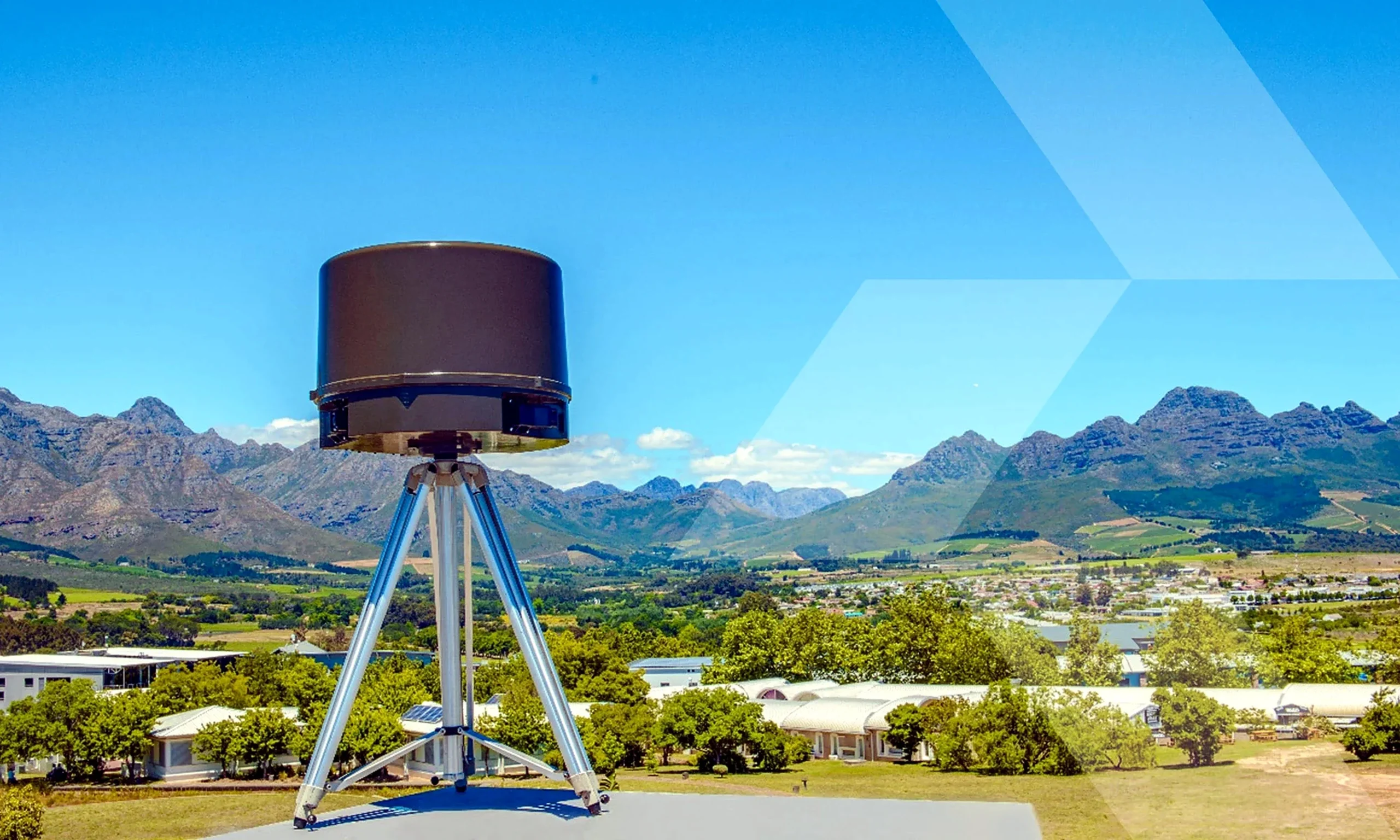
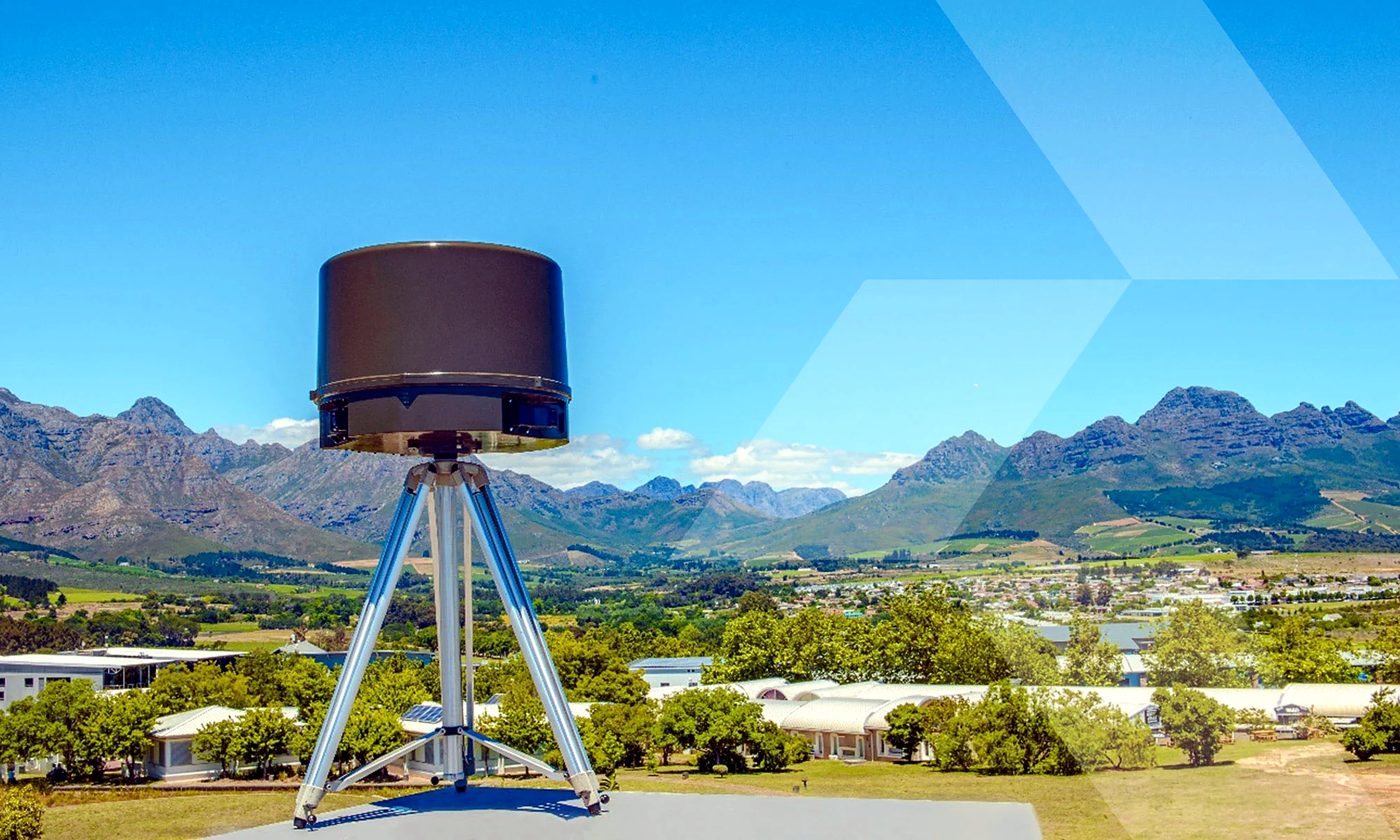
South African radar maker Reutech Radar Systems (RRS) is moving its new RSR102 low-cost X-band surveillance radar into series production and expects large orders from mines and operators of critical infrastructure, chief executive Harald Bielfeld told defenceWeb in an interview published on 20 November 2026 and updated on 23 November. The first RSR102 units have already been delivered to customers for perimeter security.
RRS, part of the Reunert group’s Applied Electronics segment, says the RSR102 is optimised to detect people at ranges beyond 600 metres and automatically detects and recognises moving targets such as personnel and vehicles. It is small, light and draws little battery power, which suits it to intruder detection around restricted areas. Its low transmitted power gives it a low probability of intercept (LPI), making it harder for an adversary to detect, and the company pitches it for covert operations as well as fixed sites.
Each RSR102 covers a 90-degree sector, so four units give full 360-degree coverage. The radar can automatically cue a camera to identify and track whatever it detects.
RSR903 wins border orders
The RSR102 is the entry point in a family of ground surveillance radars aimed at perimeter and border protection. The RSR903 is a 20 kg Ku-band radar using low-probability-of-intercept frequency-modulated continuous wave (FMCW) technology. It has an instrumented range of 30 km and can detect pedestrians at 8 km, small vehicles at 15 km and large vehicles at 20 km, scanning in panoramic, sector or staring modes, and it runs from a generator, batteries, solar panels or mains power.
South Africa’s Border Management Authority (BMA) has bought the RSR903 and may order more, and a customer in South-East Asia has also taken delivery. The South African National Defence Force (SANDF) is allocating budget to buy RSR903 radars for border security, Bielfeld said. That matters for a force that safeguards South Africa’s long land borders under Operation Corona, where radars can extend the reach of thinly spread patrols. Military Africa has reported Paramount founder Ivor Ichikowitz’s argument that public-private partnerships could rebuild the SANDF if the state engages with industry.
RSR905 extends the range
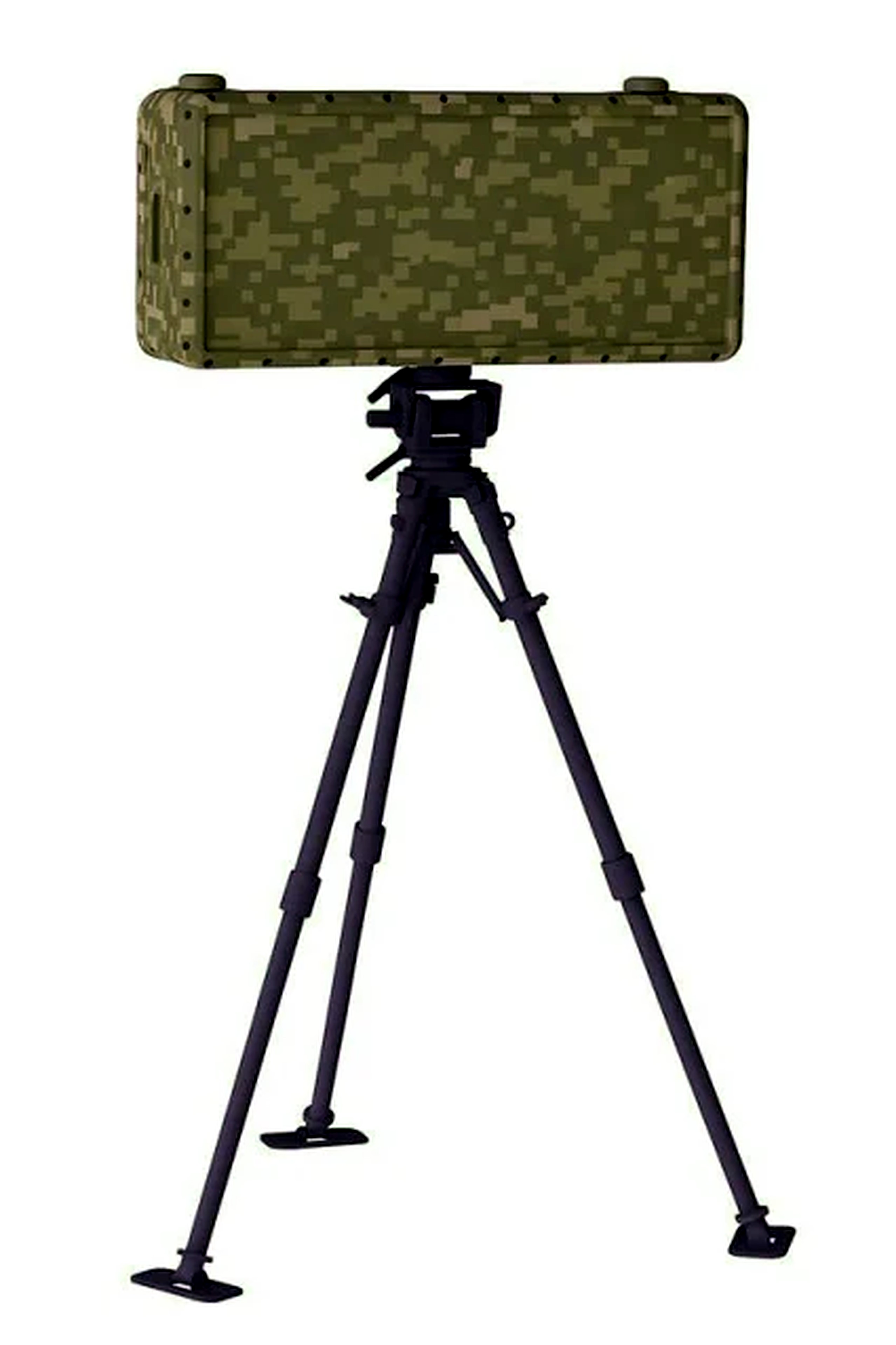
At the top of the range sits the newer RSR905, an electronically scanned X-band multi-mode ground surveillance radar with an instrumented range of 50 km. It can detect pedestrians at 15 km and armoured vehicles beyond 20 km, covers 200 square kilometres at once and classifies pedestrian and vehicle targets automatically. It can be tripod-mounted, carried on a vehicle or fixed, and is currently in production for a customer Reutech did not name.
Bielfeld said the radar market is highly competitive, but that Reutech’s speed of production, price and quality give it an edge. The company owns its intellectual property and its radars are not subject to United States International Traffic in Arms Regulations (ITAR), which removes a hurdle for export customers.
From Kruger to the Border Line
The new family builds on the RSR904, the radar at the heart of the Meerkat wide area surveillance system that has been used against wildlife poaching in the Kruger National Park since 2017. The Council for Scientific and Industrial Research has since developed a new ground-based surveillance and classification radar to integrate with Meerkat. With poaching, illegal mining and cross-border smuggling all straining African security forces, cheap radars that can watch a perimeter around the clock and hand targets to cameras or patrols offer a practical way to stretch limited manpower, and Reutech is betting that low price and freedom from ITAR will win it buyers beyond South Africa.