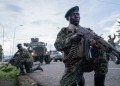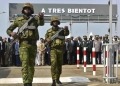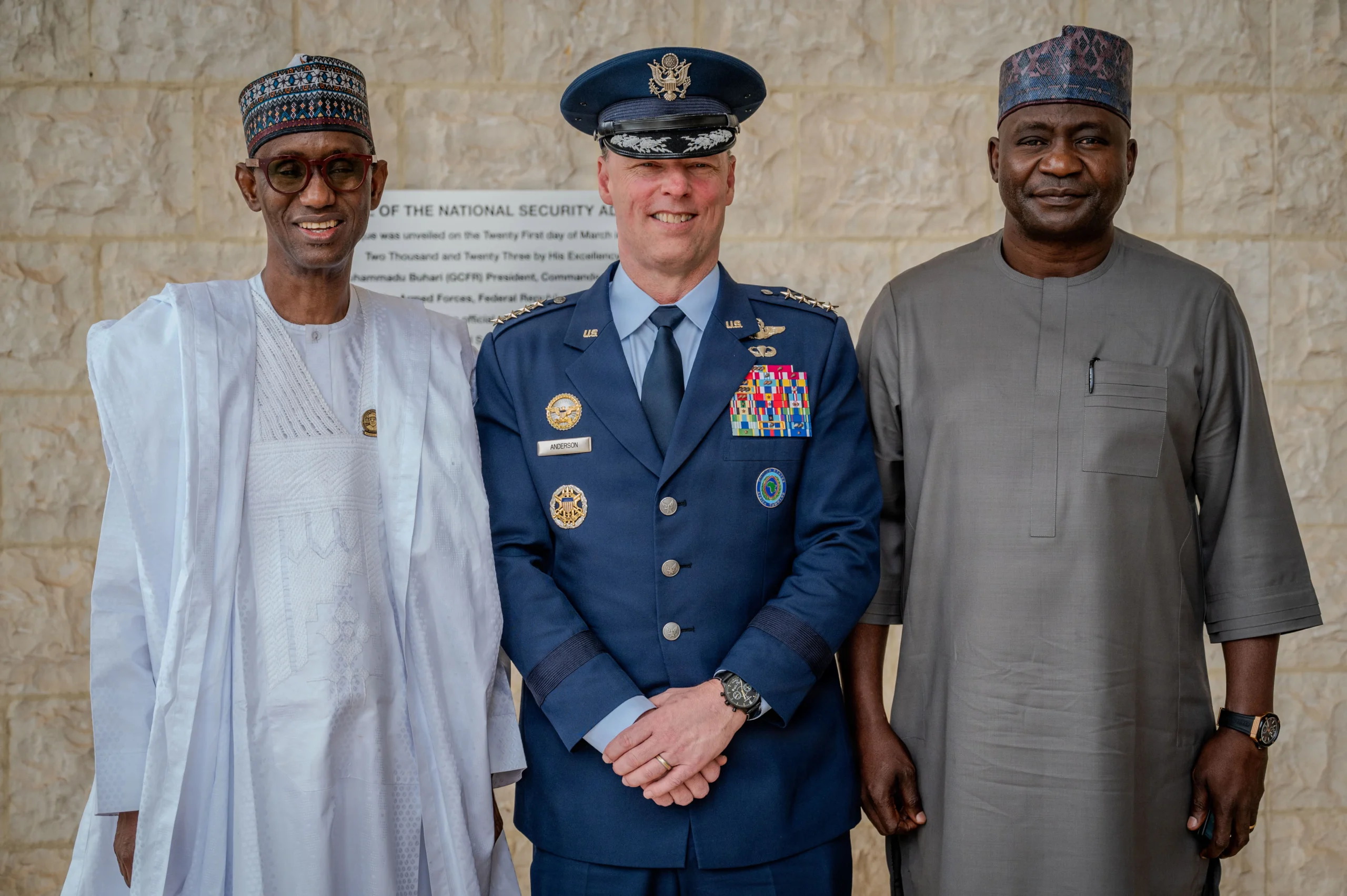
Nigeria’s Defence Minister, retired General Christopher Musa, said in Abuja on Monday 16 November 2026 that the armed forces are receiving real-time United States intelligence and satellite support to locate and strike militant leaders, and that more helicopters are on the way from the United States and Italy.
Speaking at a press briefing reported by Reuters, Musa said troops had killed several terrorist and bandit leaders in overnight operations in the north-west and north-east, and that near-daily missions were now being flown and fought on the back of better intelligence. “We took out a lot of the bandit leaders and the terrorists themselves,” he said, crediting US satellite imagery, intelligence sharing and training with improving the military’s ability to track and hit targets.
Eyes in Orbit Over the North
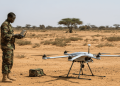
The minister did not describe the satellite products in detail, but his remarks confirm how far the intelligence relationship has moved in under a year. Washington ordered a strike on Islamic State fighters in Sokoto State on Christmas Day 2025, and the US resumed surveillance flights over Nigeria shortly afterwards. In February 2026 US Africa Command (AFRICOM) commander General Dagvin Anderson met Musa, National Security Adviser Nuhu Ribadu and the service chiefs in Abuja to discuss intelligence, surveillance and reconnaissance (ISR) support, and the Pentagon then sent about 200 personnel to the country. By April, Military Africa reported that MQ-9 Reaper drones were operating from Bauchi in support of Nigerian counter-insurgency missions.
The cooperation produced its most prominent result in May, when Nigerian and US forces killed Abu-Bilal al-Minuki in north-eastern Nigeria. President Donald Trump described him as the global second-in-command of the Islamic State group. Anderson returned to Nigeria in late October and told the AFRIDEX exhibition in Lagos that the country was a central pillar of regional security.
Musa said security agencies are also watching militant use of Starlink satellite terminals, cryptocurrencies and commercial drones, and are working with US authorities to disrupt financing networks. The US Embassy in Abuja did not immediately comment, according to Reuters.
More Helicopters From Washington and Rome
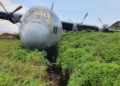
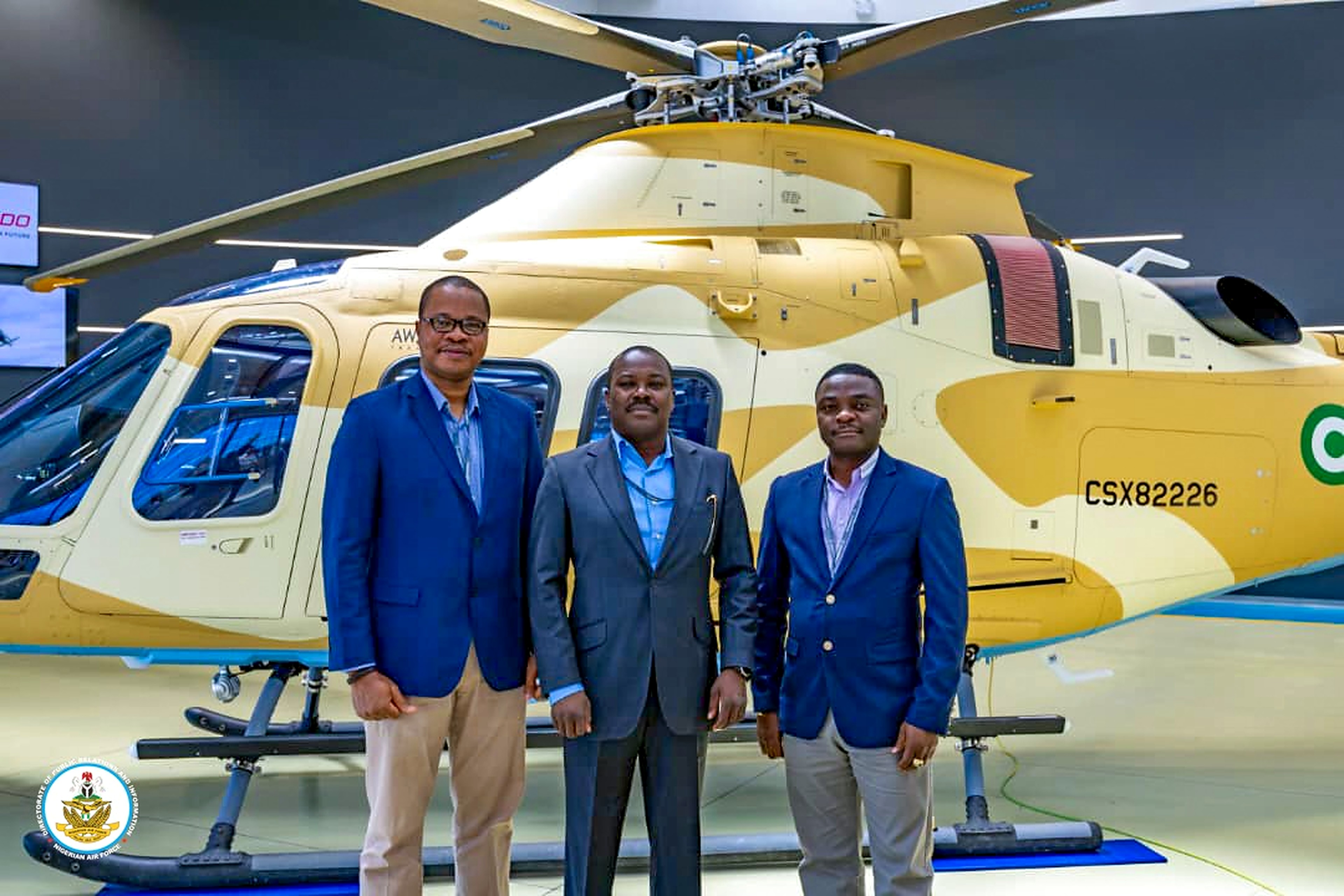
Musa said Nigeria expects additional helicopters from the United States and Italy, on top of air assets commissioned in recent weeks. He did not name the types, but two orders fit his description. In Italy, Leonardo is delivering ten AW109 Trekker light twin-engine helicopters to the Nigerian Air Force (NAF). Three were formally accepted in Lagos in October after in-house reassembly, and the service has said the remaining seven are due before the end of 2026. The Trekker can be fitted for ISR, close air support, armed escort or combat search and rescue.
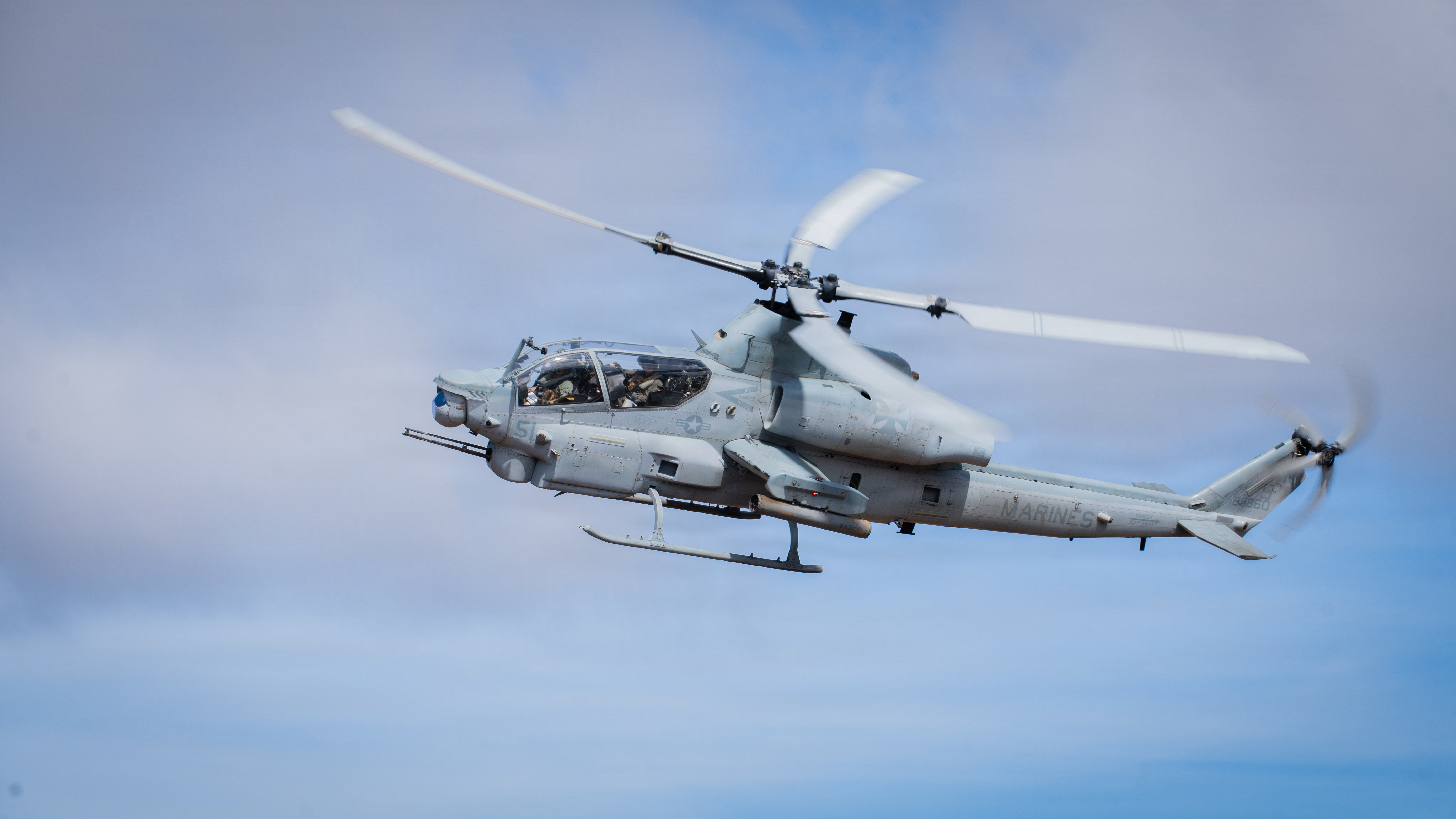
From the United States, Bell has begun building the first of 12 AH-1Z Viper attack helicopters for the NAF in Texas, with deliveries scheduled to run into early 2029. The Viper is a twin-engine gunship armed with a 20 mm three-barrel cannon and able to carry Hellfire missiles, 70 mm rockets and air-to-air missiles. The two programmes sit beside other recent additions, including two Airbus H125 helicopters accepted in October, 24 Leonardo M-346FA fighter-attack jets on order, and plans for six more T129 ATAK helicopters and Aksungur and CH-4D drones.
A 5 km Right of Pursuit
Musa also said Nigeria has agreed a 5 kilometre cross-border “right of pursuit” with Cameroon, Niger and Chad, allowing troops to chase militants and bandits a short distance into neighbouring territory. The arrangement matters most on the Niger frontier, where relations cooled after the 2023 coup in Niamey and where Abuja has more recently sought to work with the Alliance of Sahel States on the Multinational Joint Task Force. Benin, whose northern border is also used by armed groups, is not among the three countries named.
Militants and bandits, Musa said, use dense forest and porous borders with Niger and Benin to escape after attacks, though better surveillance has made it harder for them to move through difficult terrain. He warned that Islamic State Sahel is trying to recruit criminal gangs in the north-west, raising the risk that profit-driven bandit groups could become ideologically driven insurgents similar to Islamic State West Africa Province (ISWAP) in the north-east. “We don’t want them to develop that capacity,” he said. “We’re blocking the logistics and taking them out from within Nigeria.”
Securing the January Vote
The briefing came as attacks on military positions by Boko Haram and ISWAP have surged in recent weeks, despite 17 years of operations against the insurgency in the north-east. Musa said security agencies are stepping up intelligence-led operations to prevent violence before, during and after the general elections in January 2027, in which President Bola Tinubu is seeking a second four-year term.
That puts the new helicopters and the US intelligence feed on a tight timeline. The remaining Trekkers are due within weeks, while the Vipers will not arrive until well after the vote. Funding is another pressure point: Military Africa has reported that personnel costs take about 76% of Nigeria’s 2026 defence budget, leaving limited room for equipment and training. For the coming months, satellite imagery and intelligence from Washington are likely to shape where Nigeria’s existing fleet of helicopters, drones and strike aircraft is sent.