
Türkiye’s Ambassador to Nigeria, Mehmet Poroy, told a press briefing in Abuja on Monday, 9 November 2026, that Nigeria is using Turkish attack helicopters and drones against armed groups in the north, and that Ankara plans to set up local defence production and a permanent military training facility in the country. The briefing marked 66 years of diplomatic relations between the two states.
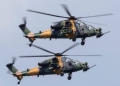
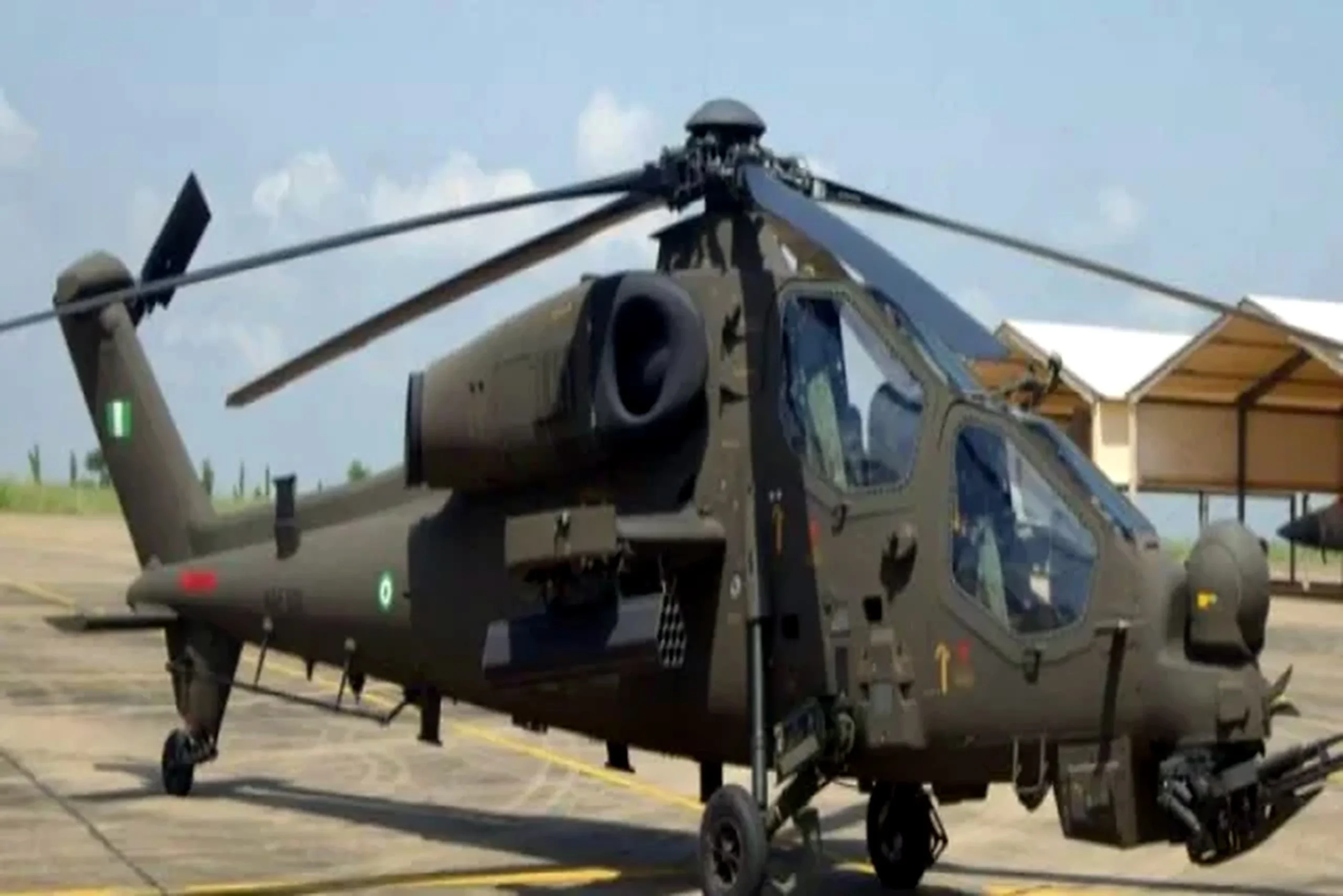
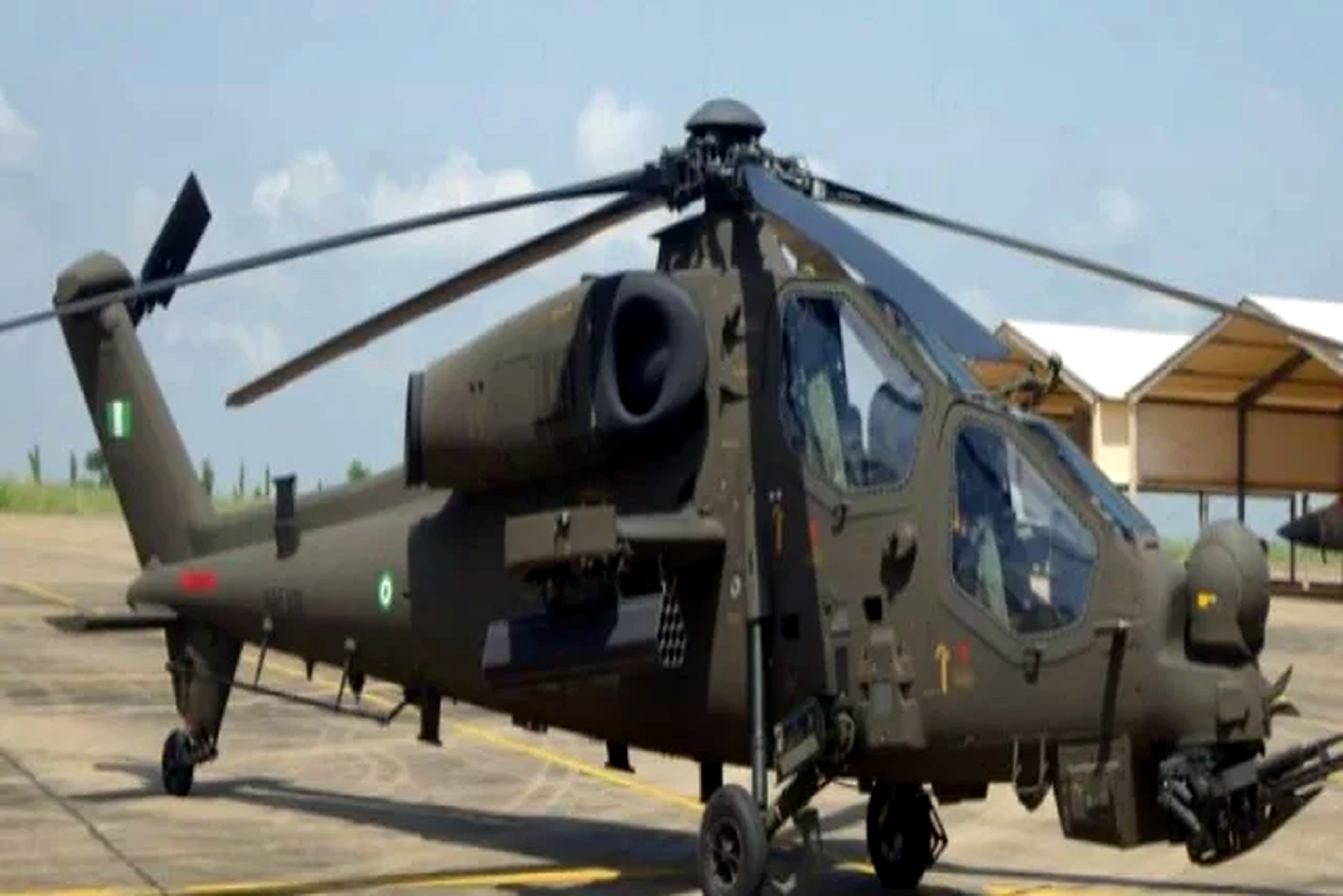
“The Nigerian Army uses Turkish attack helicopters and Turkish drones in its fights against insecurity, especially in the north of Nigeria,” Poroy said, according to Daily Trust. Nigeria’s Turkish-built T129 ATAK attack helicopters are in fact flown by the Nigerian Air Force (NAF), which conducts air support for Army-led ground operations.
From buying to building
Poroy said Türkiye would continue to supply tools, equipment and arms, but was also exploring “the possibility of having local production here in Nigeria”. “We are planning to have some local production unit also in that context,” he said, as reported by Naija News. He did not name the companies, the systems that would be built or a timeline.
The plan follows the path the two governments set in 2026. President Bola Tinubu’s state visit to Ankara in January produced nine agreements and memoranda of understanding (MoUs), including a defence cooperation agreement. In August, the 7th Defence Industry Cooperation Committee met in Abuja, where Defence Minister General Christopher Musa (retd) said Nigeria must move beyond a buyer-seller relationship towards joint production, research and maintenance, repair and overhaul (MRO).
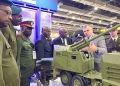
Industrial links are already forming. Turkish firm DASAL Aviation Technologies signed a framework deal with Nigeria’s NIGUS in May 2026 covering loitering munitions and multi-rotor drones with local assembly and MRO, and HAVELSAN signed an MoU with the Defence Industries Corporation of Nigeria (DICON) at AFRIDEX 2026 in Lagos covering command and control, simulation and unmanned systems. DICON’s Director General, Major General Babatunde Ibrahim Alaya, told defenceWeb that the exhibition produced agreements with two Turkish companies and one Ukrainian company.
The Turkish aircraft in Nigerian service
Nigeria ordered six T129 ATAK helicopters from Turkish Aerospace (TUSAŞ) in July 2022. The first two arrived in November 2023 and were inducted at Makurdi in February 2024, and open-source trackers list all six as received. The twin-engine gunship carries a 20 mm cannon and can be armed with 70 mm rockets, Cirit laser-guided rockets, UMTAS anti-tank missiles and Stinger air-to-air missiles.
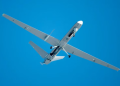
More are expected. In an infographic released on 25 October 2026, the NAF listed six additional T129s and 12 TUSAŞ Aksungur medium-altitude, long-endurance drones among its “additional expected aircraft”, as Military Africa reported at the time. No contract value or delivery schedule has been published for either type. At sea, the Nigerian Navy brought the AYBARS-2 tactical drone from Türkiye’s BMS Defence Technologies into service in January 2026, part of a wider fleet renewal marked at the service’s 70th anniversary.
Training on Nigerian soil
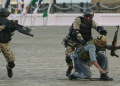
Poroy said 200 Nigerian special forces personnel were completing a two-month counter-terrorism training programme in Türkiye. Military Africa reported in September that Turkish training for more than 200 Nigerian special forces personnel had grown out of the January agreements; the ambassador did not say whether the group now finishing is the same cohort or a new one.
The next step is a training facility in Nigeria, which Poroy said the Nigerian defence minister had already announced, where Turkish officers would instruct Nigerian troops on a continuous basis. “Not all the military personnel will be carried to Turkey,” he said. He also pointed to Türkiye’s own campaign against armed groups: “Forty years. We have lost more than 40,000 people and have spent billions of dollars in our fight against terrorism,” he told reporters, according to Vanguard, adding that Ankara had “increased our bilateral military training assistance to the Nigerian Army.”
Trade and the wider Turkish push
The ambassador set a target of $5 billion in bilateral trade, up from about $2 billion today including oil and gas. Turkish investment in Africa exceeds $10 billion, he said, but is below $1 billion in Nigeria.
Nigeria is one of several African states where Turkish equipment has gained ground. Stockholm International Peace Research Institute (SIPRI) data show West African arms imports rising while the continental total falls, with Türkiye a growing supplier, and Turkish firms were prominent at both AFRIDEX in Lagos and BAMEX in Bamako, where Baykar showed the KIZILELMA in Malian colours.
Keeping the gunships flying
For the NAF, local production and training matter as much for sustainment as for new purchases. The service now flies attack helicopters and drones from Türkiye, China, the United States and Italy at once, each with its own spares, weapons and software. A Turkish production unit and an in-country training centre would shorten the supply chain for the T129 and any future Aksungur fleet, but only if the ambassador’s plans turn into named contracts, sites and dates.