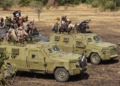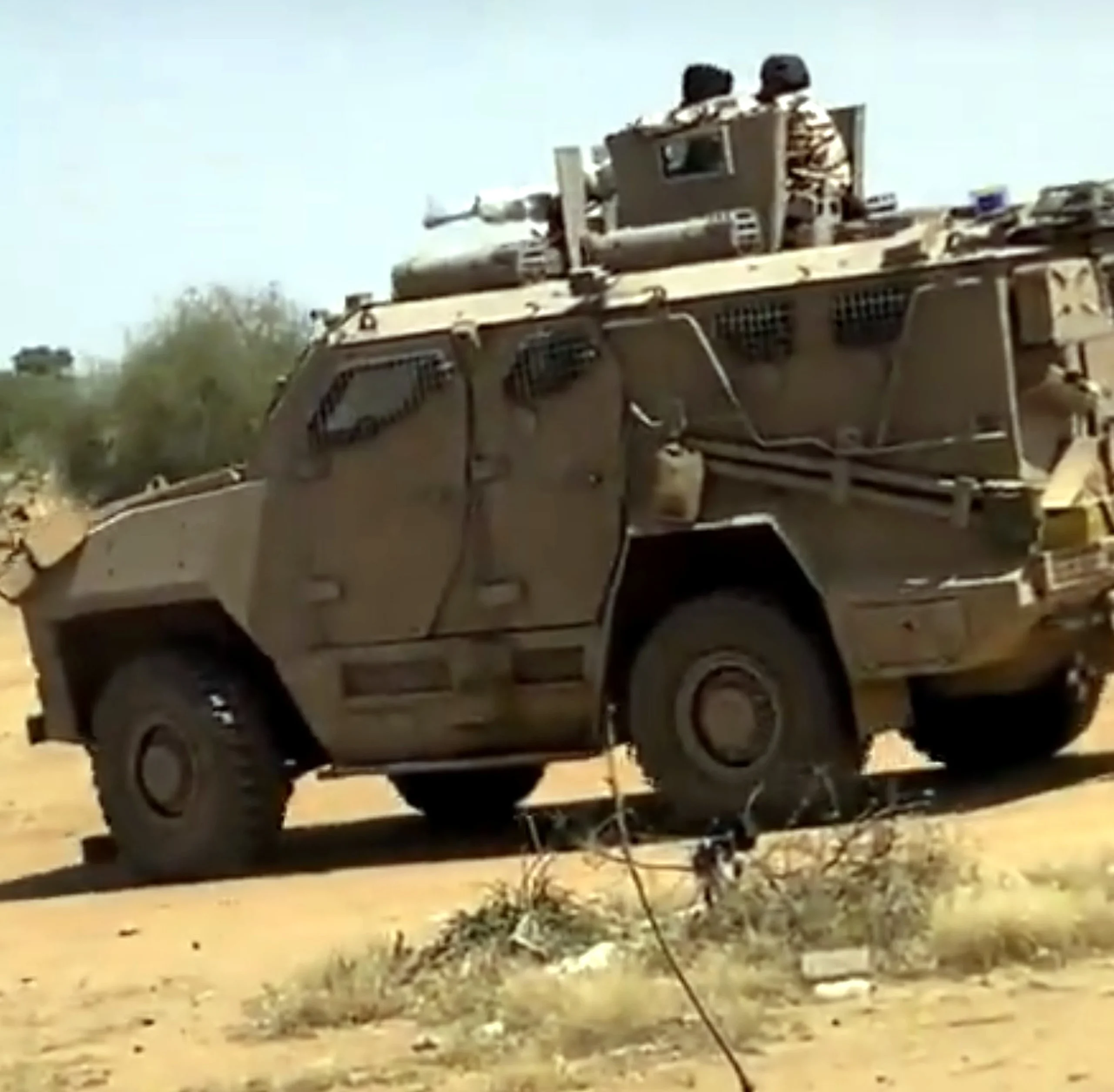
The Chadian National Army is operating Turkish-made BMC Vuran 4×4 armoured vehicles in eastern Chad, according to footage shared online by Mahamat M Adam Bechir. The video shows at least one Vuran moving along a dirt track through scrubland, with two soldiers in Chadian camouflage manning its roof weapon position.
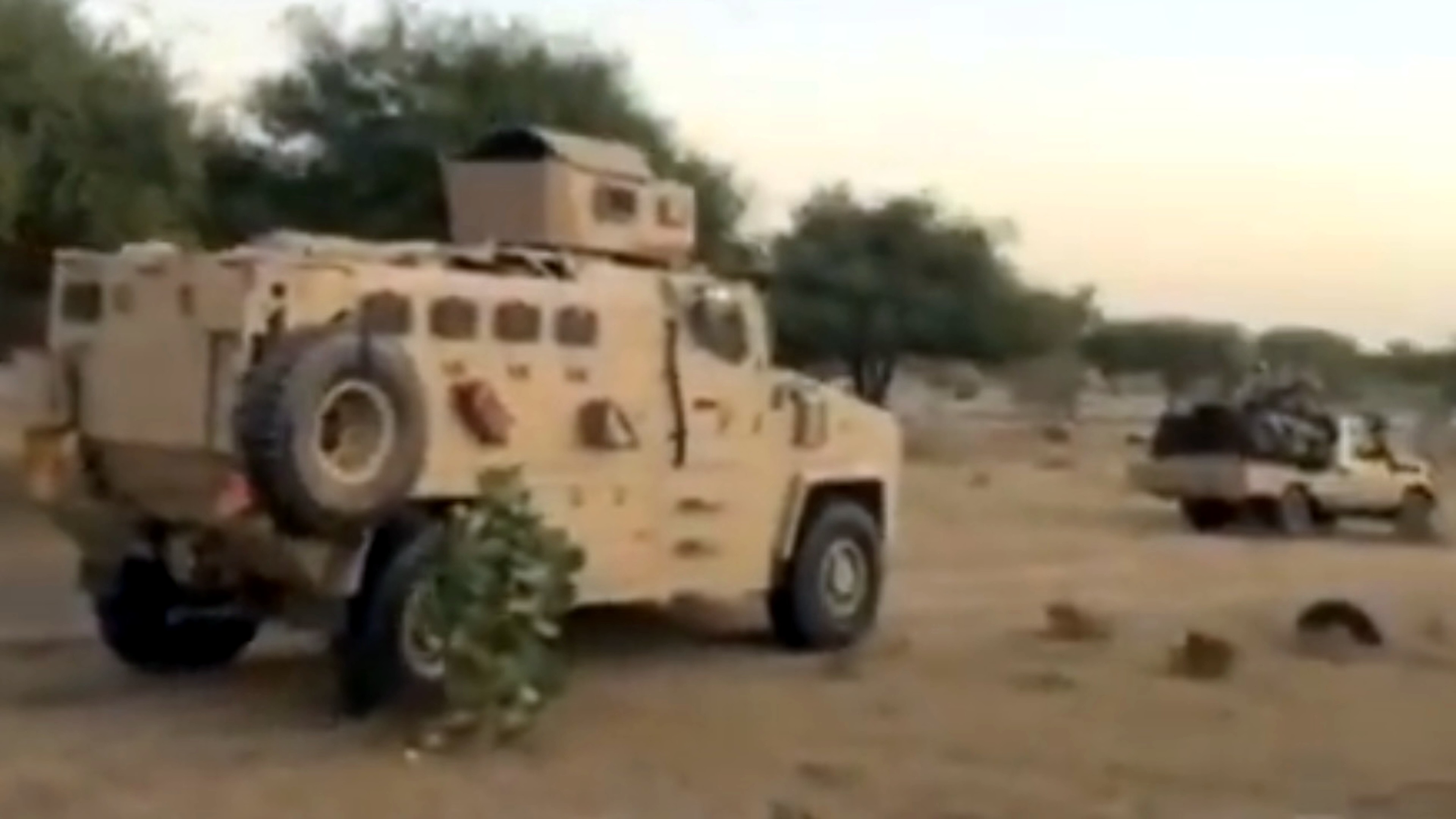
Little else is known. The footage carries no date or exact location, neither N’Djamena nor BMC has announced a sale, and the number of vehicles in Chadian service is unclear. A second, sand-coloured armoured 4×4 appears in the same video travelling with a loaded pickup truck, a familiar sight in Chadian army columns, but it is filmed from the rear and its type cannot be confirmed from the footage alone. The Vuran’s appearance makes Chad the latest African user of the type, after Tunisia and Libya.
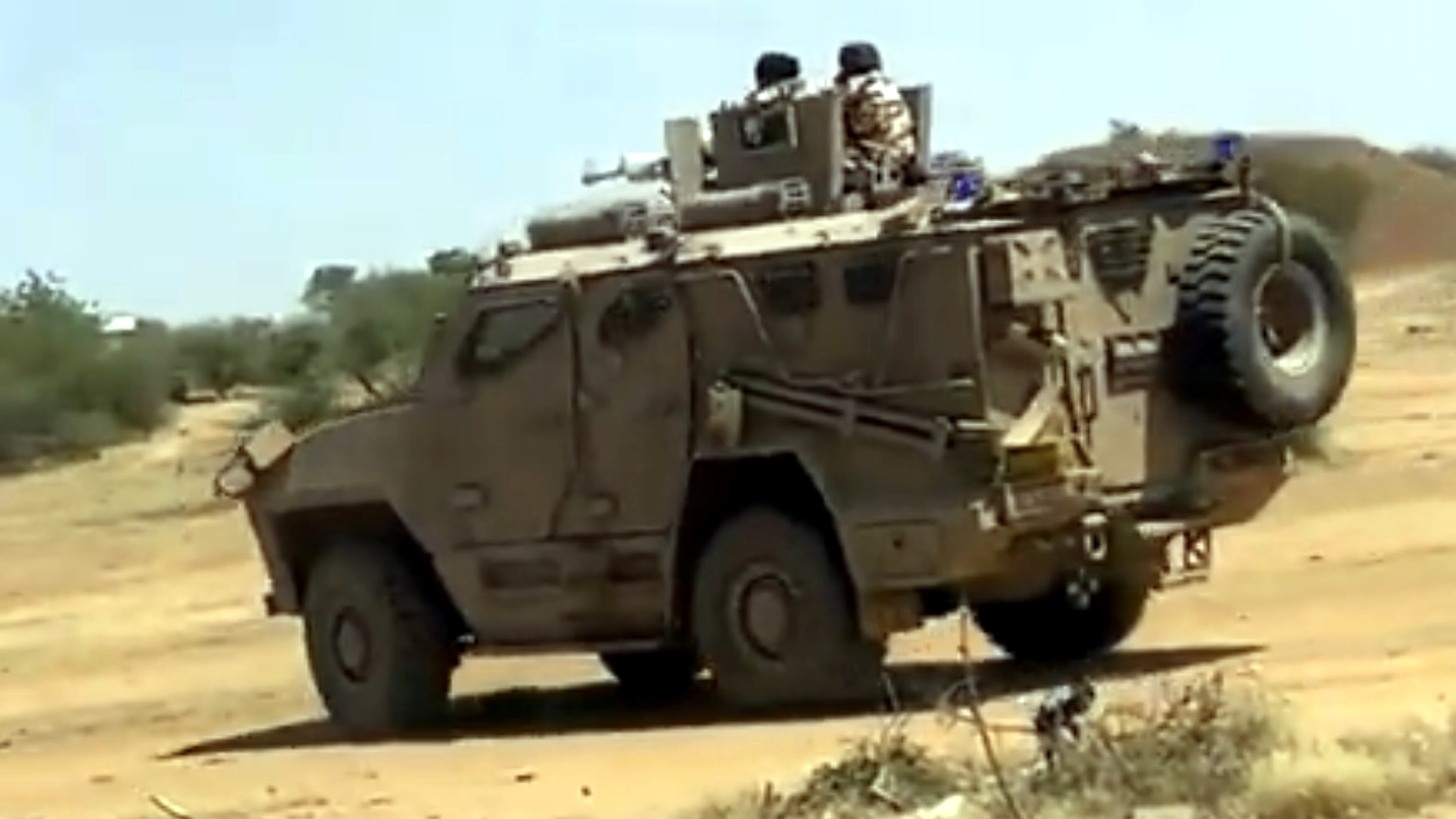
The BMC Vuran in profile
The Vuran is a multi-purpose armoured vehicle (MPAV) built by BMC Otomotiv of Türkiye and sits between the company’s smaller AMAZON and the larger Kirpi mine-resistant ambush-protected (MRAP) vehicle. It entered Turkish Land Forces service in 2019, and the Turkish army has ordered more than 500, alongside further orders for the Gendarmerie and the national police special operations units.
According to BMC’s published specifications, the standard Vuran has a gross vehicle weight of 21 tonnes and carries up to nine personnel. A Cummins ISL diesel of 375 metric horsepower (275 kilowatts) gives a top speed of 110 kilometres per hour and a range of about 600 kilometres, and the vehicle can climb a 60 per cent gradient. A newer variant uses Türkiye’s own TUNA engine and is credited with a range of 1,000 kilometres at 60 kilometres per hour. Protection is rated to North Atlantic Treaty Organization (NATO) STANAG 4569 standards against ballistic, mine and improvised explosive device (IED) threats, at Level 3 according to most published sources, with a V-shaped hull that deflects blast away from the crew compartment.
Armament options range from manual mounts for 7.62 mm or 12.7 mm machine guns to the Aselsan SARP remote weapon station, and BMC also offers the hull as a 120 mm mortar carrier, a multiple rocket launcher and a carrier for the SUNGUR short-range air defence system. The Chadian vehicle in the footage appears to use a manually operated roof position protected by gun shields, a simpler fit suited to an army that values ease of maintenance.
A growing Turkish fleet in Chad
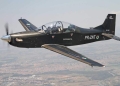
The Vuran joins a substantial stock of Turkish equipment in Chadian service. Military Africa first reported Chad’s Nurol Makina Ejder Yalçın 4×4s in 2021, followed by an additional batch in early 2022 and the lighter Nurol Yörük the same year. In the air, Chad ordered Hürkuş light combat aircraft, took ANKA-S drones and revealed Aksungur drones in 2024. In February 2025, Military Africa reported that Türkiye was taking over the Abéché military base in eastern Chad, vacated after French forces left the country.
Not every Turkish purchase has been a success. ADF Magazine reported in July 2026 that Chad found its Turkish drones too expensive to operate. Wheeled armour is a cheaper proposition, and BMC’s vehicles share commercial drivetrain parts that make them easier to keep running far from N’Djamena.
Chad continues to buy widely. Its army fields Ukrainian BMP-1U and BTR-3E vehicles, Russian Spartak 4×4s and Chinese Type 59G tanks, as well as Emirati MCAV-20s, Nigerian Proforce Ara MRAPs and Terrier armoured vehicles. More recently, France’s Arquus won a contract worth more than €50 million to renew the army’s logistics fleet, Chad and France signed a declaration of intent on defence cooperation in October, and President Mahamat Idriss Déby created the state-owned Sahel Defence Industry to start domestic arms production.
Pressure on the Sudanese frontier
Eastern Chad has become the army’s most demanding theatre because of the war in neighbouring Sudan. Chad closed its border with Sudan in February 2026 after clashes linked to the conflict killed five Chadian soldiers. In March, a drone strike from Sudan killed 17 people at a funeral in the border town of Al-Tina, and Déby ordered the army to prepare to retaliate, calling the attack “outrageous and a blatant aggression”, ADF Magazine reported. Days later, Reuters reported that authorities had begun moving about 2,300 Sudanese refugees away from the border in Ennedi Est province as troops deployed. More than 15,000 soldiers from the Chadian army and the Joint Force are now stationed along the 1,400-kilometre frontier, according to ADF Magazine, digging trenches and building earth barriers around border towns.
That environment explains the choice of vehicle. Drone strikes, mines and ambushes on long desert routes all favour a protected vehicle with a crew compartment that can survive blasts, while the Vuran’s range lets patrols cover the vast distances between Abéché, Adré and the Ennedi border posts without frequent refuelling.
Protected mobility for the eastern front
Chad built its military reputation on fast pickup trucks, most famously in the Toyota War against Libya in 1987, and the technical remains the backbone of its desert columns. The Vuran footage suggests that N’Djamena is slowly adding a protected layer to that model, pairing light vehicles with armour that can absorb the mines and drones now common along the Sudanese border.
Questions remain over how many Vurans Chad has received, when they arrived and whether they were bought directly from BMC or supplied through Turkish military assistance. With Türkiye already established at Abéché and Turkish industry courting Sahel buyers at events such as BAMEX 2026 in Bamako, further deliveries to Chad’s eastern units would not be a surprise.