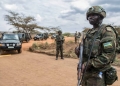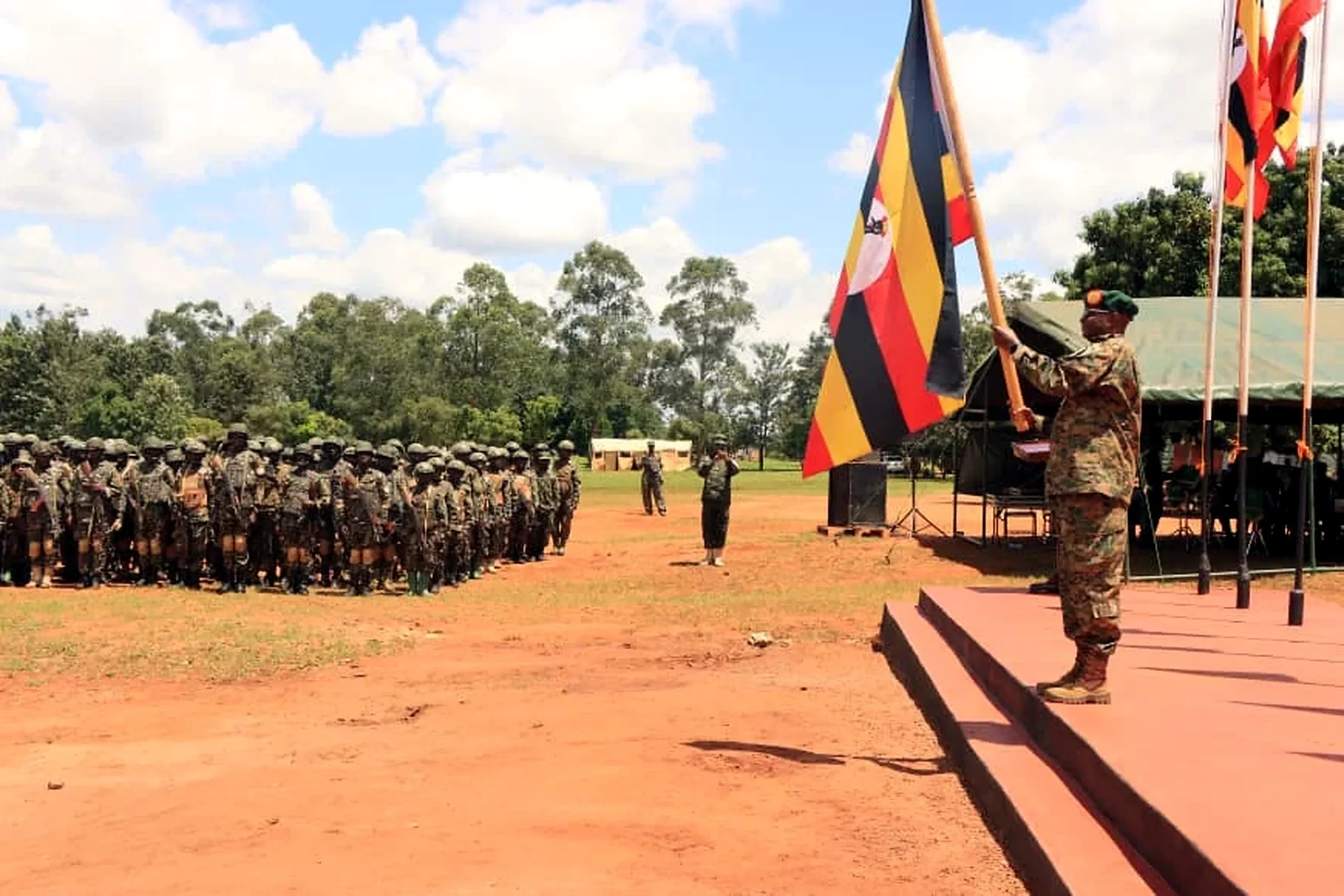
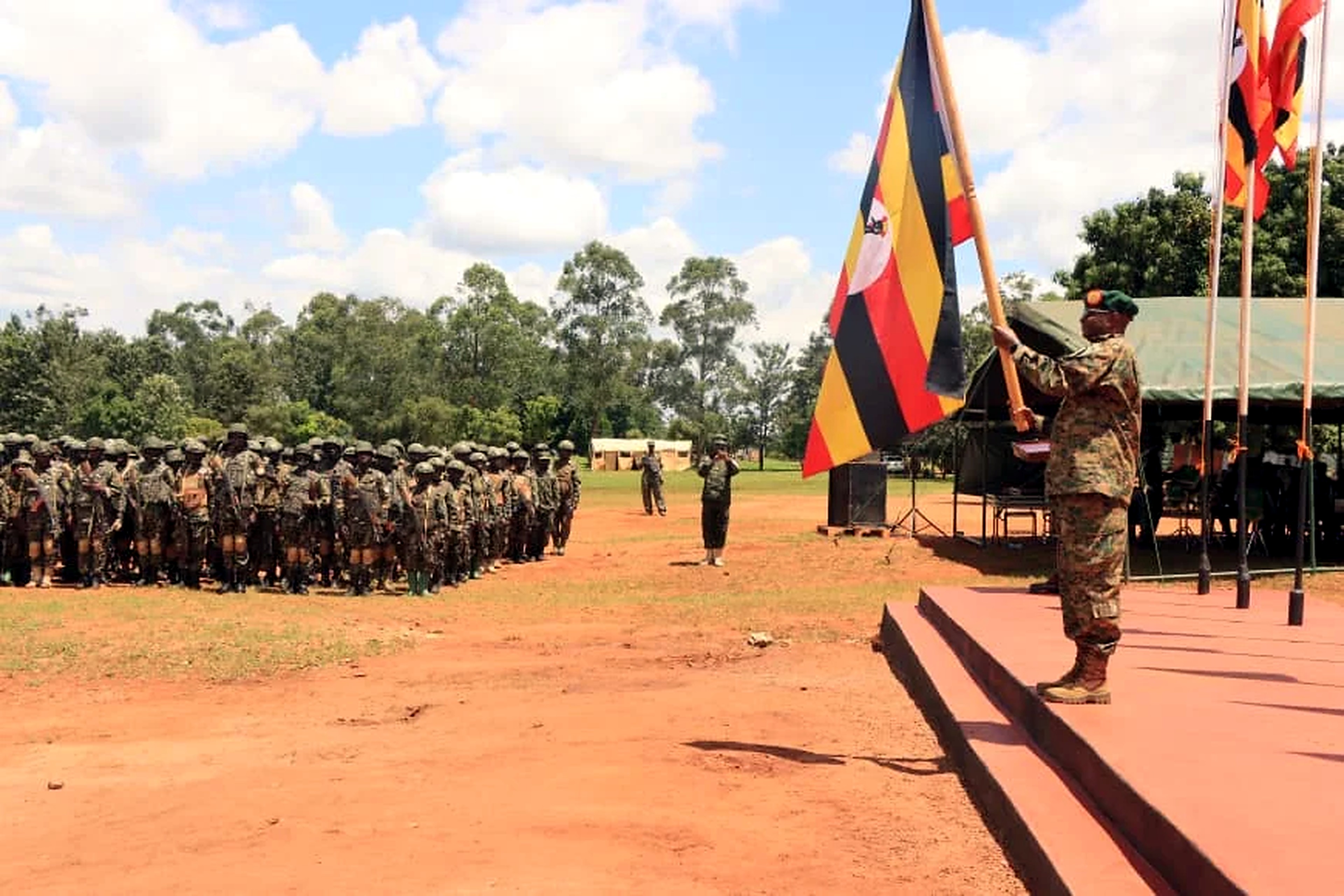
Uganda has begun withdrawing its troops from Somalia after almost two decades in the country, the chief of the Uganda People’s Defence Forces (UPDF), General Muhoozi Kainerugaba, announced on 29 October 2026. At around the same time, United States forces left Baledogle Military Airfield in the Lower Shabelle region, one of the most important American outposts in Somalia, FDD’s Long War Journal reported on 10 November. Together, the two departures leave the Somali National Army (SNA) with a heavier load against al-Shabaab, al-Qaeda’s affiliate in East Africa, at a time of deep political division in Mogadishu.
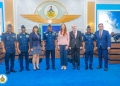
Kainerugaba, the son of President Yoweri Museveni, ordered the withdrawal in a post on X that was later deleted. It came days after Museveni met Somali President Hassan Sheikh Mohamud to discuss Somalia’s security situation. On 2 November, the UPDF’s acting spokesman, Chris Magezi, said that “the Uganda People’s Defence Forces [UPDF] will gradually withdraw all its forces in Somalia, including those currently deployed under the African Union Support and Stabilization Mission in Somalia (AUSSOM) by the close of 2027.”
Bilateral Troops First, AU Contingent Next Year
Uganda has about 6,500 soldiers in Somalia. Around 4,500 serve with AUSSOM and roughly 2,000 are deployed under bilateral agreements with Mogadishu. The drawdown is reported to begin with the bilaterally deployed troops, while the AU contingent starts leaving next year. Magezi said the first cohort had already returned home. Unless new agreements are reached with both the African Union (AU) and the Somali government, all Ugandan forces are expected to be gone by the end of 2027.
The timetable has shifted since Military Africa reported in September that Kampala had set 1 August 2027 as a final deadline, and only weeks after Defence Minister Kiryowa Kiwanuka said in August that Ugandan forces would stay under a bilateral pact even if AUSSOM wound down. Rotations have continued in the meantime: on 30 October the UPDF flagged off Battle Group 48 after nearly five months of pre-deployment training at the International Peace Support Operations Training Centre in Singo, Nakaseke District, as part of a scheduled rotation supporting the AU mission, following the earlier handover reported in October.
Uganda was the first country to send troops to Somalia in 2007 under the then African Union Mission in Somalia (AMISOM). The UPDF played a central part in driving al-Shabaab out of Mogadishu in 2011 and has since been responsible for the Banadir Region, which includes the capital, and for Lower Shabelle, where it has fought hard battles against the group. Museveni and other Ugandan officials have repeatedly criticised the political turmoil in Mogadishu, while US moves to cut funding for the United Nations (UN) logistics that support the AU mission have added to doubts in Kampala. The UN political mission in Mogadishu closed days after Kainerugaba’s posts.
Americans Leave Baledogle
Baledogle lies about 90 kilometres north-west of Mogadishu and has long served as a hub for US intelligence gathering, drone operations and the training of Somali forces, including the Danab special forces brigade. The Somali outlet Horn Observer first reported that American troops left in late October, handing the base to the UPDF and the SNA. US officials later told Task & Purpose that the troops had relocated elsewhere in Somalia and could return, although no plans have been announced. United States Africa Command (AFRICOM) did not directly address the move, telling Stars and Stripes that “in the interest of maintaining operational security, we do not discuss details of ongoing operations” and that the command “repositions its forces to optimize for ongoing counterterror operations.”
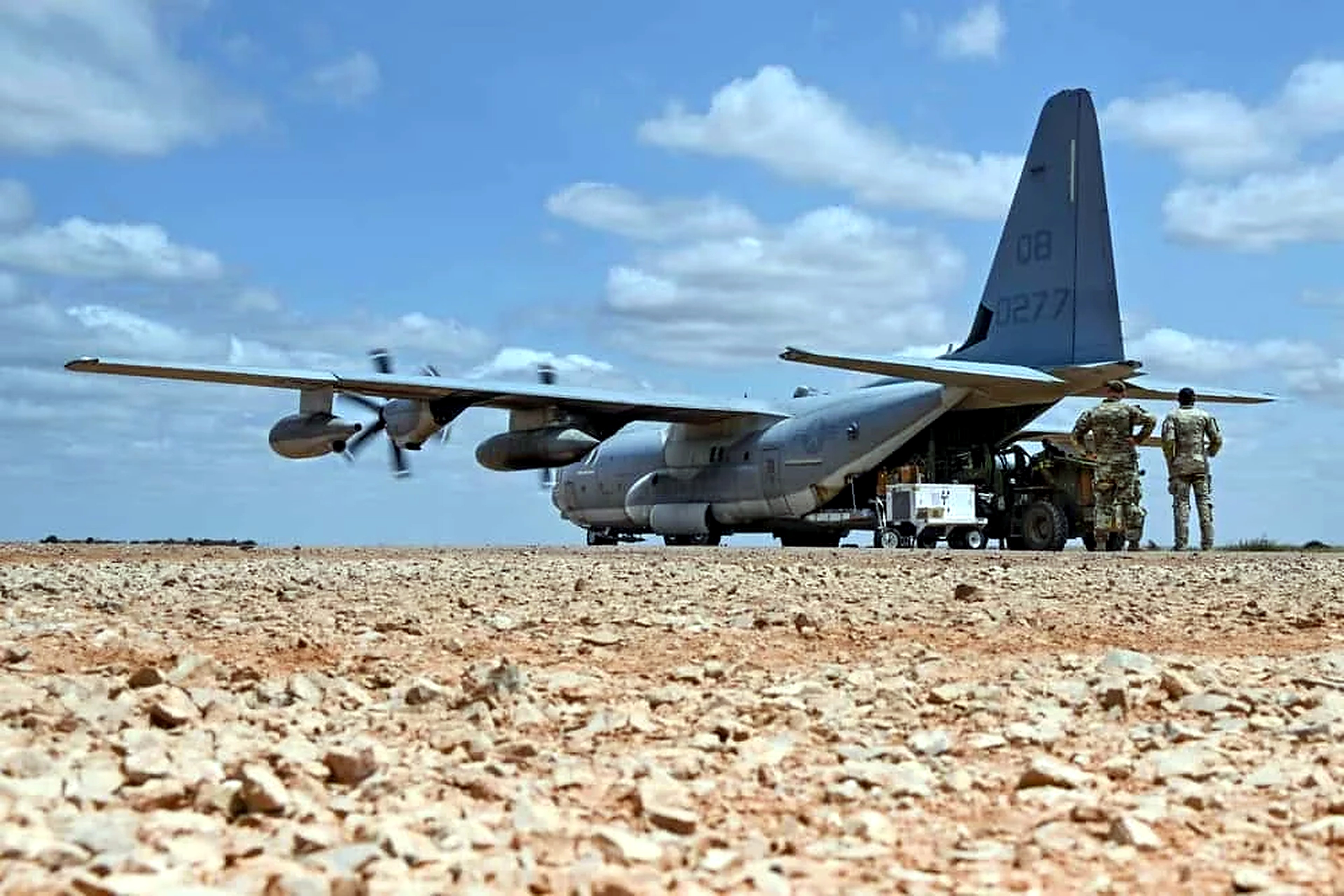
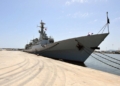
The departure reverses plans made only last year. In May 2025, Combined Joint Task Force-Horn of Africa announced a new medical facility and housing and security improvements at Baledogle to develop it “as an enduring location”. Turkish forces in Somalia have already visited the former US base and are reported to be interested in taking it over and expanding it, which could complicate any American return. Türkiye already runs its largest overseas military base and training complex in Mogadishu and has sent frigates with military supplies under its 2024 defence pact with Somalia.
The move does not signal a wider US exit. Washington is building military ties and infrastructure in Jubaland and Puntland, whose leaders are at odds with President Mohamud, and AFRICOM has kept up its air campaign. It announced a strike on al-Shabaab in Lower Shabelle on 5 November, after a mid-October strike on the group in Puntland, and has shifted its focus back to al-Shabaab this year after concentrating on the Islamic State in Puntland in 2025. Military Africa has tracked 88 AFRICOM airstrikes in Somalia in 2026 as foreign forces take on bigger roles outside the AU mission.
Pressure on the Somali National Army
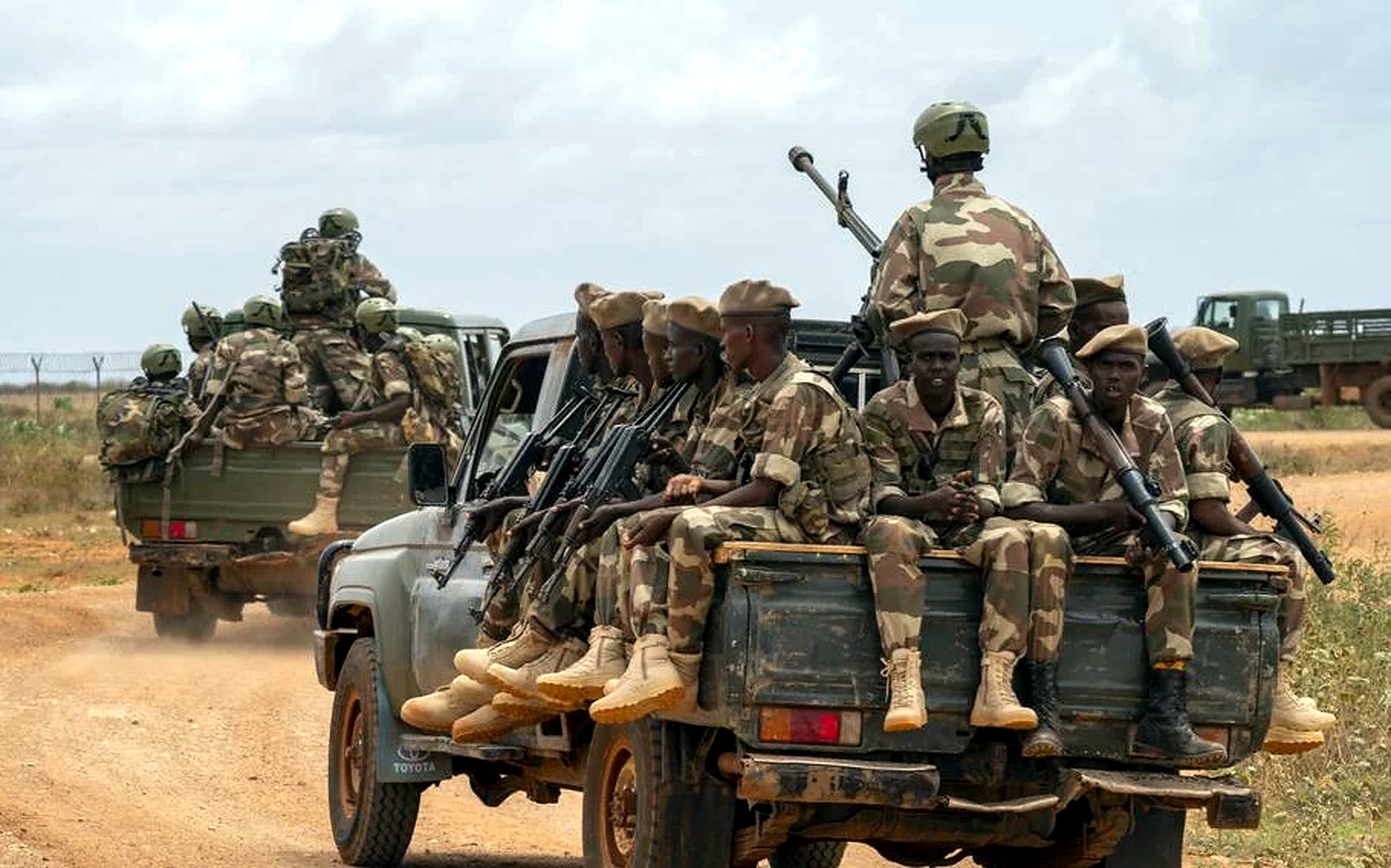
Losing the UPDF will put strain on the SNA, which has struggled to hold ground where al-Shabaab is active, above all in Lower Shabelle. On 26 October, al-Shabaab claimed to have killed hundreds of Somali soldiers in an ambush near Leego, close to the boundary between Lower Shabelle and Bay, using suicide car bombs and explosive-laden drones. The claimed death toll has not been independently verified.
Uganda’s move also comes as Ethiopia plans to withdraw about 3,000 troops from Somalia amid fighting at home, as Burundi’s future presence remains uncertain, and as Mogadishu remains locked in disputes with several federal member states. Each departure removes experienced troops from the forward bases that ring the capital and the Shabelle valley.
Who Holds Lower Shabelle in 2028?
The next year will decide whether Somalia’s own forces can take over the sectors Uganda has held since 2007. The SNA will need to absorb Banadir and Lower Shabelle while al-Shabaab tests it with drones and vehicle bombs, and while funding for the AU mission remains unsettled. Türkiye’s interest in Baledogle and Washington’s turn towards Jubaland and Puntland suggest that outside support will continue, but increasingly through bilateral deals rather than a single African Union framework. How Mogadishu manages that shift, and whether Kampala agrees to any new arrangement before its last troops leave, will shape the security of southern Somalia for years to come.