Israel’s Mer Group has secured a series of contracts worth about €46 million ($53 million) from government entities in an unnamed West African country, expanding its footprint in intelligence, cyber defence and homeland security as governments grapple with fast-changing threats driven by artificial intelligence (AI). The company announced the deal on 10 November 2026; it is the second West African award the Tel Aviv-listed group has disclosed this year, after a €32 million agreement for homeland security, aerial and intelligence solutions announced in May.
Intelligence systems and protected infrastructure
The contracts were awarded to a wholly owned subsidiary, Athena Security Implementations, Mer Group’s homeland security arm, which specialises in integrating intelligence solutions into national security frameworks. They cover the supply of intelligence and cybersecurity capabilities, the modernisation of existing intelligence systems, and the modernisation and protection of strategic national infrastructure. The projects are expected to be carried out over about 24 months from the effective date of the agreements, depending on progress and the customer’s operational requirements, the company said, with a profit margin in line with its usual margins in the segment.
About €34 million of the contract value is expected to be backed by a financing agreement between the customer and a financing bank, which the company expects to be signed in the coming months, Israel Defense reported. Neither the country nor the bank has been named. Export credit financing of this kind is common in African security procurement, where governments spread the cost of large technology packages over several years.
Doctrine as well as technology
Athena works mainly with governments and security agencies, although it also supports companies facing similar security challenges. According to Athena chief executive Omer Lavie, its model starts with an assessment of a country’s intelligence and security vulnerabilities, followed by an integrated package built on Israeli operational experience and proven technologies.
“We don’t just deliver technology,” Lavie told Defense & Tech by The Jerusalem Post. “We provide doctrine, procedures, protocols and best practices, while improving the capabilities of the people operating those systems through training, mentoring, and professional development.”
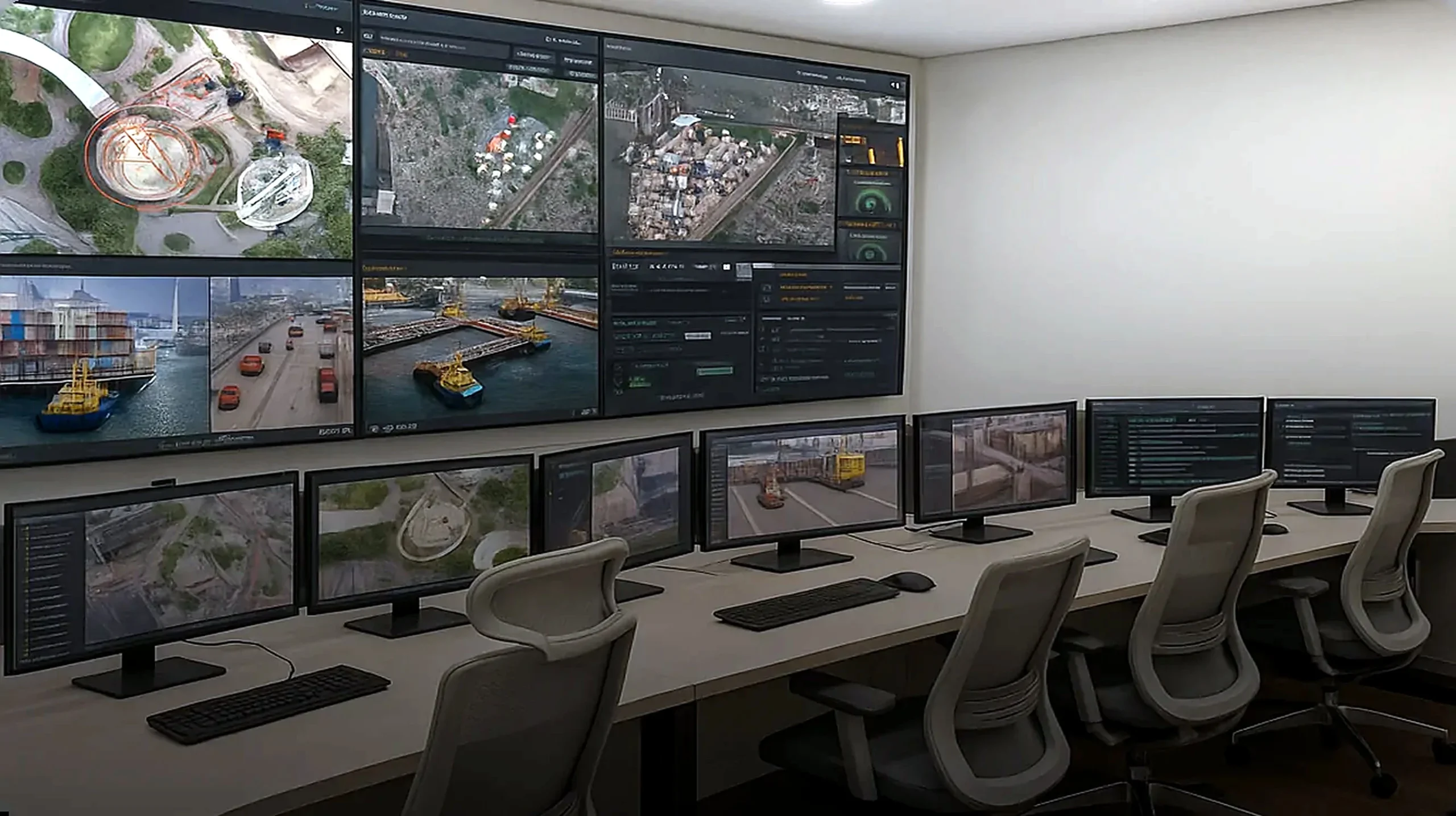
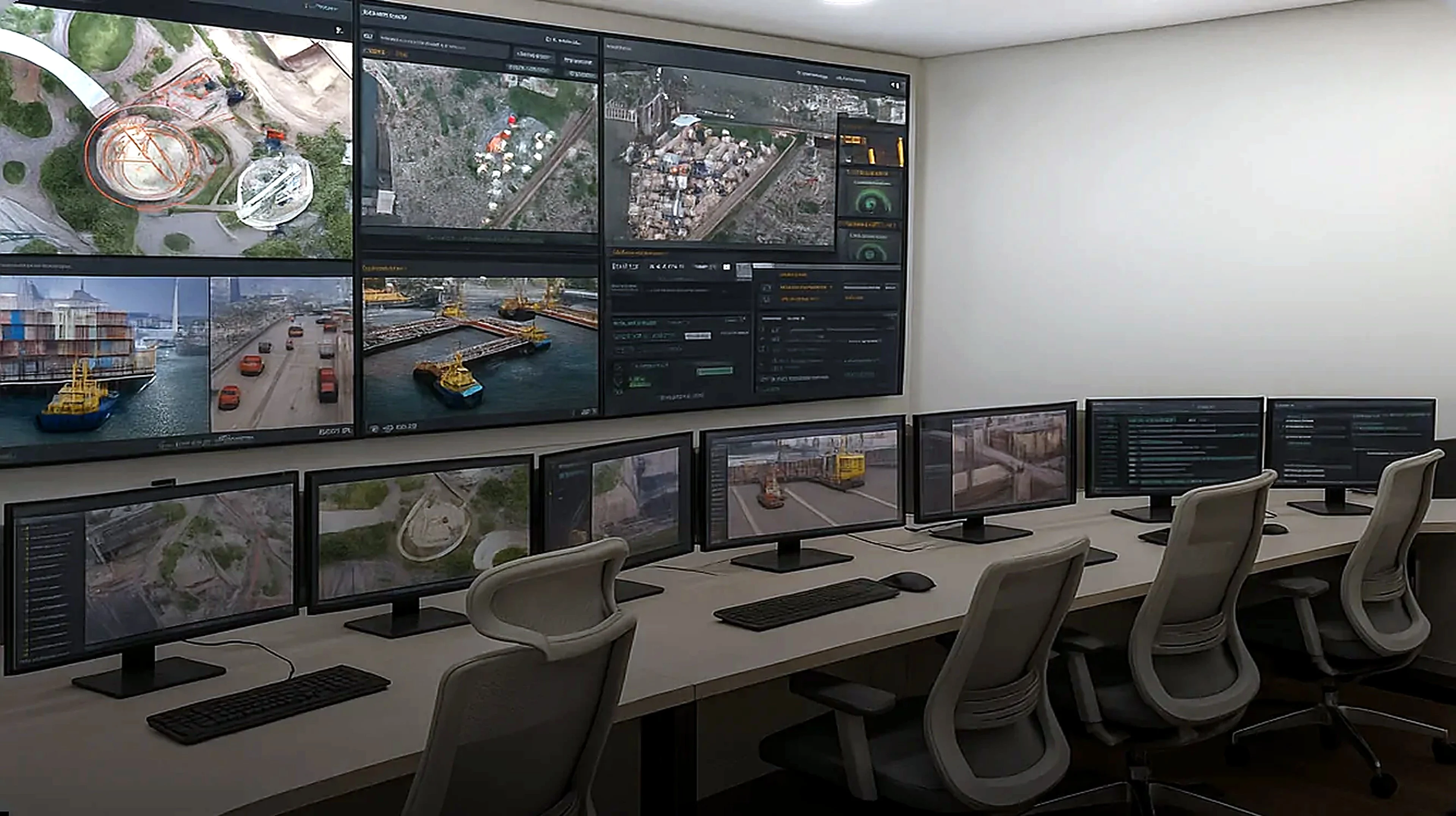
Mer Group’s own homeland security offering follows the same pattern. Its SMART-M command and control software is designed to bring electro-optical and infrared surveillance, perimeter and access control, licence plate and face recognition, AI video analytics and counter-drone sensors into a single interface, and the company sells training and knowledge transfer alongside the hardware.
AI changes the shape of the threat
The contracts come as governments worldwide confront the growing impact of AI on terrorism, intelligence collection and influence operations. “The main challenge for intelligence communities today is that AI has fundamentally changed the shape of the threat,” Lavie said. “It’s an arms race between governments and state-sponsored terrorist organizations, and in many cases terror groups have an advantage because they can adapt faster and are not constrained by regulations.”
One of the biggest changes, he said, is the disappearance of traditional barriers to recruitment and influence operations. AI lets terrorist organisations tailor messages across many languages and demographics and run large disinformation campaigns that can sway public opinion with increasingly convincing false content. “AI helps terrorist organizations recruit more efficiently, and intelligence agencies are going to have a very difficult challenge keeping up,” he said.
At the same time, Lavie argued that AI should be seen not as a revolutionary break from existing intelligence practice but as its next stage. “The more data and sensors a country possesses, the better AI will perform,” he said.
Fusing VISINT, SIGINT and HUMINT
Athena helps intelligence organisations adapt by reorganising their work into smaller, more agile operational units that can take up new technology quickly. The aim is to bring disciplines such as visual intelligence (VISINT), signals intelligence (SIGINT), human intelligence (HUMINT) and field intelligence together on unified platforms that can be reached across several command structures. According to Lavie, this fusion improves both defensive and offensive intelligence operations by letting agencies analyse large volumes of information from different sources more efficiently.
Intelligence fusion is attracting other suppliers in Africa too. Estonian firm SensusQ, now part of Germany’s Quantum Systems, presented its AI-powered fusion platform to African governments at the Africa International Defence Exhibition (AFRIDEX) 2026 in Lagos, and Nigeria’s Ministry of Defence has signed a memorandum of understanding with Britain’s MARSS for a national command, control, communications, computers and intelligence (C4I) programme valued at more than $190 million, according to EDR Magazine.
Saving years of trial and error
The contracts also reflect the growing weight of West Africa and the Sahel in the global fight against terrorism. Lavie noted that the Sahel has become one of the world’s most active theatres for jihadist groups, while many governments in the region still struggle with limited resources and operational capability. An AFP analysis of Armed Conflict Location and Event Data (ACLED) records found nearly 77,000 deaths in the Sahel since 2019, with jihadist attacks now spread over more than one million square kilometres and pushing south towards the coastal states of the Gulf of Guinea. Islamic State fighters’ raid on Niamey’s airport in January 2026, which destroyed several military aircraft, showed how far the groups can now reach.
“Some of these governments have limited budgets and tools,” Lavie said. “What we’re bringing them are combat-proven intelligence solutions that help them avoid years of trial and error.”

Mer Group’s international push
Mer Group chief executive Avi Shechter described the contracts as part of the company’s wider international expansion. “The new agreements are a direct continuation of the expansion of the group’s international technological operations in the fields of intelligence, cyber defense, and the protection of critical facilities,” he said. “We continue to deepen our engagement with government clients and leverage the experience and capabilities we have accumulated in complex projects.”
Founded in 1982 and listed on the Tel Aviv Stock Exchange since 1992, Mer Group operates across homeland security and intelligence, military systems, cybersecurity and telecommunications infrastructure, and also builds data centres and communication networks for government and commercial customers. It employs about 650 people in Latin America, the United States, Europe, Africa, Asia and Israel. In its previous quarterly report it put its backlog, including framework agreements, at about NIS 972 million, and it has reported new orders of NIS 464 million since the start of 2026. Mer has worked in Africa for years, including in fibre-optic and cybersecurity work in the Democratic Republic of the Congo since 2006, according to Africa Intelligence.
Israeli know-how and an unnamed buyer
Israel has long been a supplier of surveillance and intelligence technology to African governments, and the West African buyer’s decision to stay anonymous is typical of such deals. For the customer, the value of the package will depend less on the hardware than on whether Athena’s promised doctrine, training and mentoring leave behind analysts and operators who can run the systems themselves once the 24-month programme ends. In a region where jihadist groups are adapting fast, the test is whether fused intelligence translates into earlier warning and fewer successful attacks.