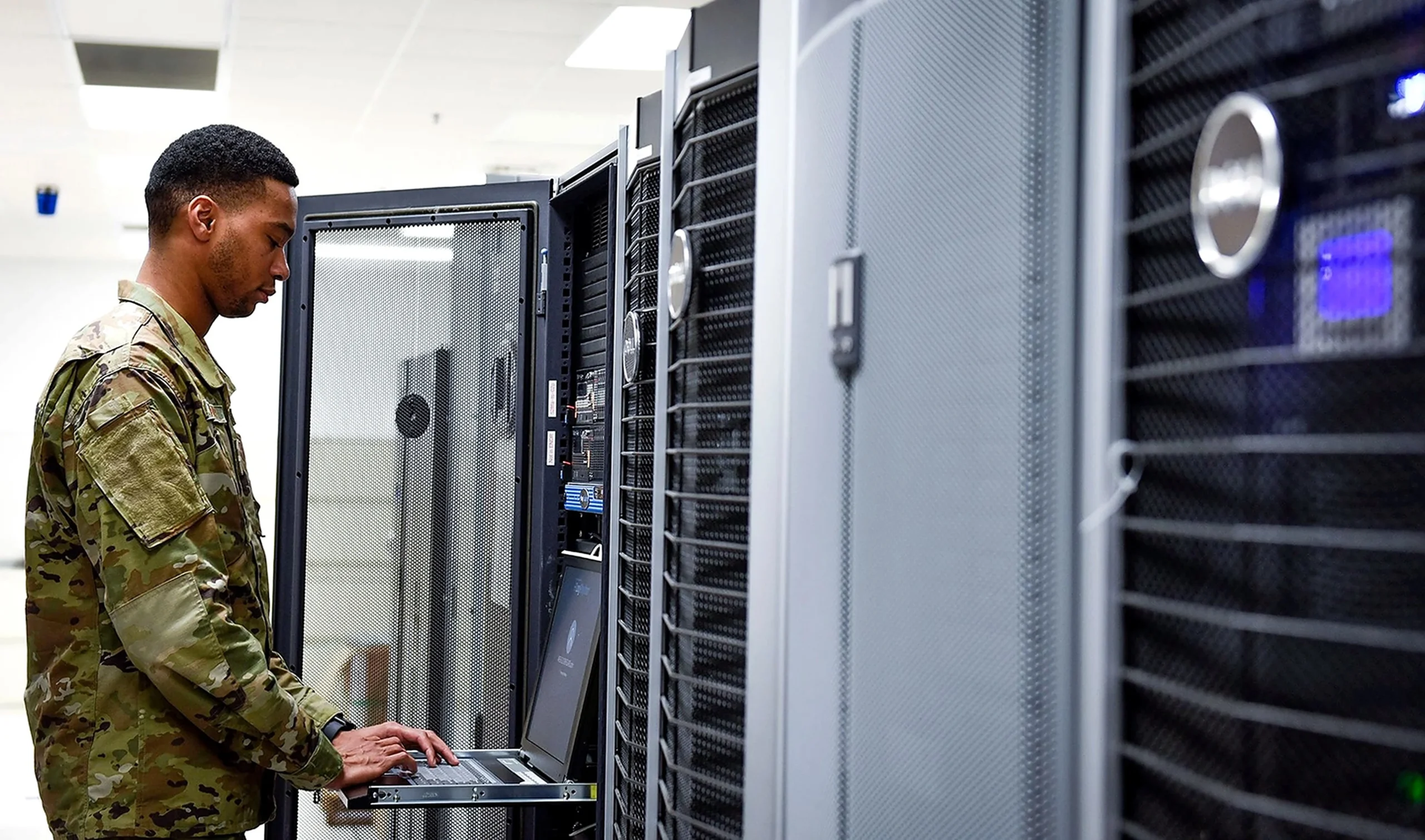
Morocco‘s Royal Armed Forces (Forces Armées Royales, FAR) have deployed the Garda Cyber Command Suite, a cyber defence platform built by the United States technology company Lyntris, to strengthen real-time threat detection, automated incident response and digital forensics across military networks. The company says the system is operational rather than a pilot, and that the same suite is in service with the armed forces of Armenia and with Taiwan’s Ministry of National Defense, Morocco World News reported.
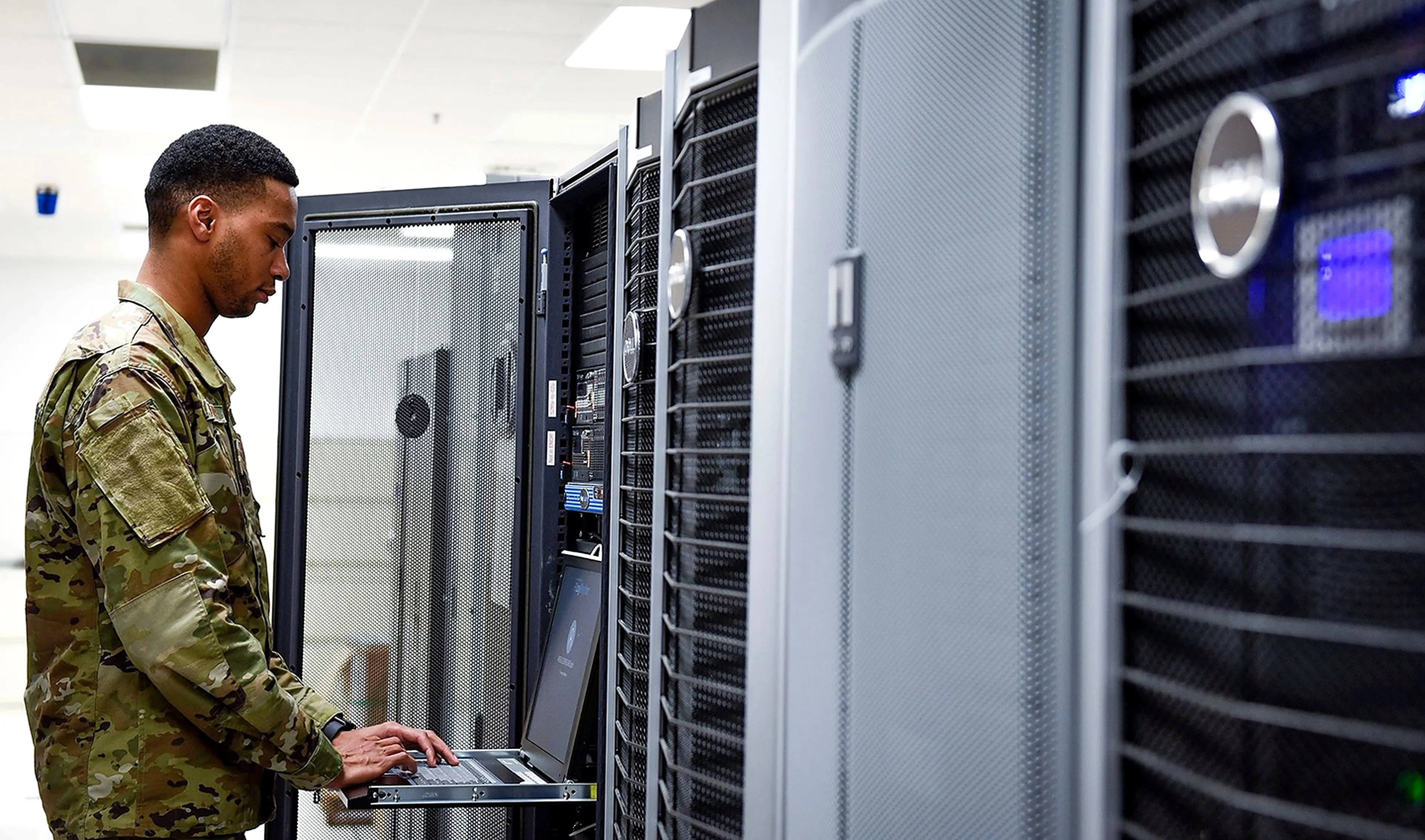
Garda Cyber uses artificial intelligence (AI) to evaluate threats to network infrastructure and recognise likely attack patterns. It brings security information and event management (SIEM), endpoint detection and response (EDR), intrusion detection and prevention (IDS/IPS), threat intelligence, vulnerability scanning and incident response into a single environment. It was designed so that a nation’s network systems keep functioning in areas where communications are degraded or interrupted, which matters for militaries that must keep systems running at remote sites.
“In Morocco, Armenia and Taiwan, we deployed Garda Cyber and Quasar across more than 100 monitored sites and had operators running real defensive cyber missions in days,” said Daniel Gelyana, Lyntris executive vice president for global command and control. The company has not said how many of those sites are in Morocco, nor what Quasar is.
Garda C2 and the Moroccan footprint
Morocco also operates Garda C2, a Lyntris command-and-control platform that merges radar, automatic vessel identification systems and electro-optical sensors into a single operational picture, helping commanders and operators follow developments on the ground and along the coast in real time. Lyntris says it deployed Garda C2 across command centres and platforms for the Moroccan forces, replacing separate sensor feeds with fused track data that runs from the coast to national command.
According to Lyntris, Morocco’s system has between 150 and 200 operators and users. It includes a main command centre, three mobile command-and-control platforms, three regional operations centres and 65 sensor sites, and it is also fitted on six ships. Some reports attach these figures to the cyber suite; Lyntris’s own account places them with Garda C2. It is not clear how much the platforms cost or when Morocco began using them, and the exact nature of the Moroccan infrastructure being protected was not disclosed. Lyntris places the deployment somewhere between 2017 and the present.
In April, Lyntris said FAR personnel completed two weeks of Garda C2 certification training at its facility in San Diego, covering system administration and operations. The company says it has run the course 40 to 50 times over roughly 15 years, and that Moroccan field requirements, including lighter map layers, integrated logistics data and workflow changes, have been built back into the product.
Who is Lyntris?
Lyntris, headquartered in Falls Church, Virginia, was formed in 2026 from the combination of Accelint and Vitesse, two companies built up by the private equity firm Trive Capital, and listed on the New York Stock Exchange in August under the ticker LYNX, IPOScoop reported. It works on sensor architecture, sensor hardware and data software for missile defence, maritime domain awareness and space surveillance, and its US programmes include the operator interface for the US Air Force’s Cloud-Based Command and Control programme. In a filing with the US Securities and Exchange Commission in July, the company cited defence programmes for allied countries including Morocco, Egypt and Taiwan, Bladi reported.
Lyntris says it developed the technology for partner nations that exchange sensitive military information with US systems. In 2017, US guidance from the National Security Agency, the Defense Security Cooperation Agency and US Cyber Command tied coalition interoperability to partners’ cyber security, which Gelyana said left partner nations needing a solution quickly.
Data as a component of military power
Hichem Moatadhid, a strategic and security researcher, told The Arab Weekly that Morocco is increasingly involved in technology transfer and in training personnel to operate and maintain advanced systems. He said military AI, drones, modern battlefield communications and cyber defence are now priorities, because penetrating a military network can disrupt communications, while manipulating sensor data can affect military decision-making more deeply than conventional weapons. In modern warfare, cyber threats can compromise security before any physical confrontation occurs.
“From that perspective, integrating cyber defense with command and control, sensors and artificial intelligence places Morocco on a path towards building an interconnected combat architecture in which data itself becomes a component of military power,” The Arab Weekly wrote in an analysis.
Beyond arms deals and exercises
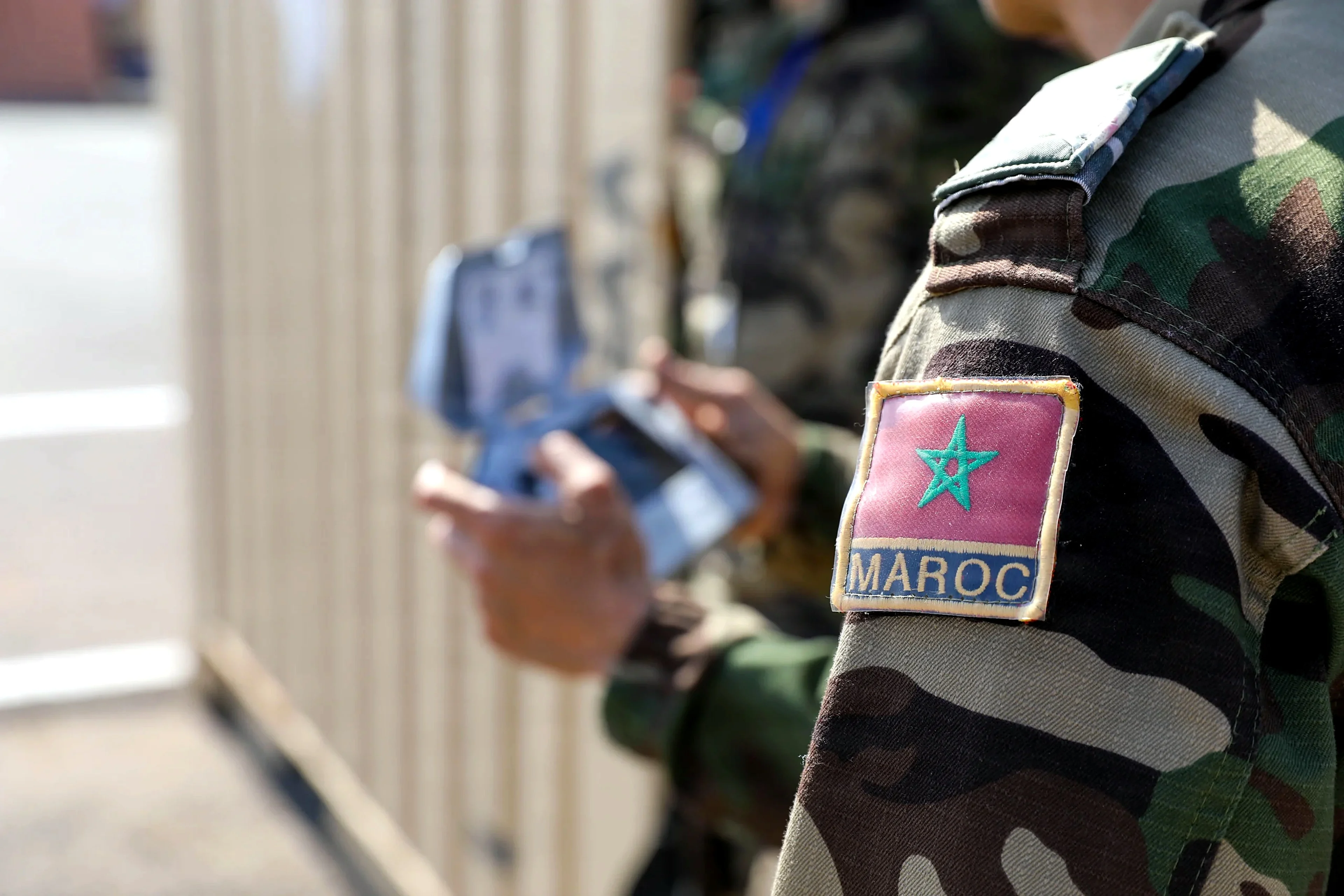
Morocco’s use of the Garda systems comes as Rabat and Washington broaden their military cooperation beyond arms deals and exercises such as African Lion. The two countries have run joint cyber activity before: in 2022, US and Moroccan special forces held cyber drills together. More recently, plans were made to build the Africa Multidomain Training and Experimentation Center (AMTEC) in Morocco.
Scheduled to open in Tan-Tan by 2030, AMTEC will consist of a multidomain training area, a drone academy and an innovation and experimentation centre. The FAR and US Africa Command (AFRICOM) signed a memorandum of understanding at AFRICOM headquarters in Stuttgart on 13 July, with General Mohammed Berrid, Inspector General of the FAR, and General Dagvin Anderson, AFRICOM commander, as signatories.
The multidomain training area will offer a range complex to prepare soldiers to use weapons systems, defensive systems and communications platforms. The drone academy will train operators, instructors and planners from Morocco and other African nations to strengthen their capabilities against terrorist threats in West Africa and the Sahel. AMTEC also aims to partner with academia, embedding experts and institutions in cross-functional design teams. Its first live-fire demonstration involving Moroccan and US forces, which included a low-cost, long-range cruise missile, was held from 3 to 7 August.
“The vision is to establish [AMTEC] as a regional hub for innovation, strategic cooperation and industrial development, as well as a center of excellence dedicated to the experimentation, validation, evaluation and development of advanced technologies,” said Moroccan Colonel Zouhair El Hamdani, the FAR officer in charge of coordination, in a story by the US Department of War. He described the first live-fire demonstration as a major step towards turning that vision into reality.
Securing the networks behind Morocco’s sensors
Together, Garda C2 and Garda Cyber give the FAR a fused picture from coastal radars, ships and command posts, and a means of protecting the networks that carry it. As Morocco links more sensors, drones and partner systems to its command structure, and as AMTEC brings US and African forces to Tan-Tan, the security of those connections becomes as important as the platforms themselves. Few African militaries have published details of a defensive cyber command of this scale, and how Rabat builds local skills to run and maintain it, rather than relying on a foreign vendor, will decide how much lasting capability the programme delivers.