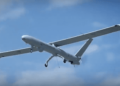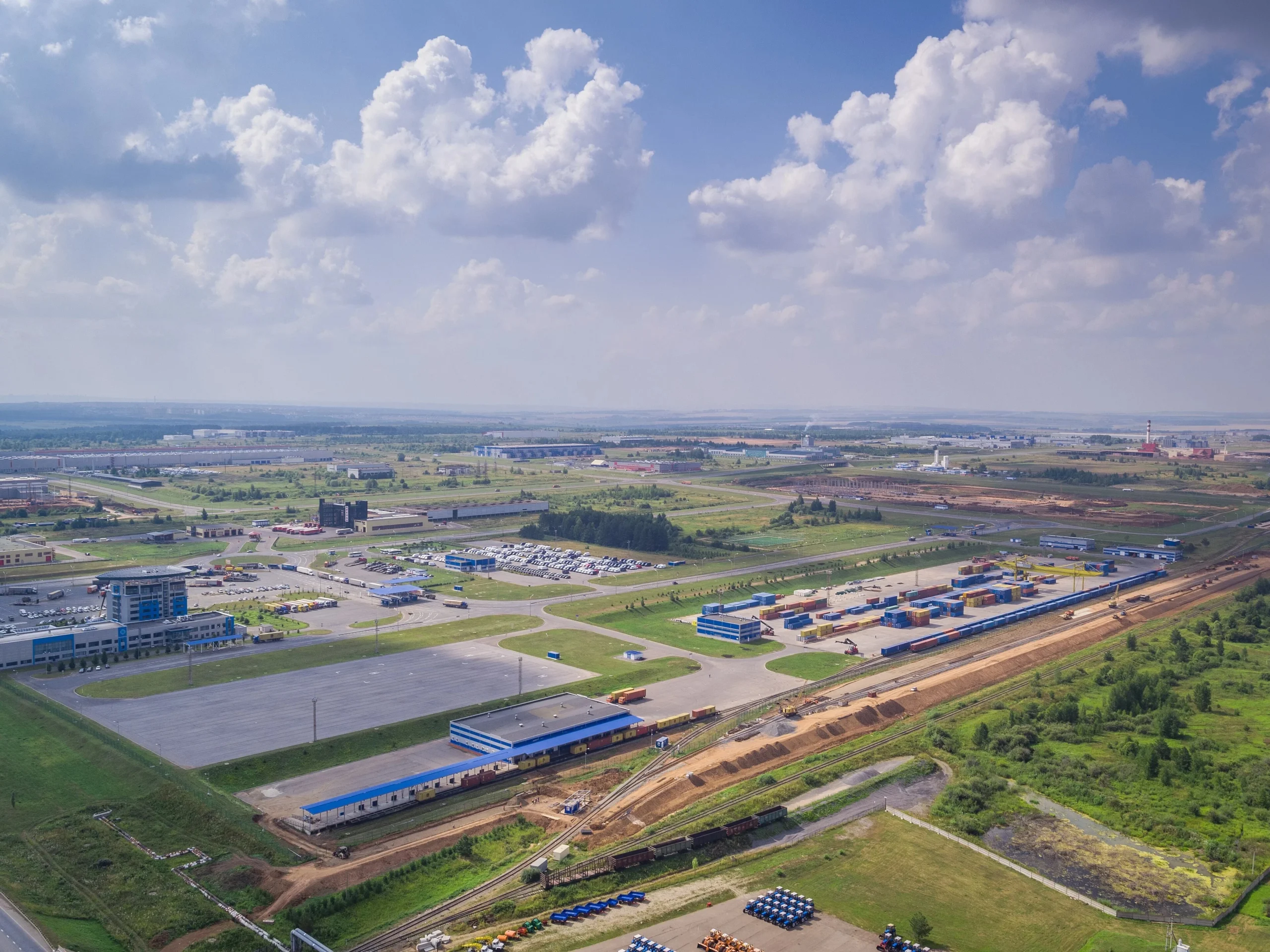
Ghana and the Democratic Republic of the Congo (DRC) signed labour and training agreements in late October with Russia’s Alabuga Special Economic Zone in Tatarstan, the industrial complex that hosts Russia’s main factory for Geran-2 one-way attack drones, the Russian-built version of Iran’s Shahed-136. The deals have drawn fresh scrutiny after the Ukrainian Security and Cooperation Centre (USCC) said it had obtained internal documents identifying about 50 African women employed at Alabuga, along with 10 Russian recruiters and two African intermediaries, Fox News Digital reported on 15 November.
Neither agreement, as publicly described, commits either government to supplying workers for military production, and the USCC’s findings have not been independently verified.
What Accra and Kinshasa Signed
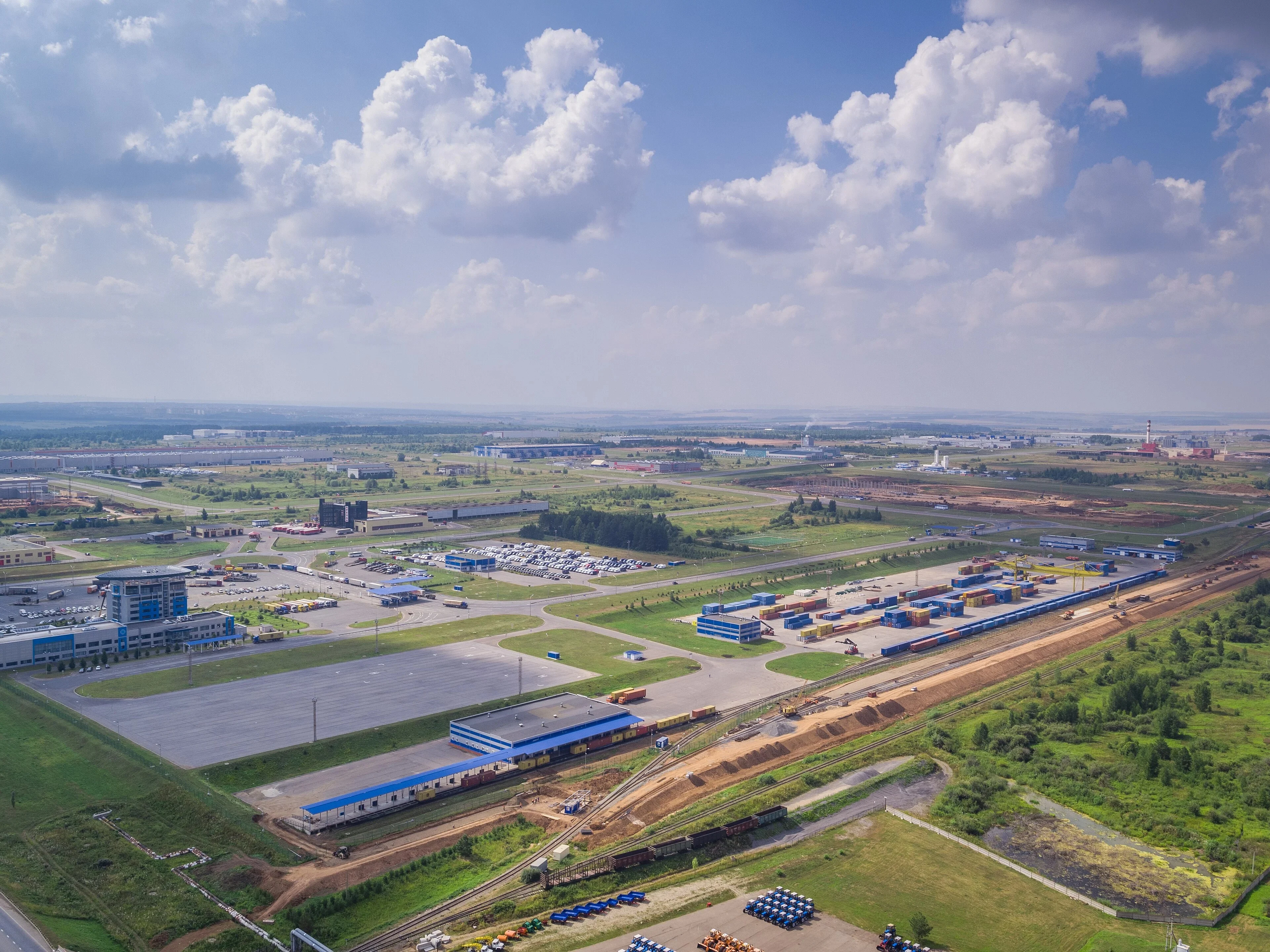
Ghana’s Minister for Labour, Jobs and Employment, Emmanuel Kwadwo Agyekum, signed his country’s agreement with Alabuga’s leadership in Russia on Thursday, 29 October 2026. Ghanaian outlets Yen and Adom Online reported that the zone hosts 48 companies with a stated demand for more than 75,000 workers in industrial and manufacturing roles. Under the deal, the Labour Ministry will coordinate recruitment, verify job offers and provide pre-departure orientation. “We signed a fantastic agreement, not only on labour exchange,” Agyekum said. “We are also looking at business-to-business cooperation.”
The DRC signed a five-year memorandum on 30 October, according to CongoRassure. Its stated aim is to strengthen the capacity of bodies under the Ministry of Employment and Labour, namely the National Institute for Vocational Preparation (INPP), the National Employment Office (ONEM) and the General Labour Inspectorate (IGT). Minister Ferdinand Massamba wa Massamba asked for a funded system of professional internships to help young graduates into work.
A Drone Factory Inside an Industrial Zone
Alabuga was created in 2006 as a conventional special economic zone for foreign investors, about 1,000 km east of Moscow. After Russia invaded Ukraine in 2022 and agreed to buy Shahed-136 drones from Iran, part of the zone switched to military work, and production of the drones moved from kits shipped from Iran to local assembly there, an Associated Press investigation found in October 2024.
The AP reported that about 200 African women were then working at the plant, recruited through a social media campaign called Alabuga Start that offered work and study in Russia. David Albright of the Institute for Science and International Security told the AP that about 90 percent of the foreign women recruited through the scheme worked on drone production, largely on assembly and painting. Some described long hours, lower-than-promised pay, constant surveillance and exposure to caustic chemicals. Military Africa first reported on young Africans heading to Alabuga in April 2024, when the zone advertised places for recruits from Rwanda, Ghana, Nigeria, Tanzania, Uganda and Kenya.
The New Allegations and the Sanctions
The USCC says its documents describe a three-level network: Russian cultural and educational organisations building relationships with young Africans, local recruiters promoting jobs abroad, and Alabuga staff arranging employment and travel. It names two women from Tunisia and Uganda as alleged recruitment coordinators and cites a September 2024 cooperation memorandum between the council of Russian compatriots in Tunisia and Alabuga. Solomiya Khoma, the centre’s head of international cooperation, said the findings relied partly on a confidential source still working in the complex. The report does not establish that Russian diplomats or cultural bodies knowingly directed recruits into drone production.
The United Kingdom had already acted. On 5 May 2026 it sanctioned 35 people and entities over migrant recruitment and drone supply for Russia’s war, including several tied to Alabuga Start, which the UK sanctions notice describes as a recruitment scheme that hires people “usually from economically insecure backgrounds, using deceptive practices”. Those listed include Cameroonian national Michel Ateba, accused of recruiting largely from Cameroon for the programme.
Why It Matters for African Defence
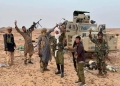
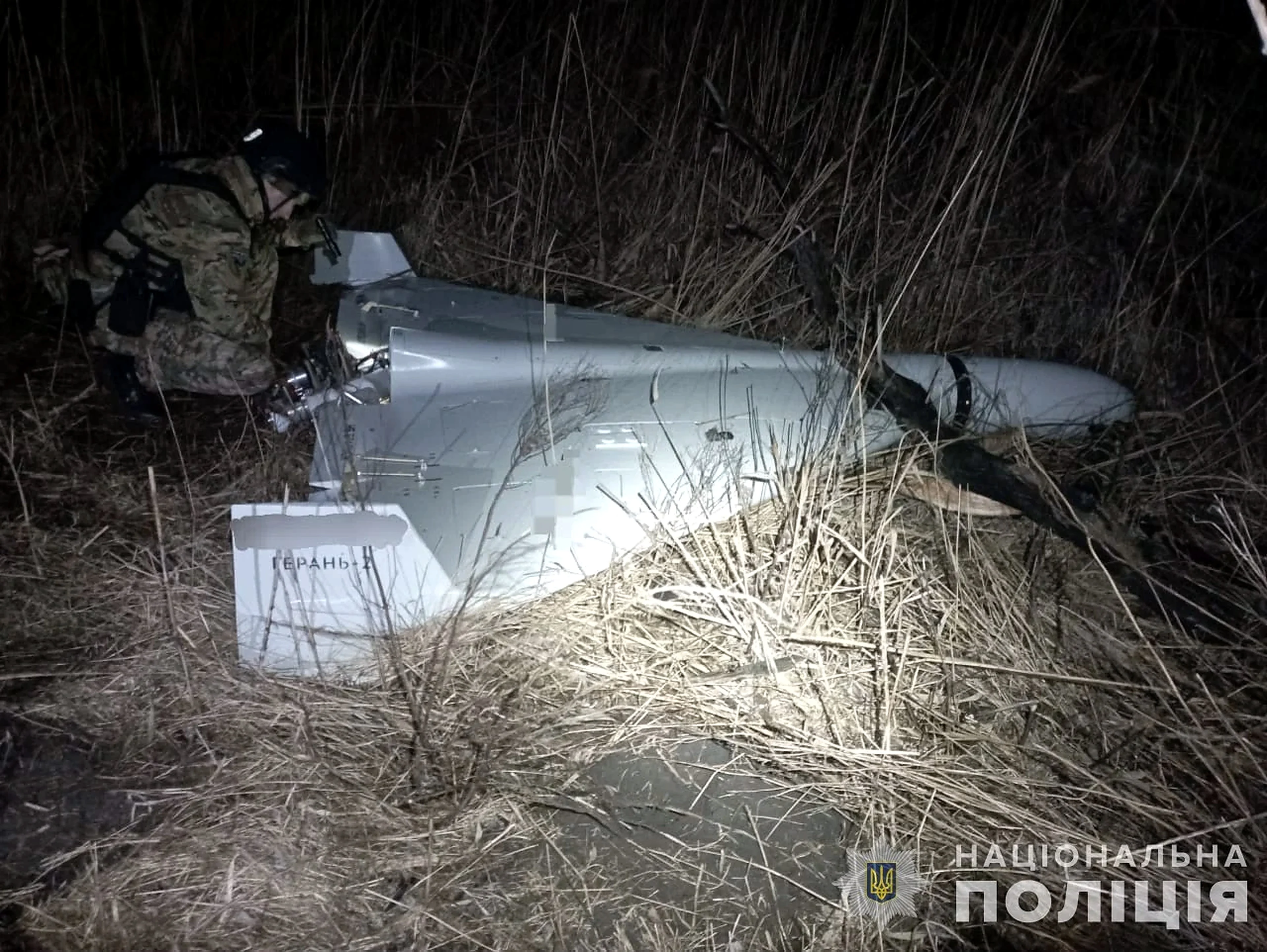
The Geran-2 is no longer only a weapon of the war in Ukraine. Military Africa reported the first confirmed use of Shahed-136-type drones in Mali in July 2026, by Malian forces working with Russia’s Africa Corps, and one-way attack drones now feature in the wars in Sudan and Ethiopia. Countries that send workers into a supply chain producing these weapons risk reputational and sanctions exposure, even where their own agreements say nothing about military work.
Safeguards for Workers Bound for Tatarstan
Ghana’s ministry has promised to verify every job offer before workers leave, and the DRC framed its memorandum around training rather than placements. Those checks will be tested by how clearly the zone’s employers state which plants recruits will work in, and whether Accra and Kinshasa publish the terms. Fox News Digital said it had asked Alabuga, the Russian Foreign Ministry and the governments of Ghana, the DRC, Uganda and Tunisia for comment.