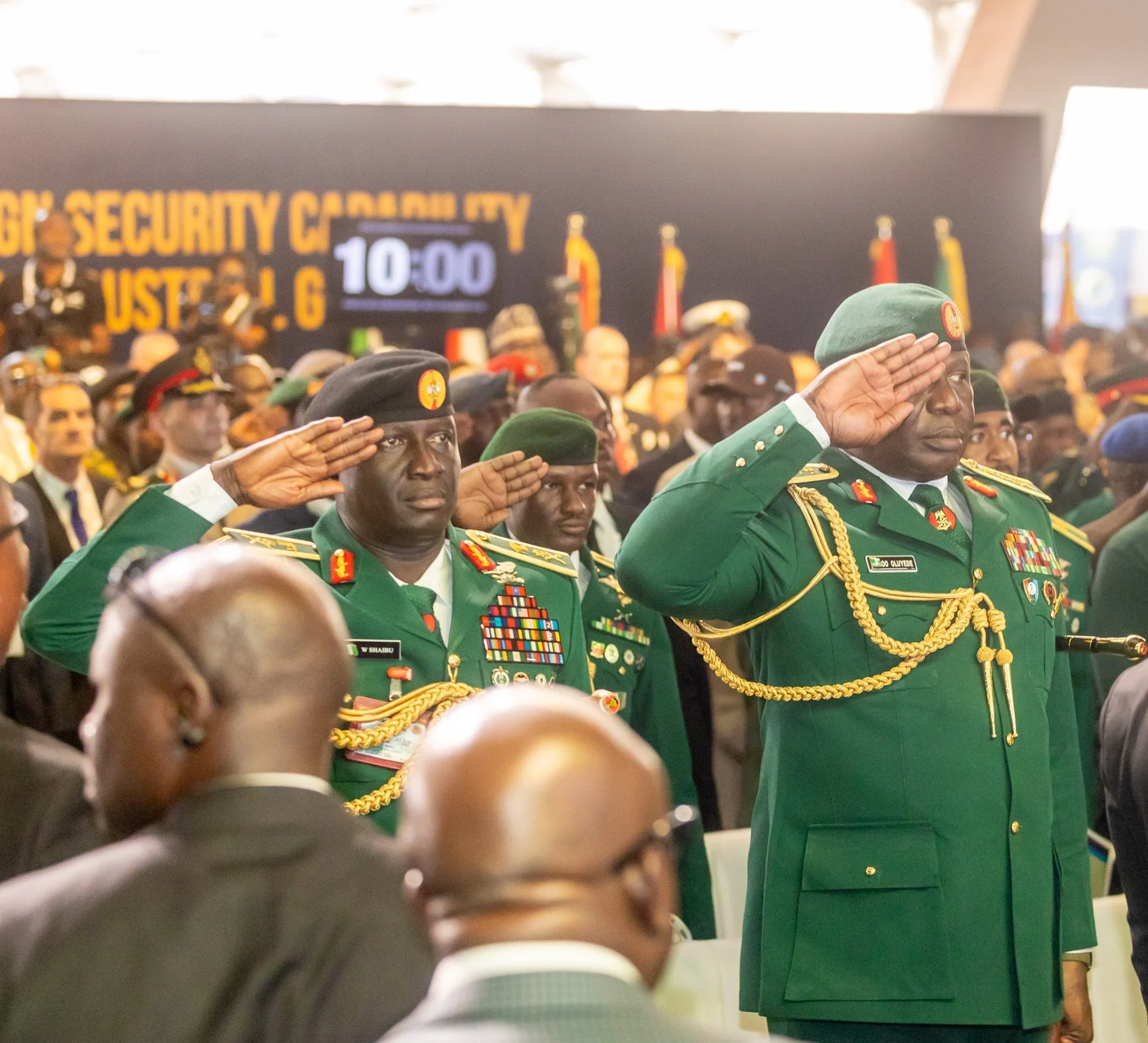
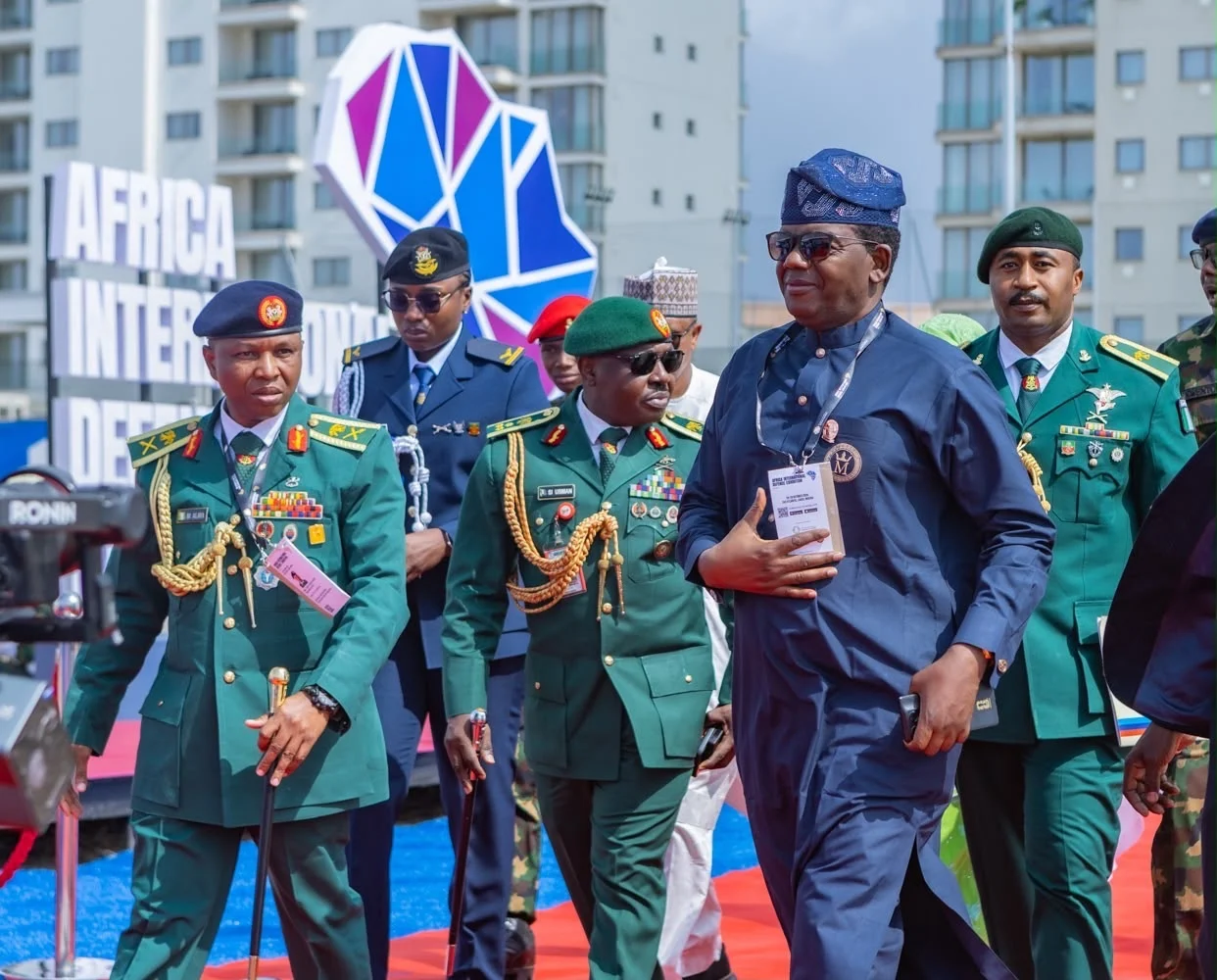
The Africa International Defence Exhibition (AFRIDEX) held its first edition at Eko Atlantic, Lagos, from 26 to 29 October 2026. Organised by dmg events with the Defence Industries Corporation of Nigeria (DICON), the show filled its halls with armoured vehicles, drones and signing ceremonies. Away from the stands, its Technical Theatre hosted talks by military officers, government officials and industry. Over three days, I attended a dozen of those sessions.
The sessions covered land, sea and air, and each domain had its own topics. Despite that range, two themes kept coming up. The first is regional collaboration: African forces cannot secure the region one country at a time. The second is local capacity: each country needs the skills and infrastructure to keep its own equipment working, and in time to design equipment for African problems. That capacity can come from indigenous companies or from foreign manufacturers that localise their production and support, and either route creates opportunities for Nigerian and African firms. Below are the sessions that stood out to me, starting with one that was not focused on equipment at all.
Disruption as doctrine
One of the most thought-provoking talks of the week came from Brigadier General Mohammed Isa Lemu of the Nigerian Army, under the title The Connected Base: Sustaining Operations Through Disruption. His framework treats each insurgent as a capability, then works backwards to the doctrine and resources that sustain it. What does that fighter need to be armed, trained and fed, and where does each of those come from? Using Boko Haram as his example, he traced the chain from motorcycles bought in used-bike markets and fuel supplies to the ideology that recruits fighters in the first place.
The aim, he said, is to disrupt the whole chain, including the thinking behind it. A partial disruption lets the enemy adapt. A holistic one leaves far less room to do so. That demands extensive intelligence and what he called a fusion doctrine, joining military, economic and information tools. He closed on the old line that insurgents are the fish and the people are the water. Ending an insurgency, he said, ultimately needs the cooperation of local people.
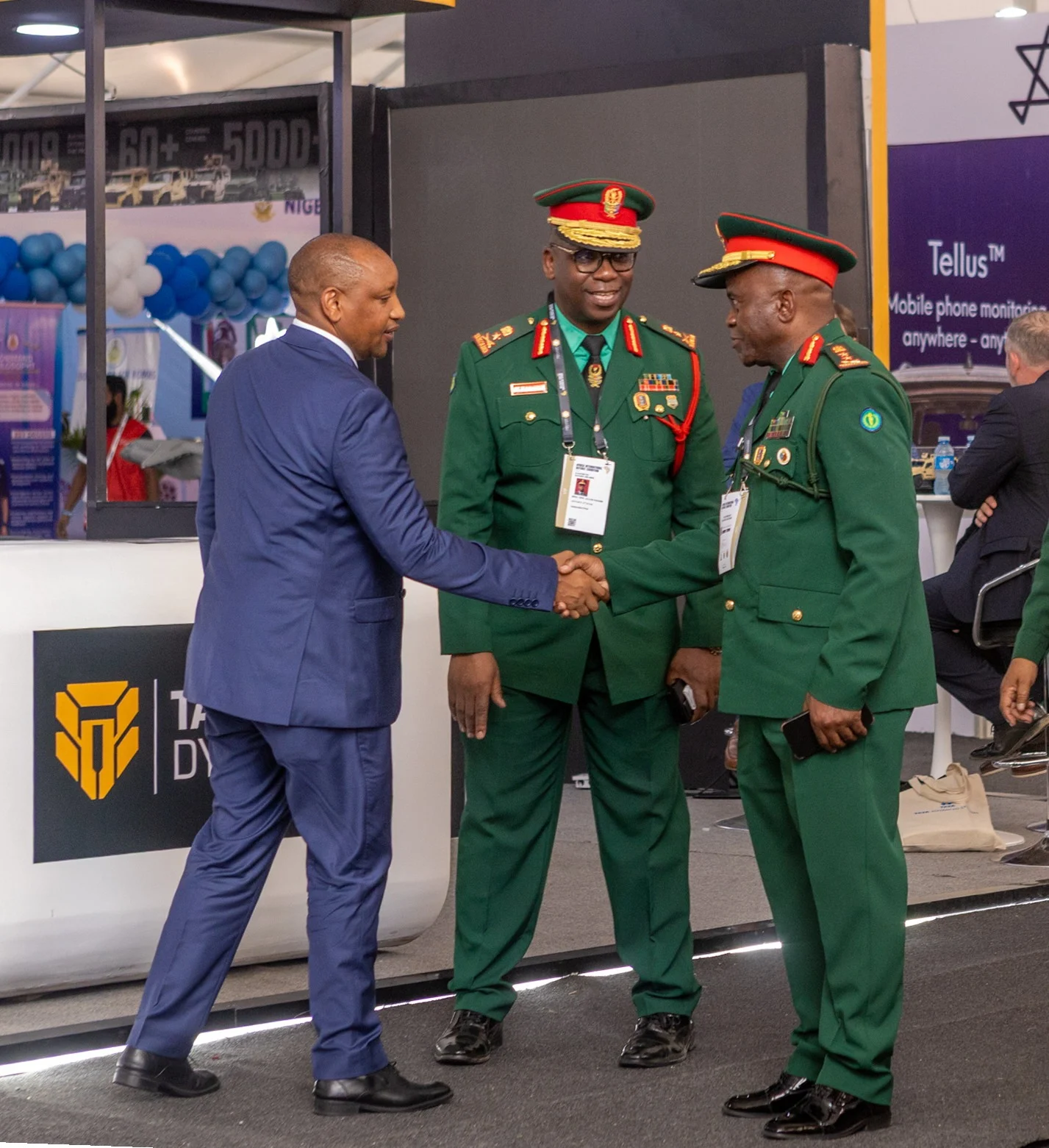
Preparing for high-intensity conflict
A drone designed to year-old requirements and then stockpiled will be useless in a future war. That was the warning from Rene Ehasalu, cluster manager at the Estonian Defence and Aerospace Industry Association, speaking on a panel about preparing ground forces for high-intensity conflict and the lessons of the war in Ukraine. Procurement offices face a double challenge. They must hold enough ammunition and other critical stocks for a high-intensity war, while knowing that fast-moving systems such as drones can be out of date before they are ever used. The panel’s answer was to shift the focus from holding reserves to building the capacity to scale up production quickly when it is needed. He also proposed that Estonia and African partners develop counter-drone systems together.
Giving the Nigerian perspective, Lieutenant Colonel A.A. Ikoro of the Nigerian Army argued that interoperability, between units of one army or between allied forces, is a central part of preparing for high-intensity conflict because it reduces dependence. Drawing on deployment experience, he described allied forces whose communications systems could not work together, which left one force relying on the other. Interoperable systems, he argued, let both sides contribute.
He also stressed the need for a strong maintenance and sustainment culture for armoured vehicles, built on cooperation between manufacturers and the armies that use their equipment. He described repairs slowed by long lead times because some manufacturers have a very small presence in the country.
His prescription was closer engagement between manufacturers and the armed forces, so that manufacturers hear directly from the units using their equipment. In effect, that is a loop from the battlefield back to the production line.
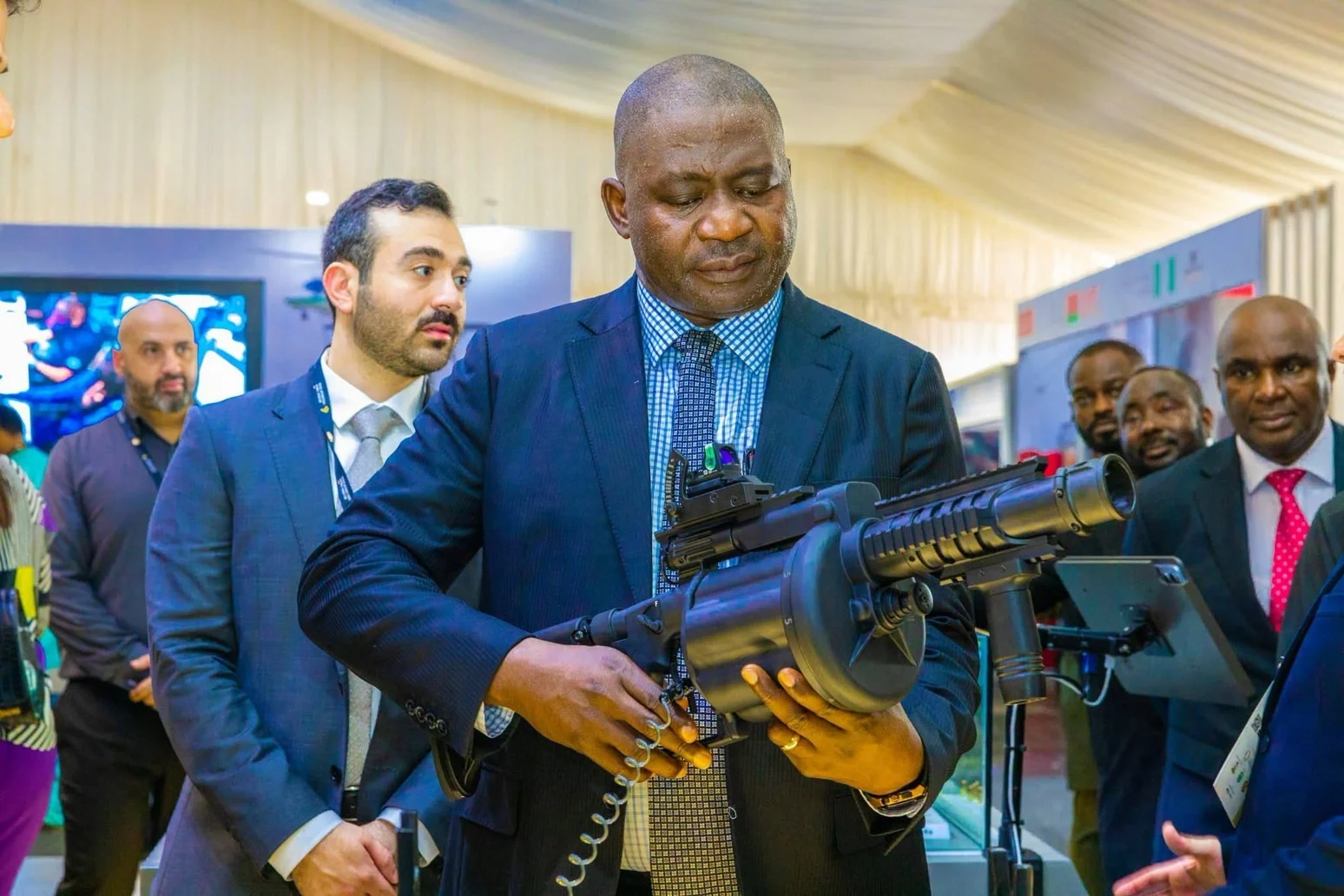
The importance of naval interoperability
The Gulf of Guinea is too large for any one navy to police. That is why the Yaoundé Architecture exists. Built on a 2013 code of conduct signed by 25 West and Central African countries, it rests on the idea that maritime threats do not stop at national boundaries. For it to work, the navies involved need interoperability strong enough to turn separate national capabilities into a single one.
The speakers, including Commodore Isa Abubakar Ahmed of the International Maritime Institute of Nigeria and Dr Jamie McCoy of Frequentis Defense, discussed three pillars of interoperability: systems, standards and integration, as set out by the Commodore in his opening presentation on the topic. Technology is only worth what the wider system can do with it, and information passed between forces without shared standards is useless. In the Gulf of Guinea, the test is whether a navy can act on the information it receives. Artificial intelligence can help by fusing data from different units into a single view, provided cyber security is built in from the start, since every new connection is a new way in.
The panel recommended stronger information-sharing arrangements, consistent procedures, regular joint exercises and lasting institutional support. A partnership, one speaker said, is measured by what a navy can do on its own afterwards.
Protecting critical undersea infrastructure
In the session on protecting critical undersea infrastructure, moderated by Matt Harman of Greypoint Advisory Services, the panel discussed the undersea assets that need protection, including oil pipelines, submarine cables and the natural resources of the sea. Special attention was given to the data cables that connect Africa to the world, especially in the context of March 2024, when damage to several cables off Côte d’Ivoire disrupted internet services across the region, Nigeria included.
To reduce that risk and improve the ability to monitor and prevent sabotage, the panel discussed the role of mapping cable routes and keeping them clear as no-anchorage zones. It also pointed to the need for measures to improve resilience through cable redundancy, and for early-warning systems and sensors so that threats to underwater infrastructure are identified and prevented before they become problems.
The panel also pointed to a capability gap in mapping Nigeria’s underwater resources, including fish and other parts of the blue economy. Speakers discussed the need for unmanned surface vessels, ideally produced locally or elsewhere in Africa, which, working with the navy, would map Nigeria’s underwater regions in order to better protect them.
For local industry, it points to clear openings in seabed mapping, subsea sensing and early warning.
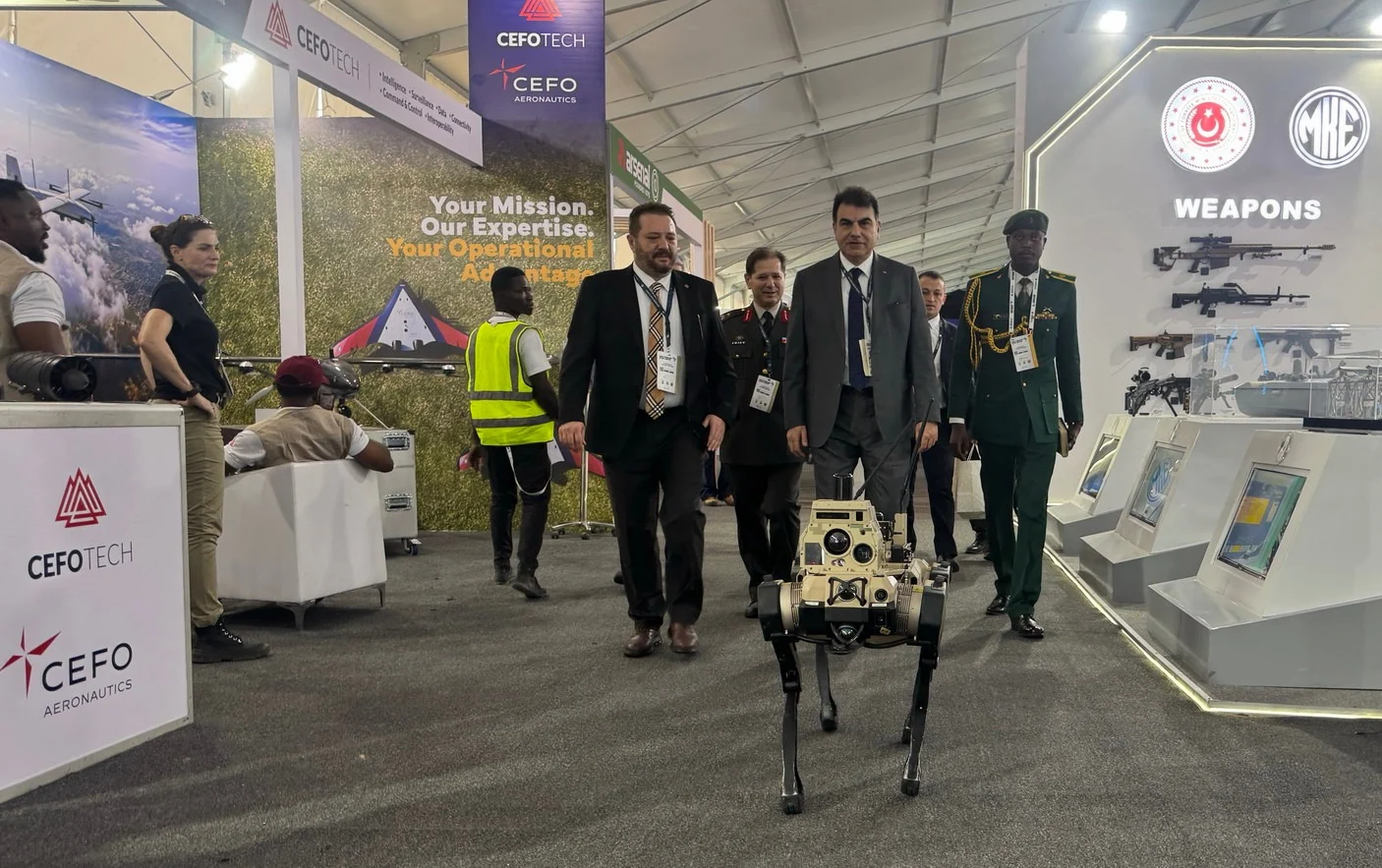
Air mobility as a strategic enabler
In this session, Air Vice Marshal Michael Onyebashi, Air Officer Commanding Mobility Command of the Nigerian Air Force, challenged the view of air mobility as a nice-to-have for African militaries and argued that it should be treated as a strategic enabler. Where air mobility is absent, he said, response options disappear and outcomes change, yet militaries still treat airlift as a support function.
He listed what holds African airlift back: weak maintenance, fleets made up of too many aircraft types, poor infrastructure, and the agreements and diplomatic clearances needed to fly across borders. He called for three shifts: from support to strategic enabler, from aircraft to system, and from national to collective. The Economic Community of West African States (ECOWAS) in particular, he said, needs a strong airlift force built on pooled aircraft.
I asked which of these challenges was most pressing, and how industry, especially indigenous companies, could help. His answer was perception first: militaries need to understand how much this capability matters. After that come gaps in the value chain that indigenous companies are well placed to fill. The most value, he added, comes from treating airlift as a system, not a set of individual aircraft.
An important avenue for collaboration
These few sessions from the Technical Theatre show where much of AFRIDEX’s value lay. Industry builds relevant solutions by listening to the people who will use them, and in these rooms officers and officials set out their pain points in front of the companies that could solve them. Each session gave industry a clearer picture of what to build. We need far more sessions like these to increase industry and armed forces collaboration, at AFRIDEX and other platforms between major defence exhibitions.
The first theme, regional collaboration, ran through the naval and air sessions. The Yaoundé Architecture at sea and the call for a pooled ECOWAS airlift force both point to a security architecture that does not rest on any one country’s capacity. This changes what industry has to produce. Platforms need strong interoperability built in from the start, and companies should focus on winning customers in neighbouring African countries, because shared platforms help build regional collaboration and give those companies a competitive edge.
The second theme, local capacity, came up even more often. A shared architecture still needs members that can keep their own equipment working, and most of the problems raised pointed to the same answer: a stronger local industrial base. Armoured vehicles wait longer for repairs when their manufacturers have a small presence in the country. The undersea panel wanted unmanned vessels produced locally or elsewhere in Africa, along with the tools to map the seabed and spot threats early. On air mobility, the answer to my question pointed straight to gaps in the value chain that indigenous companies are well placed to fill. These are pain points that only indigenous solutions and capabilities can solve for good, starting with local technicians and companies that can service the equipment already in use.
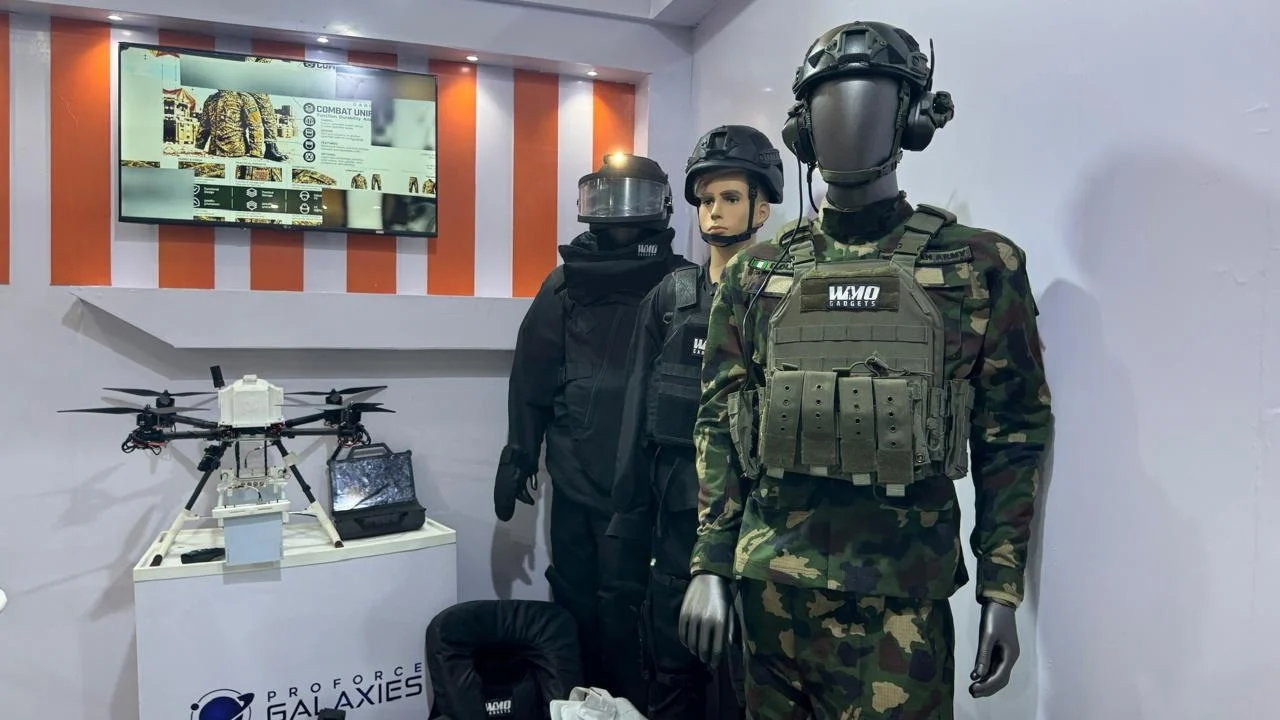
That capacity is also where innovation starts. The high-intensity panel’s answer to the stockpiling dilemma was the ability to scale up production quickly, and the Estonian proposal to develop counter-drone systems with African partners only works if those partners can build. Technicians who repair a platform learn how it works, and companies that service it learn what fails in African conditions. That is the knowledge a country needs to design systems for its own threats.
Lt Col A.A. Ikoro said manufacturers need to hear directly from the units using their equipment. Sessions like these are where that happens, and where industry and the armed forces can start working on problems together. If African companies take up what was raised in Lagos with the forces that raised it, they will have real solutions to show at the next AFRIDEX.
Oshoke Sule is a defence-focused project manager with a background in computer engineering. He has completed an MSc in Project Management at UCD Michael Smurfit Graduate Business School, where he wrote on European defence governance.