

By Eray Yükseloğlu
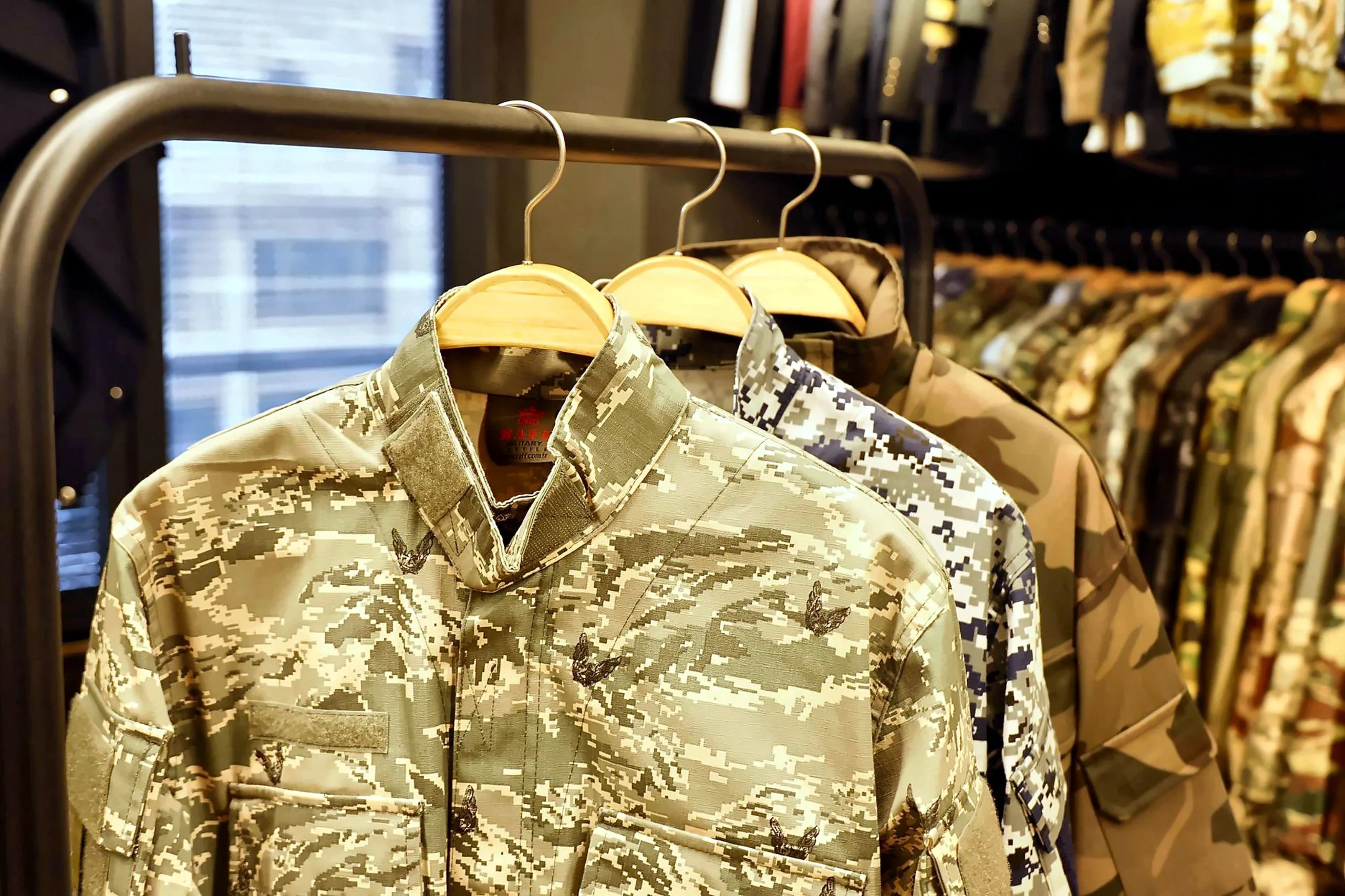
Look across the world’s armed forces and you will find a remarkable variety of camouflage patterns, each shaped by its own landscape, history and priorities. Behind that variety lies a shared logic. Every effective pattern is the product of a system that runs from the observer a soldier must hide from, through terrain, testing and identity, to production. After many years of supplying uniforms to armed forces, I have learned that a weakness in any one of these steps can undo all the others.
Seen through the observer’s eyes
A pattern is only as good as what an observer fails to see. At a distance, the large shapes of the design break up the outline of the human body. Up close, finer detail helps the uniform merge with leaves, soil and shadow. Colour ties both together by matching the dominant tones of the ground.
The observer, however, is no longer only the human eye. Understanding who is watching is where the camouflage system begins. Night-vision devices work in the near-infrared range and are far more widely available than they were a generation ago. A uniform that blends into vegetation by day can appear bright through night-vision goggles if its dyes were never chosen with that in mind. Drones add a view from above that many older patterns were never designed for. Each of these observers asks something different of the same piece of cloth.
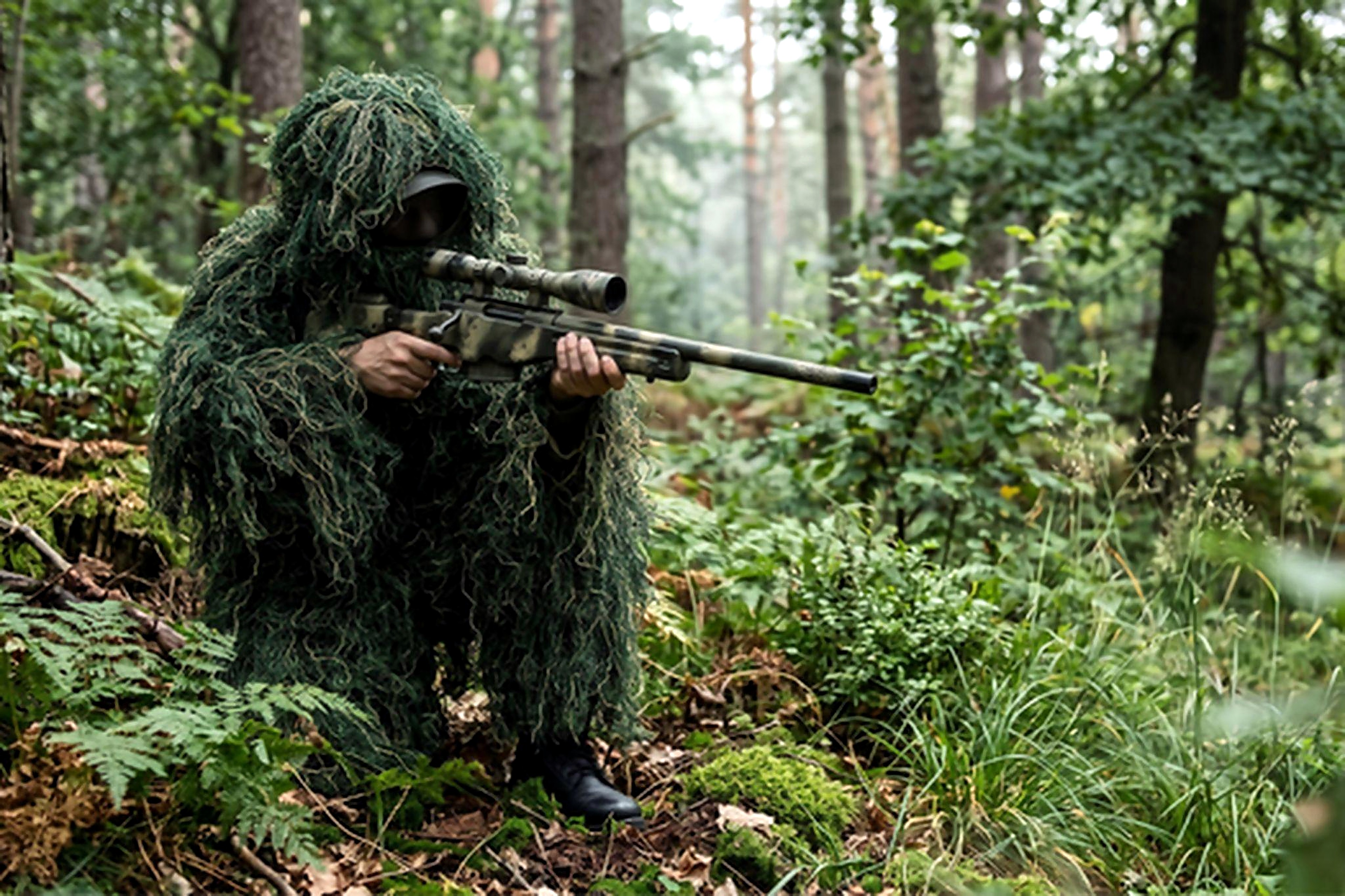
Broadly, patterns fall into three families. Some are designed for a single environment such as woodland, desert or jungle. Others aim to perform acceptably across several environments. A third group are national patterns, where identity carries as much weight as concealment. Choosing among them is first a question of doctrine and terrain. Design comes afterwards. Every later decision rests on this one.
Lessons from an expensive mistake
The best-documented lesson comes from the United States Army. In 2004, it adopted the Universal Camouflage Pattern, a grey-green pixelated design built on the appealing idea that one pattern could serve every terrain. It struggled in practice, particularly in Afghanistan, where the Army authorised a different pattern for troops deploying there in 2010. A 2012 report by the US Government Accountability Office found that the pattern had not been tested before it was approved, and cited Army estimates that replacing the affected uniforms and equipment could cost up to four billion dollars over five years. The pattern was finally retired in 2019.
I mention this not to criticise one army but because the same risk exists for every force. A pattern chosen because it looks modern, or because a single solution sounds efficient, can commit an army to years of expense. The sounder route is slower. Testing is the link that connects a design on paper to performance in the field, and skipping it weakens the whole system. It means field trials in the terrain that matters, observation at realistic distances and honest feedback from the soldiers who will wear the uniform.
The challenge of terrain and identity
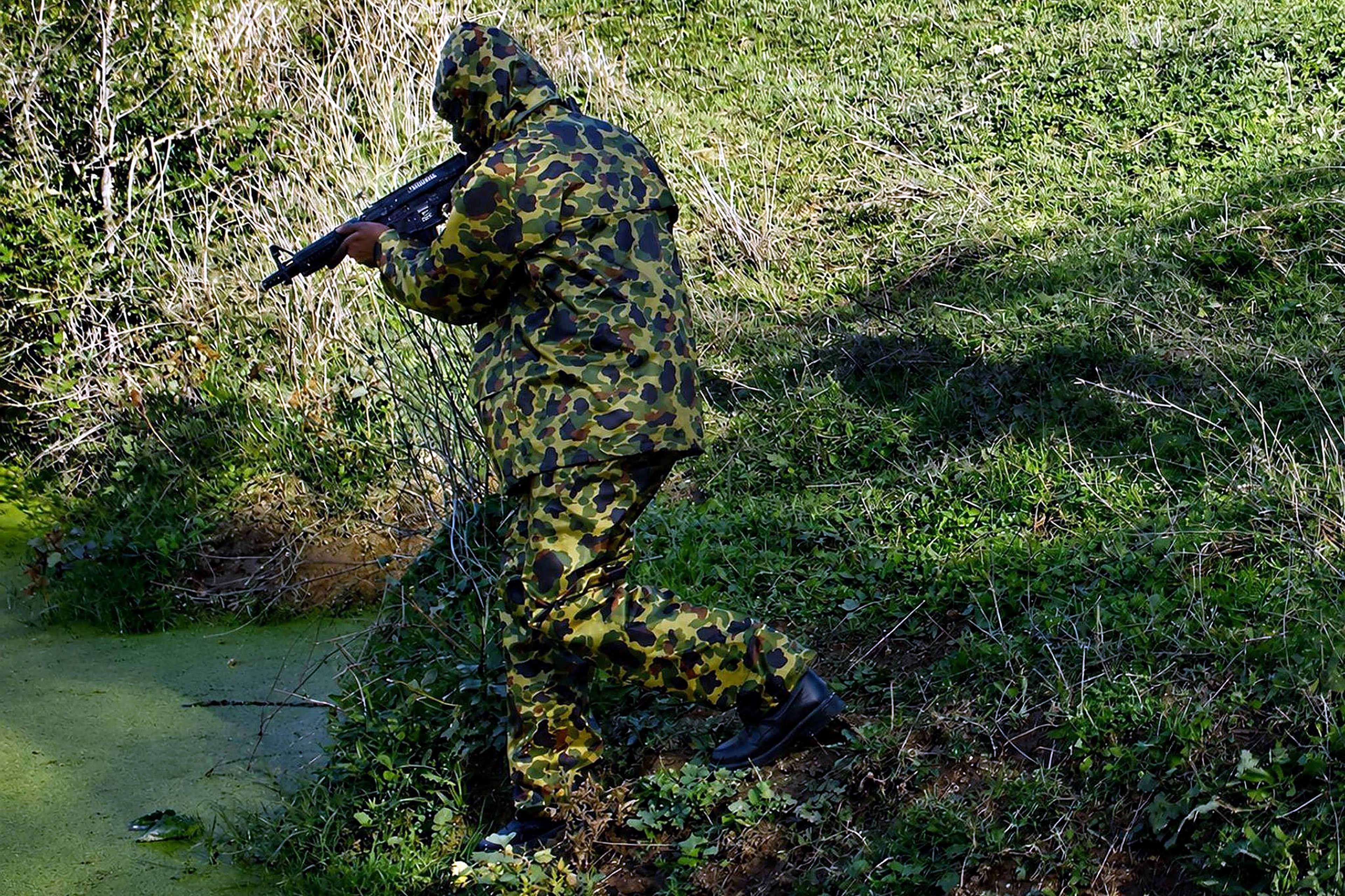
Terrain decides a pattern’s colours, its shapes and how many patterns a force needs, and Africa shows why that question is rarely simple. The continent holds desert and Sahelian scrub, open savannah, dense equatorial rainforest, highlands and coastal mangrove, and many countries contain several of these terrains within their own borders. With many forces also deployed on peacekeeping missions abroad, a single pattern rarely serves every setting equally well.
Identity matters as much as terrain, which is why many countries treat their national pattern as a protected asset. Protecting the pattern is part of the system, not an afterthought. When a national pattern circulates freely on the open market, it loses value both as concealment and as a visible sign of legitimate authority. Where armed groups operate, the ability to tell a real soldier from someone in a copied uniform becomes a genuine security concern.
When a pattern reaches the factory
Once a design is approved and reaches the factory, it enters the step most often overlooked: reproduction. Here the work shifts from creating a pattern to repeating it faithfully. Colours and the pattern repeat need to stay consistent from one production lot to the next, so that items made at different times still match. The dyes chosen at the factory also decide how the fabric appears under night vision and how long its colours withstand sunlight, washing and daily wear. A faded fabric is, in practice, no longer the camouflage that was approved.
In our own work at Raff with customers across Africa, conversations about a national pattern soon move beyond the design itself. The harder questions concern who holds the master files, how colour tolerances are written into the contract and how consistency is checked when a force buys from more than one source. In my experience, these details decide whether a pattern still performs in the field five years after it was adopted.
Four Questions Before a Force Signs
None of this is new, yet the same mistakes keep returning because each one looks small on its own. A force choosing a pattern today should ask four questions before it signs: who is it hiding from, has it been tested where it will be worn, who controls the master files, and how will colour be checked on every delivery. Getting those answers right costs far less than replacing a pattern a few years later.