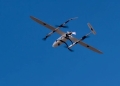

Niger’s military government says a drone launched from Chad, with French support, killed two civilians near Emi Lulu in the Agadez region at about 1:00 a.m. on 24 October 2026. Chad denies any role, and no independent investigation has begun.
Niamey announced the strike in a statement read on state television on the evening of Monday 26 October. It said the aircraft hit the Salvador Pass area in the mountains of northern Niger, a remote mining zone near the borders with Algeria and Libya and a known route for smuggling and militant activity, wounding several people and damaging vehicles. The government called the strike an “act of aggression” and a violation of Niger’s sovereignty, accused N’Djamena of offering “strategic depth” to mercenaries, and summoned Chad’s ambassador, Abdoulaye Abdelkerim Abbo Grou, who was received on 27 October by Justice Minister Alio Daouda, acting as interim foreign minister. Niamey said it would refer the case to the United Nations (UN) Security Council and the African Union (AU) Peace and Security Council, and it asked for an independent inquiry and compensation, Africanews reported.
Chad’s government rejected the claim on 27 October. It said it neither ordered, carried out nor supported any aerial operation against Niger, and it asked Niamey to publish its evidence. N’Djamena also called for an independent international investigation and accused Niger of sheltering Chadian armed groups, a charge it says it has raised several times over four years, Benin Web TV reported. Chad also cited the case of a soldier who deserted to Niger with his weapon and vehicle and whose return it says Niamey has refused.
A Crowded Border
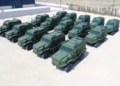
Chad’s army has been fighting the Miski Self-Defence Committee, a local militia in the gold-rich Tibesti region next to Niger, since 14 October, when an attack on a mining brigade killed two officers and wounded nine, according to regional media. Medafrica Times reported on 27 October that N’Djamena was flying air operations in the area. Chad’s armed forces have been re-equipping with Turkish armoured vehicles as they reinforce their eastern border with Sudan, but the country’s drone holdings and the platforms it could use for long-range strikes in the Tibesti are not publicly documented.
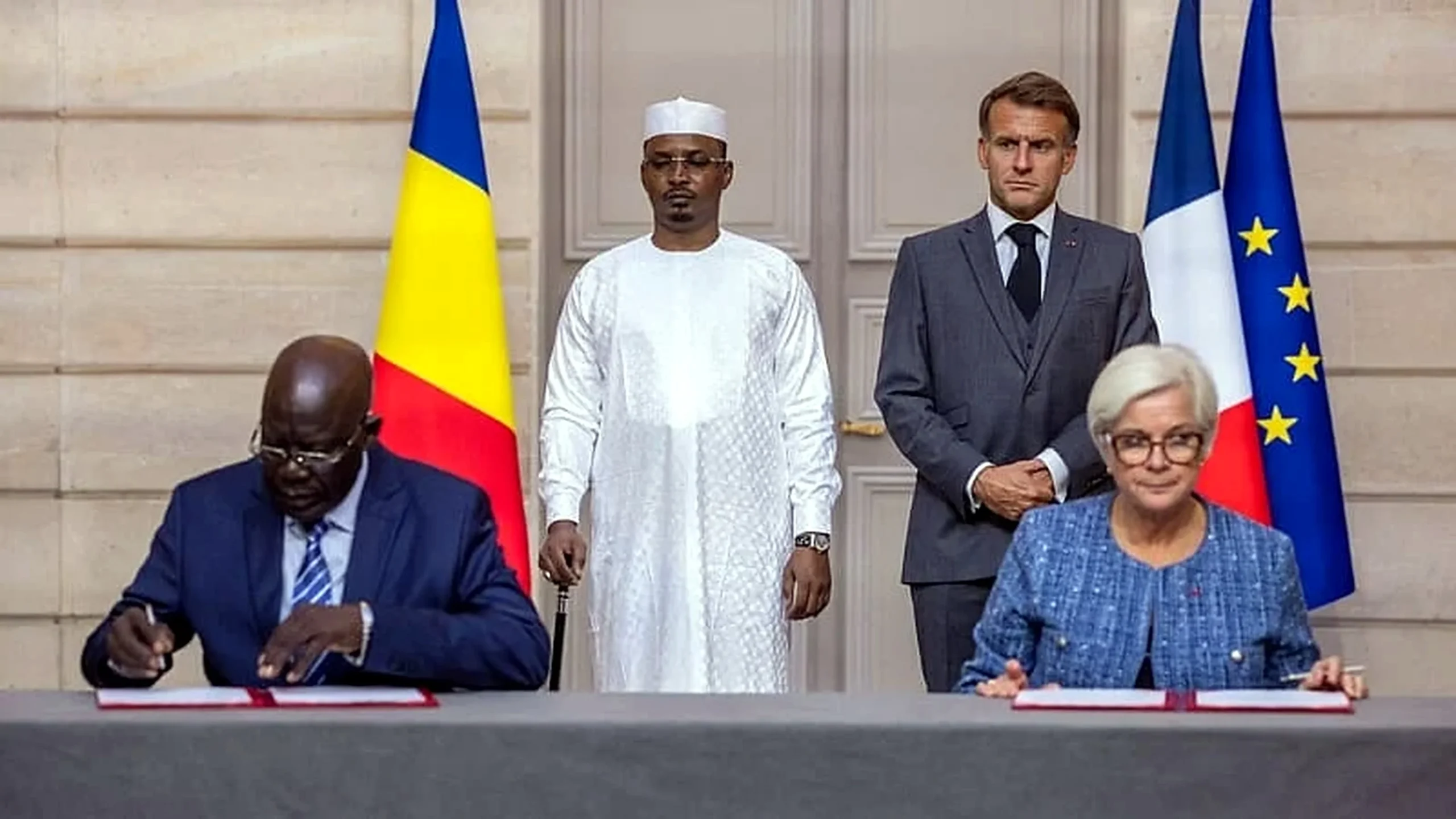
The timing matters for another reason. On 13 October, Chad’s Defence Minister, General Issakha Malloua Djamouss, and French Defence Minister Catherine Vautrin signed a declaration of intent in Paris while President Emmanuel Macron hosted Marshal Mahamat Idriss Déby Itno, Chad’s president, at the Élysée Palace. The text covers training, expertise, defence industry and technology, a step Military Africa examined when France and Chad revived their ties.
That deal closes a rupture that began on 28 November 2024, when Chad ended its defence cooperation agreement with France. French troops left in January 2025. On 29 October 2026, Colonel Xavier Rival, spokesman for the French chief of defence staff, said two Mirage 2000 fighters and a CASA transport aircraft would make a technical stopover in Chad, the first French military presence there since the withdrawal, linked to a November exercise with the armed forces of Côte d’Ivoire and Gabon, Africanews reported. That exercise became Exercise Fangha. Niamey reads all of this as proof that N’Djamena sits inside a French security network. Paris says the cooperation resumed “in full respect of Chad’s sovereignty.”
Why Niamey Is on Edge
Niger’s military rulers have reason to see plots everywhere. On 28 and 29 August, mutinous soldiers attacked Air Base 101 at Niamey’s airport, the presidential palace and the state broadcaster. Troops loyal to General Abdourahamane Tiani, Niger’s head of state, retook the base with help from Russia’s Africa Corps. Reuters reported on 4 September that the government blamed France for inciting the revolt, and France dismissed the charge as “pure fantasy,” according to Al Jazeera. State television later aired a video of an air force captain who named Benin, Chad, Côte d’Ivoire and the regional bloc, the Economic Community of West African States (ECOWAS), as links in the plot. Benin and Chad denied involvement. Relations with Paris have deteriorated further since: on 14 October Niger protested France’s expulsion of two Nigerien security officials it had declared persona non grata.
Algeria then moved. Its defence ministry said it sent Sukhoi Su-30MKA fighters and a refuelling aircraft to Niamey on 30 August at the junta’s request, and Algerian army units have since deployed to northern Niger to guard shared energy sites. On 10 September, Algiers cut diplomatic ties with the United Arab Emirates (UAE), citing hostile acts. Some analysts tie Chad to Emirati interests and see the drone dispute as part of that contest.
Niger’s break with regional structures is older. On 29 March 2025, its army said it was leaving the Multinational Joint Task Force (MNJTF), the Lake Chad force set up in 2015 against Boko Haram and the Islamic State West Africa Province. The bulletin said the move would reinforce security at oil sites and renamed the Diffa-sector operation “Nalewa Dole.” Chad, Cameroon and Nigeria remain in the force.
What It Means for Operations
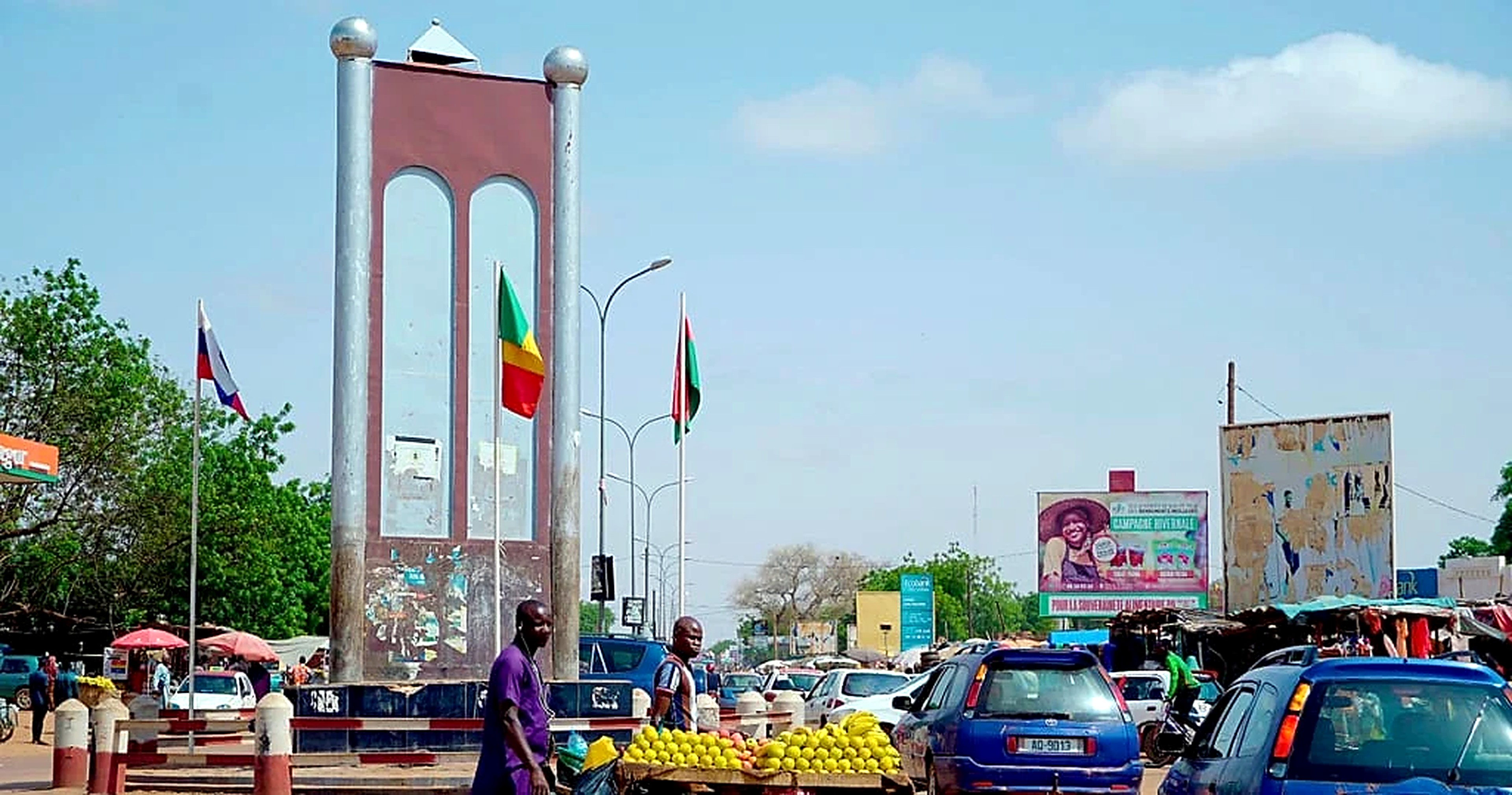
The dispute lands on one of the least patrolled stretches of the Sahara. Niger, Chad and Libya meet in a zone of smuggling routes, gold mines and armed groups, where the Salvador Corridor links southern Libya with northern Niger. Joint patrols between Niamey and N’Djamena have already faded, and a sovereignty row makes any restart harder.
The risk of proxy action is real but unproven. Each government accuses the other of hosting rebels. Analysts name Chadian groups such as the Front for Change and Concord in Chad (FACT) as possible tools for Niamey.
The bloc lines are also hardening. Niger, Mali and Burkina Faso form the Alliance of Sahel States (AES), backed by Russian forces and, since August, by Algerian air power. Chad is rebuilding ties with Paris. A drone strike with no named operator suits both sides’ narratives, which makes a neutral inquiry harder to organise.
Evidence, Referrals and the Tibesti Frontier
The next markers are whether Niamey publishes its evidence, whether the UN Security Council or the AU takes up the referral, and whether Chad and Niger reopen direct talks, which N’Djamena says it will accept if they rest on established facts. Until then, the strike near Emi Lulu stands as an accusation without a confirmed operator, in a border zone where both governments, their foreign partners and a range of armed groups all operate.