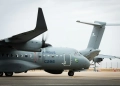

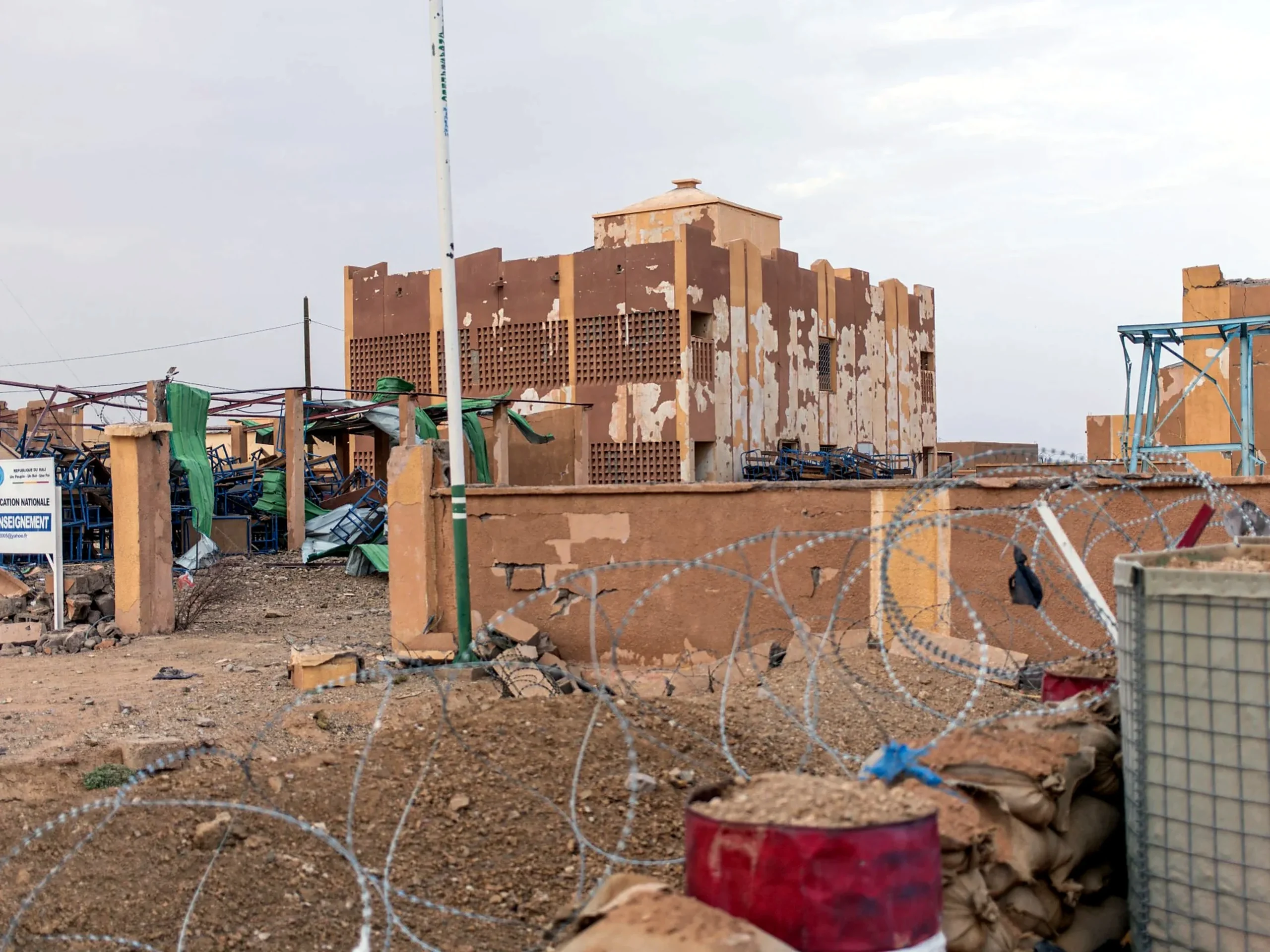
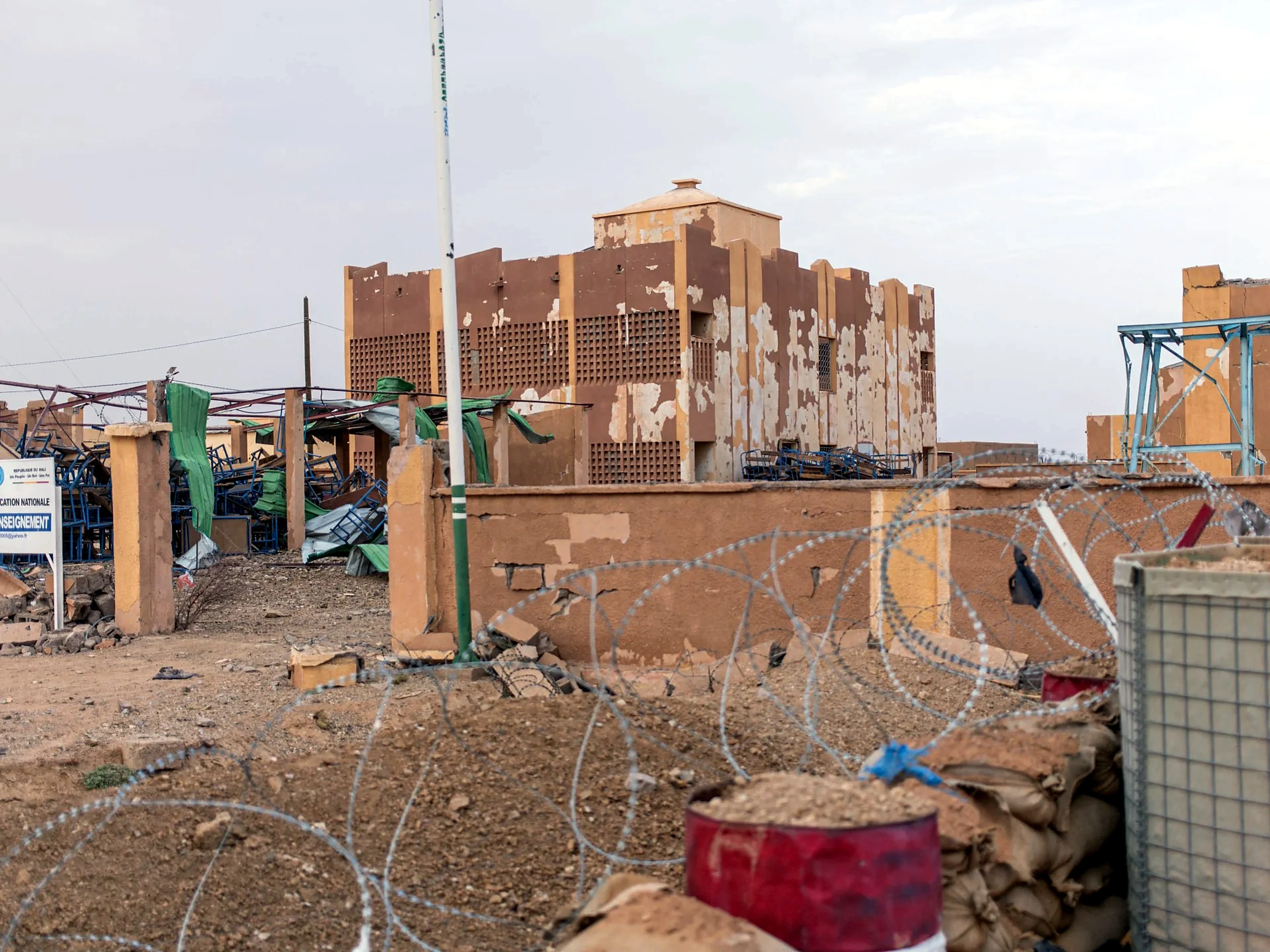
On October 6, 2026, a Malian and Russian convoy, supported by auxiliary state-backed forces, retook control of Kidal, the regional capital, from Jama’at Nusrat al-Islam wal-Muslimin (JNIM) and the Azawad Liberation Front (FLA). The junta seized Kidal with no resistance as both JNIM and the FLA strategically avoided confrontation. The operation, part of Operation Dougoukoloko, advances a larger objective to reassert state authority across northern Mali.
The junta’s seizure of Kidal was precipitated by a build-up of personnel and equipment across the region. Malian media reported that on October 3-4, 2026, convoys of more than 200 and 80 vehicles departing from Gao and Bourem reached Anefis and Aguelhok, respectively. The Algerian government may have supported the junta’s offensive, in line with Algerian efforts to more directly involve itself in Sahelian stability.
The junta’s seizure of Kidal reversed a major symbolic gain for the JNIM-FLA coalition. The coalition had seized the city as part of its nationwide April 25 offensive that captured Kidal, forced the junta to vacate key military installations across the north, and killed the Malian defense minister, Sadio Camara.
The Strategic Value
The junta’s seizure of Kidal, though a symbolic victory, is merely the first step toward reasserting state authority across Kidal region. Successfully asserting state authority will require the junta to hold key military installations across the region, notably Tessalit and Tinzaouaten. Holding these locations would bolster the junta’s access to remote areas, secure supply lines through the north, and enable the state to improve its force projection. Achieving these objectives, though not a comprehensive solution, will improve the junta’s positioning and leverage.
The first of these two locations, Tessalit, sits along the RN19, one of the few national highways in Kidal region, and is 98 miles from the Algerian border. Meanwhile, Tinzaouaten sits about 130 miles east of Tessalit squarely on the Malian-Algerian border. The Malian-Algerian borderlands have traditionally served as key rear-support zones for Malian insurgents. Both groups have exploited the porous border to extort and participate in cross-border Saharan illicit networks, sustain logistical operations, and avoid state pressure. Thus, Malian control of both Tinzaouaten and Tessalit, positioned in proximity to the Algerian border, could enable the junta to better constrain and disrupt these zones.
Control of Kidal, geographically the gateway to the region, provides an operational hub from which the junta could pursue further operations into the region. The city hosts sizable military infrastructure, including an airstrip, and sits in proximity to both the RN18 and RN19, two highways stretching deep into Kidal and linking the region to southern Mali, the epicenter of government power. Government control of Kidal allows the junta to begin reclaiming key military installations. The junta previously re-operationalized forward operating bases in the region to hold contested positions during the government’s 2023 offensive into Kidal.
The junta, leveraging the strategic positioning of Kidal and Aguelhok, may next target Tessalit, situated about 50 miles from Aguelhok and 125 miles from Kidal. The deployment of nearly 300 vehicles to Anefis, Kidal, and Aguelhok increases the junta’s immediate operational capabilities in the north. Furthermore, reports that JNIM repositioned fighters from Kidal to reinforce ongoing fighting with the Islamic State Sahel Province (ISSP) from around October 9 to 13, could have created a vacuum for the junta to exploit.
Though Tinzaouaten is more strategically important than Tessalit to degrading both JNIM and the FLA and their logistical networks, Tessalit is more immediately important. The geographic remoteness of Tinzaouaten obstructs the junta from taking the city without a forward operating base. Control of Tessalit would improve the junta’s proximity and supply lines, making Tinzaouaten a feasible reality, however. The junta’s last attempt to seize Tinzaouaten in July 2024 also launched from Tessalit, though the convoy ultimately failed to take the city. The retreating convoy also faced ambushes, resulting in up to 84 Russian fatalities, according to rebel claims, underscoring the dangers of Tinzaouaten’s remoteness. Future attempts on Tinzaouaten will also face similar resistance that increases in proximity to the city.
The junta could alternatively attempt to use Abeïbara, a strategic town on the route between Kidal and Tinzaouaten. The town would provide the junta more direct access to Tinzaouaten. The junta conducted extensive clearing operations around the town prior to the aforementioned 2024 offensive.
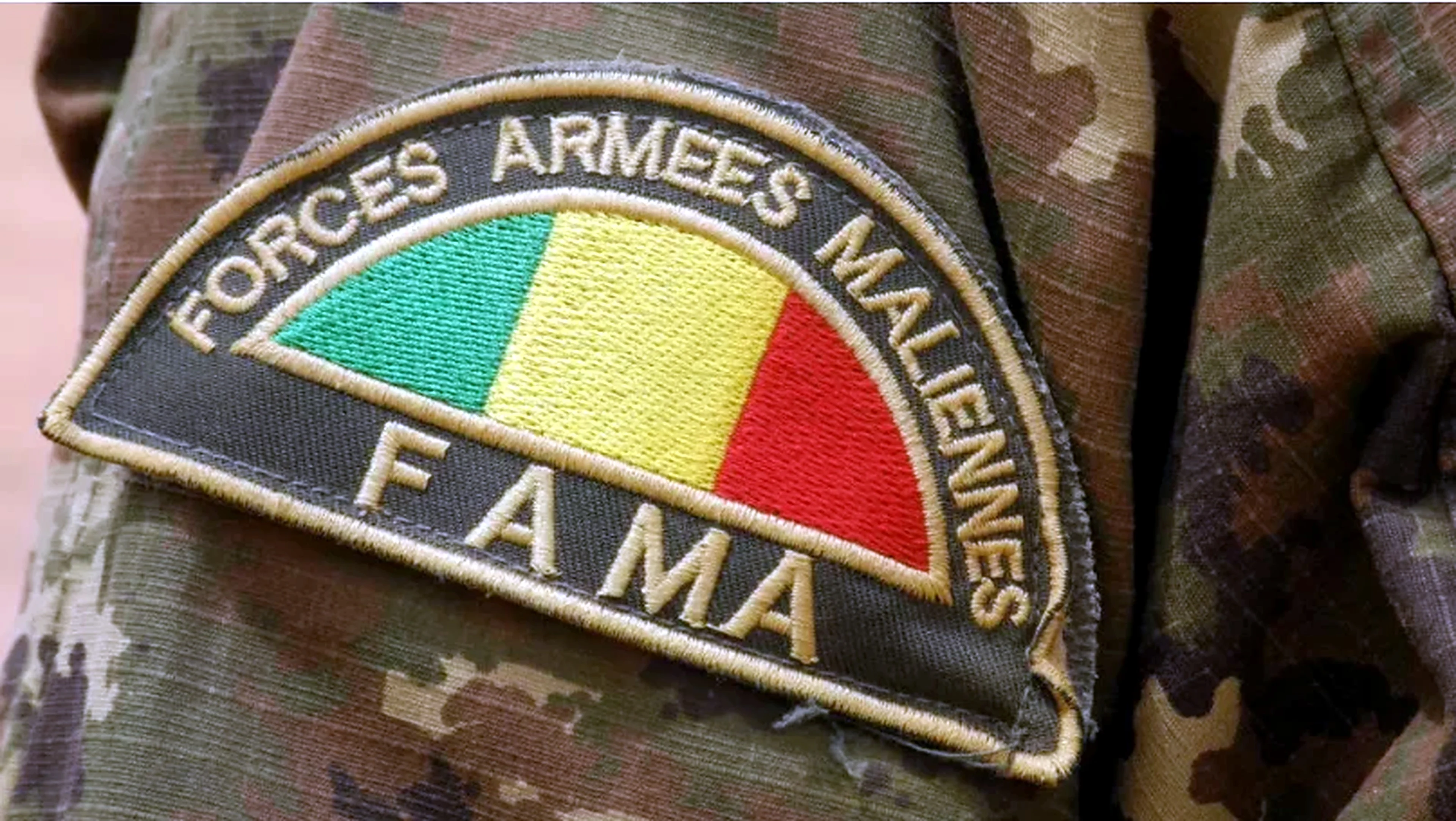
Alongside its operational significance, the junta’s seizure of Kidal holds value to its credibility. Since assuming power, the Malian junta has framed the restoration of state authority in northern Mali as a core component of its sovereigntist rhetoric and justification for seizing power.
The Strategic Reality
The junta’s seizure of Kidal, though notable, by itself does little to change the realities of Mali’s security landscape, underscored by the groups’ decision to abandon the city. The FLA’s decision to abandon Kidal, its traditional seat of power, may reflect a calculus that the junta is unable to hold Kidal or re-impose state authority across the region. A withdrawal thus preserves its capabilities to later recapture the city. The junta’s persistent struggles to govern remote spaces, lacking both the manpower and willpower, underpin this belief. The FLA’s calculus is reinforced by its recognition of the growing constraint the junta faces as JNIM’s insurgency shifts south, away from Kidal.
JNIM’s decision to avoid confrontation likely reflects a shift in the group’s epicenter. JNIM’s insurgency has historically originated in northern Mali; however, this zone has increasingly become a logistical and support zone enabling a push into the resource-rich regions of central and southern Mali that also serve as the government’s seat of power. This shift is underscored by JNIM’s efforts to consolidate control over central Mali via the degradation of state-aligned forces and aerial assets, notably the Dioura attack that reportedly killed and captured more than 100 soldiers and the attack on the Sévaré airbase, and the group’s efforts to further embed itself in artisanal gold mining in southern Mali.
The shift in JNIM’s insurgency underscores both the group’s influence in northern Mali and the confidence it has around it. Unlike in central and southern Mali, where both rural and urban populations resist JNIM’s influence, the group has enmeshed itself in northern Mali’s rural landscape, where its ally the FLA claims to control 80 percent of the Kidal region. This, when considered alongside the fact that the group’s logistical and support networks run through rural Kidal, suggests that the loss of Kidal city poses limited operational risks to the group’s support networks.